
Transform your living space with the magic of creative wall lighting. This article explores a range of innovative ideas to achieve the perfect ambient glow in your home. We delve into various lighting solutions, from subtle LED strips to dramatic statement fixtures, showcasing how strategic placement can dramatically enhance the atmosphere and aesthetic appeal of any room. Discover how to harness the power of light to create a warm, inviting, and uniquely personalized environment with our curated selection of wall lighting ideas.
Whether you’re aiming for a modern minimalist look, a cozy rustic feel, or a sophisticated contemporary ambiance, our guide offers inspiration for all styles. Learn about different light types and installation techniques to help you choose the best wall lighting to complement your existing décor and achieve that sought-after ambient glow. From enhancing architectural details to highlighting artwork, we’ll show you how to use creative wall lighting to create a truly captivating space.
The Impact of Ambient Wall Lighting
Ambient wall lighting plays a crucial role in shaping the atmosphere and functionality of a space. It provides a soft, diffused illumination that enhances the overall ambiance, unlike harsh, direct lighting. Effective ambient lighting can create a sense of calm and relaxation, while poorly implemented lighting can lead to a stark and uninviting environment. The choice of light color temperature and intensity greatly impacts the mood and usability of a room.
Careful consideration should be given to the placement and type of fixtures used for ambient wall lighting. Factors such as the room’s size, intended use, and desired aesthetic should all inform design decisions. Options range from recessed lighting to wall sconces and LED strips, each offering a unique visual effect and level of control. Ultimately, successful ambient wall lighting contributes to both the visual appeal and the overall comfort and functionality of any interior space.
Understanding Different Light Temperatures
Light temperature, measured in Kelvin (K), describes the color appearance of a light source. Lower Kelvin values (e.g., 2700K) indicate a warmer, more yellowish light, often associated with incandescent bulbs. Higher Kelvin values (e.g., 6500K) represent cooler, bluer light, typical of daylight. The color temperature significantly impacts the mood and atmosphere of a space.
Choosing the right light temperature depends on the intended use. Warmer temperatures are often preferred in living areas for a relaxing ambiance, while cooler temperatures are suitable for task-oriented spaces like kitchens or offices to enhance focus and clarity. Understanding these differences allows for optimal lighting design that enhances functionality and aesthetics.
Sconces That Double as Art
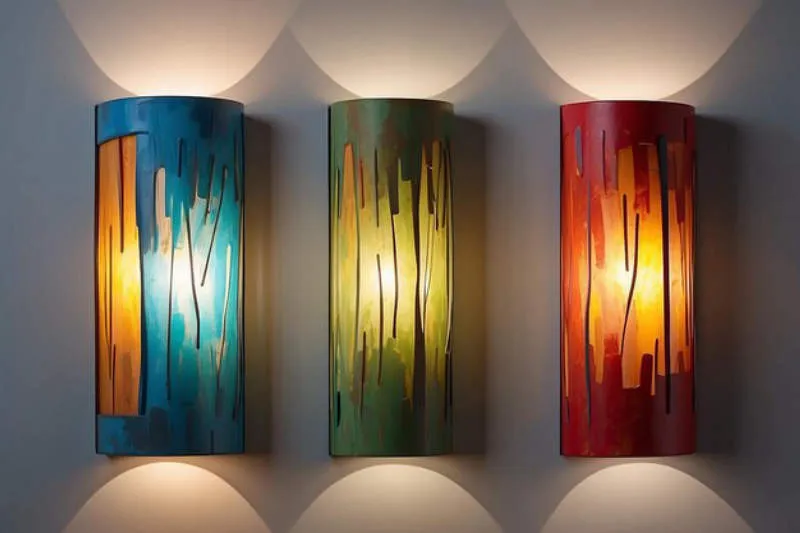
Sconces are no longer just functional lighting; they’ve evolved into stunning decorative elements. Many modern sconces boast unique designs and materials, transforming a simple light fixture into a beautiful focal point in any room. From minimalist designs to intricate sculptures, the possibilities are endless.
Consider the style and material of your sconce carefully to complement your existing décor. Factors like size, placement, and the type of light emitted should all be weighed for optimal impact and functionality. Choose a sconce that elevates your space and reflects your personal aesthetic.
LED Strip Designs for Mood

LED strip lights offer a versatile and affordable way to transform the ambiance of any space. Their adaptability allows for creative designs to suit various moods, from calming and relaxing atmospheres achieved with soft, warm white hues, to energetic and vibrant settings using colorful, dynamic lighting schemes. Consider placement strategically – behind furniture, under cabinets, or along walls – to maximize the impact.
Different lighting effects, easily controlled via apps or remote controls, further enhance mood setting. Options range from solid colors to color-changing sequences and even music synchronization. Experiment with placement and color combinations to create the perfect atmosphere, whether it’s a cozy movie night or a lively party.
Backlit Panels and Frames
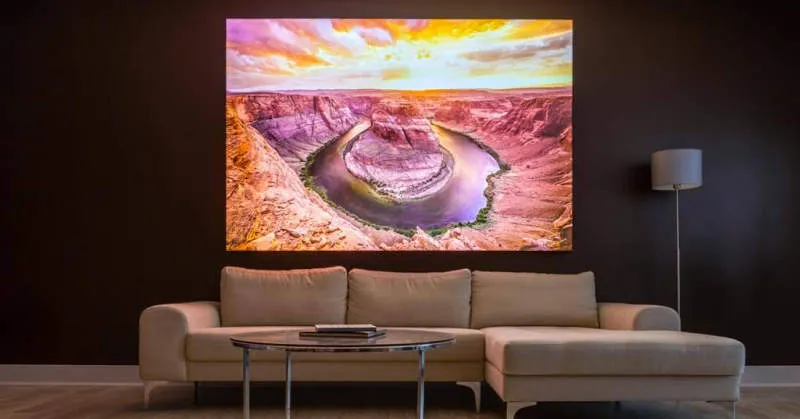
Backlit panels and frames are used to illuminate signs, displays, and artwork from behind. They offer a sleek, modern look and provide even, bright illumination. Common applications include interior signage, menu boards, and decorative displays. LED technology is frequently used for its energy efficiency and long lifespan.
The design incorporates a light source, usually LEDs, placed behind a translucent panel or within a frame. This creates a soft, diffused glow, eliminating harsh shadows. Different panel materials, such as acrylic or polycarbonate, offer various levels of light diffusion and durability. The choice depends on the application’s specific requirements and desired aesthetic.
Pendant Wall Fixtures
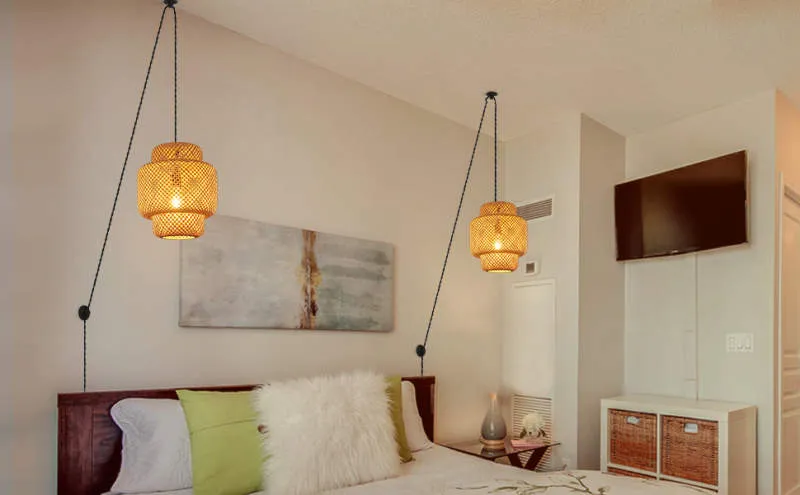
Pendant wall fixtures offer a stylish and functional lighting solution for various spaces. Unlike traditional pendant lights that hang from the ceiling, these fixtures mount directly to the wall, providing a unique design element and saving space. They are available in a wide array of styles, from modern and minimalist to traditional and ornate, allowing for seamless integration into any interior design.
These fixtures are ideal for highlighting specific areas, such as artwork or a reading nook, or for providing ambient lighting in hallways or smaller rooms. Their versatility in design and functionality makes them a popular choice for both residential and commercial settings. Consider factors like size, style, and bulb type when selecting a pendant wall fixture to ensure it complements your existing décor and meets your lighting needs.
Lighting as Focal Decor
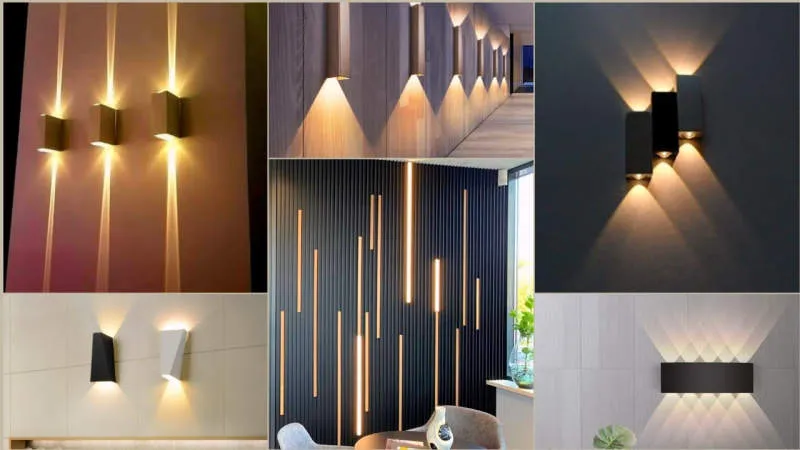
Lighting is more than just illumination; it’s a powerful design element. Strategically placed lamps, chandeliers, or even string lights can instantly elevate a room’s aesthetic. Consider the style, size, and placement of your lighting fixtures to create a captivating focal point that complements your existing décor. Different types of lighting, from ambient to accent lighting, offer versatility in shaping the mood and highlighting specific features.
Beyond simple functionality, lighting choices dramatically impact the overall atmosphere. A bold statement chandelier can draw the eye and become a room’s centerpiece, while carefully positioned task lighting can enhance functionality and create visual interest. Think about using color temperature and intensity to tailor the lighting to the desired mood, be it warm and inviting or sleek and modern. The right lighting can transform a space from ordinary to extraordinary.
Where to Place Wall Lights Effectively

Effective wall light placement enhances both aesthetics and functionality. Consider the room’s purpose: in a living room, flank a fireplace or sofa for ambient lighting. In hallways, strategically placed lights provide adequate illumination and prevent shadows. Bedrooms benefit from lights near the bed for reading, while kitchens require task lighting above countertops or sinks. Always ensure proper height and distance from obstacles for optimal lighting and safety.
Height is crucial; lights should be placed at eye level or slightly higher for comfortable illumination. The distance between lights depends on room size and desired brightness; closer placement provides brighter, more focused light, whereas spaced-out lights create a softer ambiance. Remember to consider the type of light fixture; some designs cast light upward, downward, or both, influencing placement decisions.
