
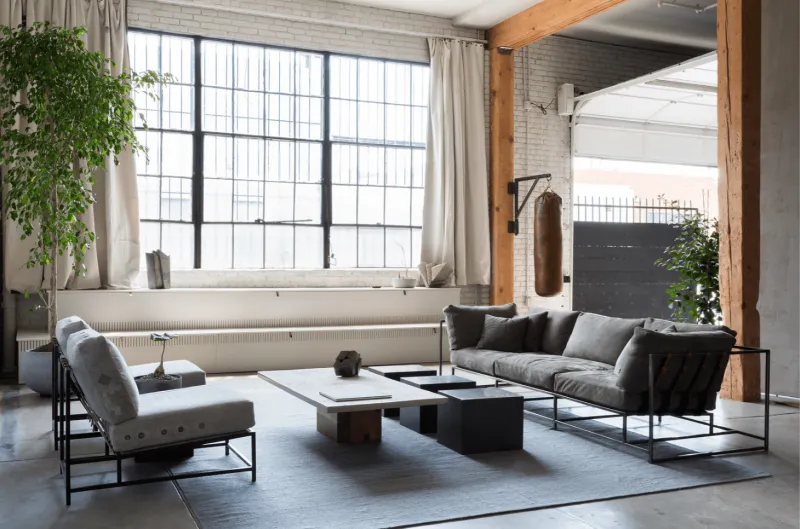
Embrace the captivating allure of a soft industrial home aesthetic, a design style that masterfully blends urban grit with refined comfort. This unique approach seamlessly integrates raw, industrial elements – think exposed brick, metallic accents, and sleek lines – with softer, more inviting textures and palettes. Discover how to create a space that exudes urban charm while maintaining a cozy and welcoming atmosphere perfect for modern living. Learn to balance the contrasting elements to achieve a sophisticated and stylish interior that reflects your individual taste.
This guide delves into the key components of achieving a successful soft industrial design for your urban home. We’ll explore the best materials, color palettes, and furniture choices to incorporate the industrial aesthetic without sacrificing warmth and personality. From selecting the perfect lighting to strategically placing accent pieces, we’ll equip you with the knowledge and inspiration to transform your space into a haven that showcases the best of both worlds: the raw energy of the city and the soothing embrace of home. Prepare to discover the magic of blending urban style with a touch of gentle refinement.
Blending Industrial and Soft Elements
The juxtaposition of industrial and soft design elements creates a unique and compelling aesthetic. Industrial styles, characterized by raw materials like metal and concrete, exposed brick, and a utilitarian feel, are balanced by the introduction of soft elements such as plush textiles, warm lighting, and natural materials like wood. This contrast generates a space that is both visually striking and surprisingly comfortable.
Successfully blending these styles requires careful consideration of texture and color. The roughness of industrial components can be softened with the introduction of cozy fabrics and muted tones. A strategic use of lighting is crucial; warm, ambient lighting can humanize the coldness often associated with industrial spaces. The key is to maintain a sense of balance, preventing either style from overwhelming the other.
How to Avoid a Cold Look
Projecting warmth and approachability is crucial for positive interactions. To avoid appearing cold, focus on your body language. Maintain open posture, avoiding crossed arms or legs. A genuine smile and consistent eye contact (without staring) convey friendliness. Consider your facial expressions; a relaxed brow and slightly upturned mouth contribute to a welcoming appearance.
Beyond body language, active listening and warm vocal tone play significant roles. Engage actively in conversations, showing genuine interest in what others say. A friendly greeting and appropriate personal space further enhance your approachable demeanor. These simple adjustments can make a significant difference in how others perceive you.
Exposed Brick and Pipes Done Right
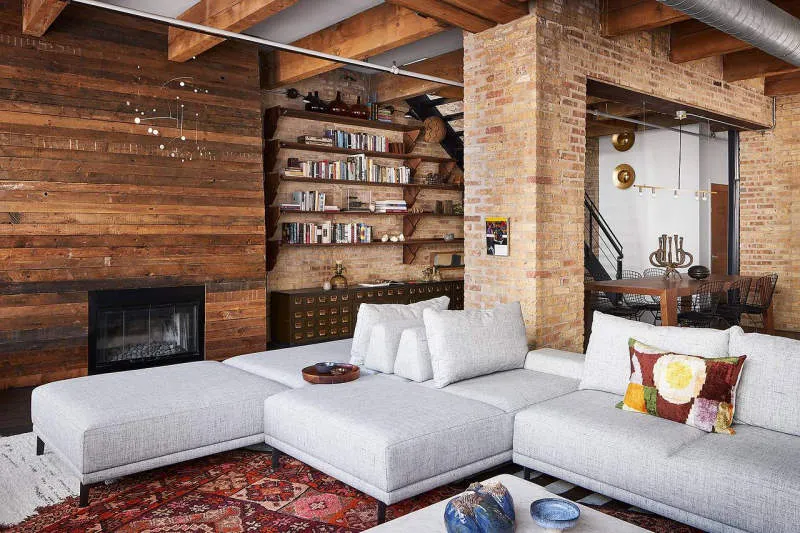
Exposed brick and industrial piping are popular design elements, adding character and a touch of rustic charm to a space. However, achieving a polished look requires careful planning and execution. Careful selection of brick, appropriate surface treatment (cleaning, sealing), and thoughtful pipework placement are key to avoiding a messy or unfinished appearance.
To ensure a successful outcome, consider consulting with a professional designer or contractor. They can help you choose the right materials, plan the layout effectively, and execute the installation flawlessly, resulting in a beautifully integrated and visually appealing design.
Mixing Metal with Warm Textiles
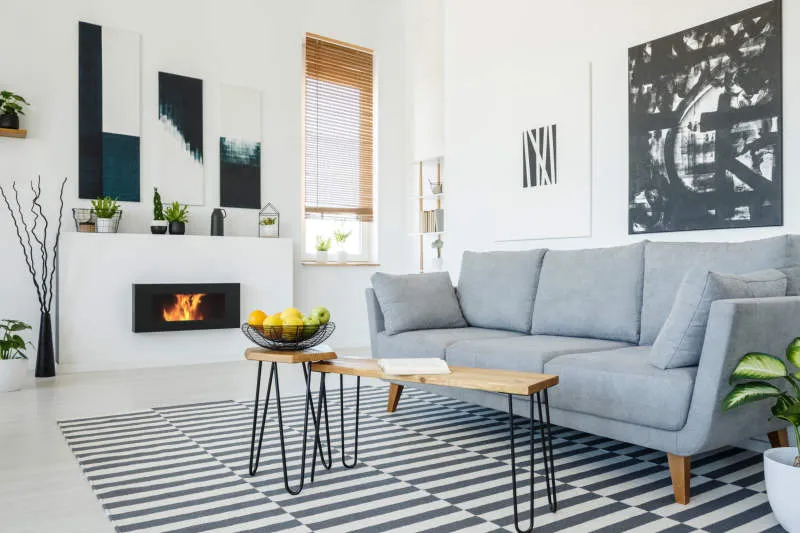
The juxtaposition of cold, hard metals with soft, warm textiles creates a striking design contrast. This combination offers a unique aesthetic, balancing industrial elements with cozy textures. Think sleek, metallic accents like brass or steel paired with plush velvet, chunky knits, or soft furs for a sophisticated and inviting feel. The resulting effect is both modern and comforting.
Successfully merging these opposing materials requires careful consideration of proportion and color palette. Too much metal can feel sterile, while an overabundance of textiles might appear cluttered. A harmonious balance, perhaps incorporating a neutral color scheme, will ensure a polished and well-integrated design.
Lighting Choices for Softness
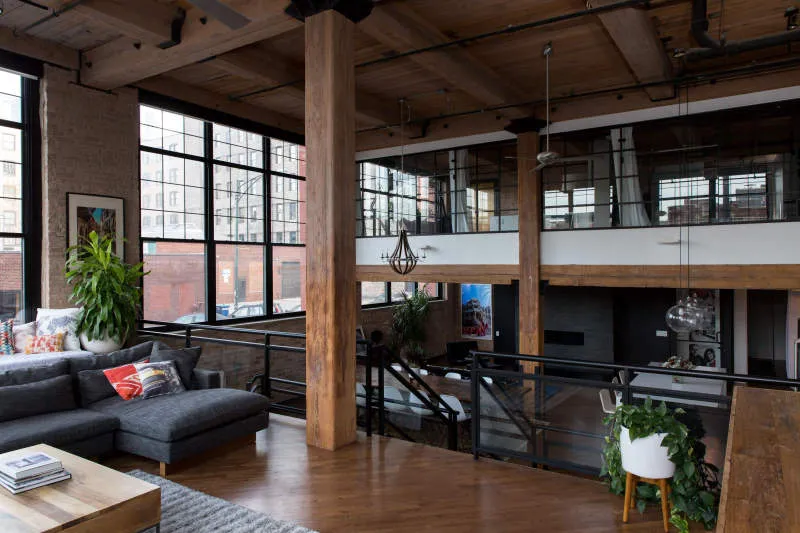
Achieving soft lighting involves selecting the right light sources and modifiers. Diffused light, whether from softboxes, umbrellas, or sheer fabrics, is key to minimizing harsh shadows. Consider the color temperature of your light source; warmer tones often create a softer, more inviting feel.
Placement is crucial. Position your lights to avoid direct, strong beams. Instead, aim for indirect lighting bouncing off walls or ceilings to create a more even and gentle illumination. Experiment with multiple light sources for a balanced, soft effect.
Creating Zones in Open Layouts
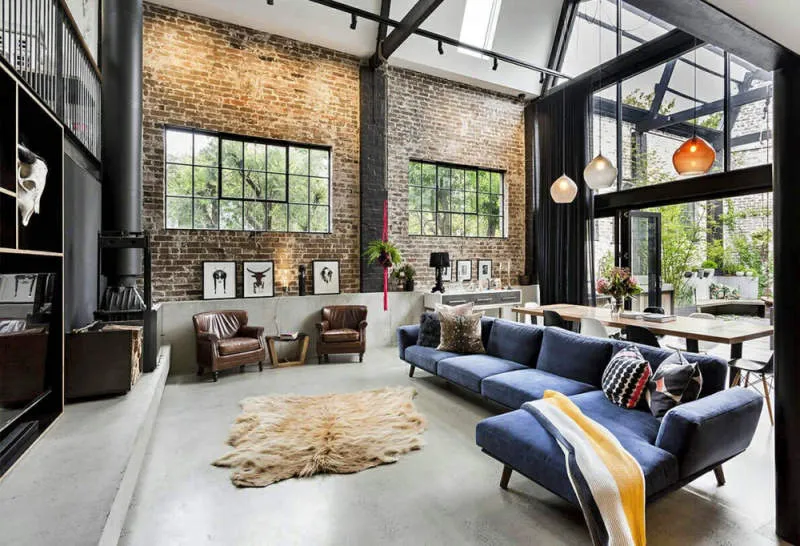
Open floor plans offer flexibility, but can feel chaotic without defined zones. Creating distinct areas for different activities is key to maximizing an open layout’s potential. Use furniture arrangement, such as placing a sofa to define a living room area, or a dining table to delineate a dining space. Rugs, lighting, and accent pieces can also help visually separate zones, creating a sense of purpose and flow within the overall space.
Consider the functionality of each zone when designing. A quiet reading nook could be created with a comfortable chair and good lighting, separate from the busier family or entertainment area. Remember to maintain a sense of connectivity between zones; don’t make them feel too isolated. The goal is to create distinct yet cohesive spaces that work together harmoniously.
Urban Furniture with Comfort
Urban furniture needs to be both durable and comfortable. Materials should withstand harsh weather conditions and heavy use, while design elements prioritize ease of use and seating comfort. Think sturdy materials like powder-coated steel or recycled plastic for frames, combined with weather-resistant cushions or comfortable, yet easily cleaned, surfaces.
Functionality is key. Consider pieces that serve multiple purposes, such as benches that double as planters or tables with built-in waste receptacles. Aesthetics matter too; the furniture should complement the urban environment while providing attractive and inviting spaces for people to relax and socialize.
