
Transform your living space with the magic of wall mirror decoration. Mirrors aren’t just functional; they’re powerful interior design tools capable of dramatically altering the perception of a room’s size, light, and style. Whether you’re seeking a modern minimalist aesthetic or a more opulent, maximalist look, strategically placed mirrors can elevate any room. This guide explores diverse wall mirror ideas, offering inspiration for every interior style and room in your home, from the bedroom to the bathroom and beyond. Discover how to use mirrors to create stunning focal points, enhance natural light, and maximize the visual appeal of your space.
From large statement mirrors that command attention to a gallery wall of smaller, uniquely framed mirrors, the possibilities are endless. We’ll delve into various mirror shapes, sizes, and styles, providing practical advice on choosing the right mirror for your needs. Learn how to incorporate decorative mirrors into existing décor, considering factors like room size, lighting, and existing color palettes. This article will serve as your comprehensive resource for incorporating the transformative power of mirrors into your home decor, allowing you to create a space that is both stylish and functional.
Why Mirrors Are Powerful Decor Tools
Mirrors are incredibly versatile decor tools that can dramatically transform a space. They offer a multitude of benefits, including enhancing the sense of space in smaller rooms by creating the illusion of more area. Strategic mirror placement can also maximize natural light, brightening and warming a room. Furthermore, mirrors serve as excellent focal points, drawing the eye and adding a touch of elegance or modern flair depending on their style and frame.
Beyond their functional advantages, mirrors offer significant aesthetic appeal. They can complement various design styles, from minimalist to traditional, and can be used to create a cohesive look by reflecting existing decor elements. The reflective surface itself introduces a dynamic element, adding depth and visual interest. Careful consideration of size, shape, and frame will ensure the mirror seamlessly integrates into your existing decor scheme while adding sophistication and personality.
Placement Techniques for Best Reflection
Optimal reflection relies heavily on placement. For mirror reflections, position the object strategically in relation to the reflective surface to achieve the desired effect. Consider the angle of incidence; the angle at which light strikes the surface equals the angle at which it reflects. Experiment with different distances and angles to find the most pleasing reflection. Lighting plays a crucial role; brighter light sources enhance the reflection’s visibility.
Beyond mirrors, reflective surfaces like water or polished metal also require careful positioning. The surface’s smoothness directly impacts reflection quality; a smoother surface yields a clearer reflection. Account for environmental factors like ambient light and vibrations which can distort the reflection. Experimentation and observation are key to mastering optimal reflection placement in any context.
Framed Statement Mirrors

Framed statement mirrors are decorative mirrors with elaborate frames, serving as both functional and artistic pieces. They add a touch of elegance and personality to any room, acting as focal points that can dramatically impact a space’s overall aesthetic.
The style of frame significantly affects the mirror’s impact. Options range from ornate gold frames for a classic, luxurious feel to minimalist modern designs for a contemporary look. Consider the existing décor when choosing a frame to ensure harmonious integration. A well-chosen framed statement mirror can instantly elevate the style of a room.
Mirrored Panels for Illusion of Space
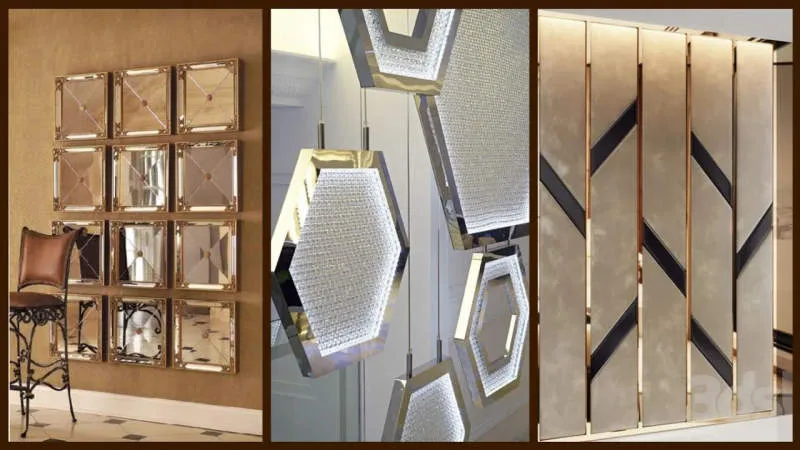
Mirrored panels are a simple yet effective way to create the illusion of more space in a room. By strategically placing mirrors on a wall, particularly opposite a window or light source, you can significantly enhance the perceived size and brightness of the area. This is achieved because the mirror reflects light and the room’s existing features, effectively doubling the visual space.
The effectiveness depends on the size and placement of the mirrors. Larger mirrors have a greater impact, while careful positioning – considering existing furniture and light sources – is crucial to maximize the reflective effect and avoid unwanted distortions. Consider using multiple smaller mirrors to achieve a similar effect in areas where a large single mirror may not be practical.
Using Mirrors as Art
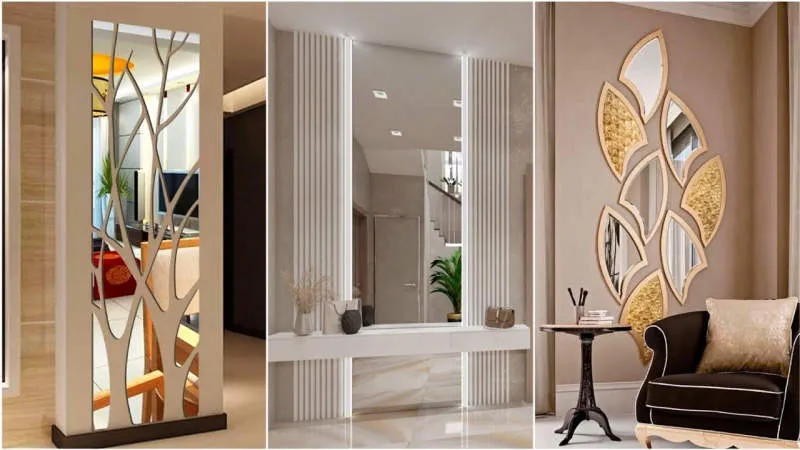
Mirrors, beyond their practical function, offer a unique artistic medium. Their reflective surfaces can be incorporated into installations to create intriguing visual effects, playing with light and space. Shapes, sizes, and arrangements of mirrors are key factors in determining the overall aesthetic impact, from sleek, minimalist designs to complex, kaleidoscopic creations. Framing and the materials used further enhance the artistic expression.
Artists utilize mirrors to explore themes of perception, reality, and illusion. The reflections they produce can be manipulated to distort or enhance the surrounding environment, leading to captivating and thought-provoking pieces. The reflective quality itself becomes a fundamental aspect of the artwork’s meaning and interaction with the viewer. Placement and lighting are crucial in maximizing the artistic potential of the mirror.
Grouped Mirror Layouts
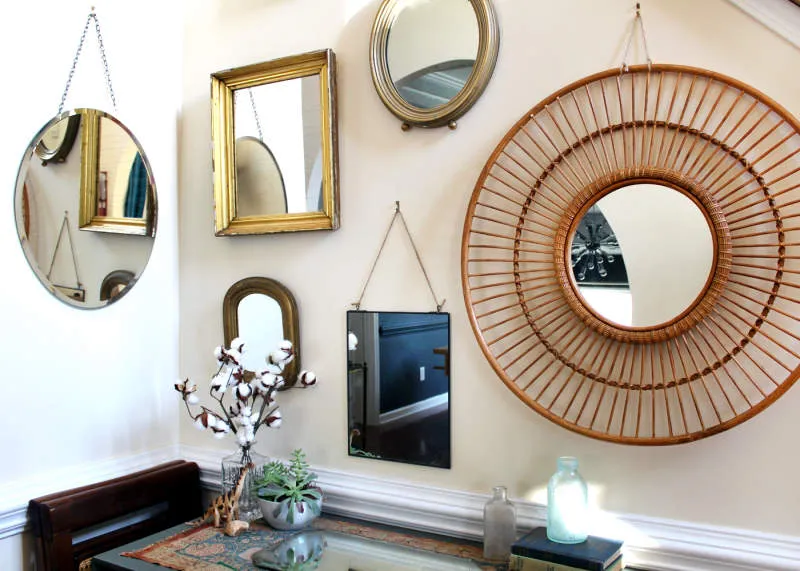
Grouped mirror layouts involve arranging multiple mirrors together to create a cohesive and visually impactful design. This can range from simple pairings to complex, multi-faceted arrangements, offering versatility for various spaces and aesthetics. Consideration should be given to mirror size, shape, and frame style to achieve the desired look.
The effect of grouped mirrors is often to enhance the sense of space and light within a room. Strategic placement can also be used to highlight architectural features or create a dramatic focal point. Different grouping styles, from symmetrical to asymmetrical, can drastically alter the overall mood and feel of the space.
Decorative Mirror Shapes to Explore

Beyond the standard rectangular and round options, a world of decorative mirror shapes awaits! Consider a sunburst mirror for a dramatic, vintage feel, or a geometric mirror (hexagon, octagon, etc.) for a modern and stylish statement. Oval mirrors offer a classic elegance, while arch mirrors bring a touch of sophistication and can visually expand a space. Irregular shapes, such as freeform or abstract designs, add unique personality and visual interest.
The shape of your mirror significantly impacts the overall aesthetic of a room. When choosing, consider your existing décor and desired style. A large statement mirror can be a focal point, while smaller mirrors can be grouped together for a dynamic effect. Think about the frame as well—a simple frame will highlight the mirror’s shape, while an ornate frame will add extra visual flair.
How to Pair Mirrors with Lighting

Pairing mirrors and lighting effectively enhances both form and function. Consider the size and shape of your mirror when choosing a light fixture. A large, ornate mirror might pair well with a statement chandelier, while a smaller, simpler mirror could benefit from sleek sconces or a vanity light. Lighting placement is key; avoid harsh shadows by positioning lights strategically – above, to the sides, or even integrated into the mirror frame.
The type of lighting also matters. Ambient lighting creates a general glow, while task lighting provides focused illumination ideal for makeup application or shaving. Accent lighting highlights the mirror and its surroundings. By thoughtfully combining these lighting types and considering the style of your space, you can achieve a well-lit and aesthetically pleasing outcome.
