
Achieving the perfect ambiance in your bedroom is crucial for a restful night’s sleep. Cozy bedroom lighting plays a pivotal role in setting the mood, promoting relaxation, and improving the quality of your sleep. This article explores a range of lighting ideas designed to transform your bedroom into a haven of tranquility, helping you drift off to sleep easily and wake up feeling refreshed. We’ll delve into the science behind sleep and lighting, as well as providing practical and stylish bedroom lighting solutions for your individual needs and preferences.
From the subtle glow of dimmable bedside lamps to the warm embrace of ambient lighting, we’ll guide you through various options to create the ideal sleep environment. We’ll discuss the benefits of soft, warm light versus harsh, blue light, and how to effectively incorporate natural light during the day and minimize its disruptive effects at night. Learn how to strategically use lighting fixtures and smart lighting technology to curate a personalized sleep sanctuary, maximizing your comfort and enhancing your overall sleep hygiene. Discover how the right cozy bedroom lighting can make a significant difference in the quality of your sleep.
The Science of Lighting and Sleep
Our bodies maintain a natural sleep-wake cycle, or circadian rhythm, regulated largely by light exposure. Light, particularly blue light emitted from electronic devices, suppresses the production of melatonin, a hormone crucial for sleep onset. Exposure to bright light during the day helps synchronize the circadian rhythm, promoting healthy sleep patterns. Conversely, exposure to light at night can disrupt this cycle, leading to insomnia and other sleep disorders.
Effective sleep hygiene involves minimizing light exposure in the hours leading up to bedtime. This includes dimming the lights in your home, using blue light-filtering glasses, and avoiding screens. Optimizing your daily light exposure—getting sufficient sunlight during the day—can also significantly improve sleep quality. Understanding the impact of light on the body’s natural sleep mechanisms is key to achieving restful and restorative sleep.
Layering Lights for Mood Control
Layering lighting involves using a combination of ambient, task, and accent lighting to create a specific atmosphere and enhance functionality. Ambient lighting provides overall illumination, while task lighting focuses light on specific areas for activities like reading or cooking. Accent lighting highlights architectural features or artwork, adding depth and visual interest. By carefully combining these elements, you can adjust the mood of a space from bright and energizing to warm and relaxing.
The strategic layering of different light sources allows for greater control over the ambiance of a room. For instance, dimming ambient lighting while increasing the warmth of accent lighting can create a cozy atmosphere ideal for relaxation, whereas bright task lighting paired with strong ambient lighting can promote focus and productivity. Experimenting with different combinations of light sources and intensities enables customized lighting schemes for various moods and activities.
Bedside Lamps That Add Warmth
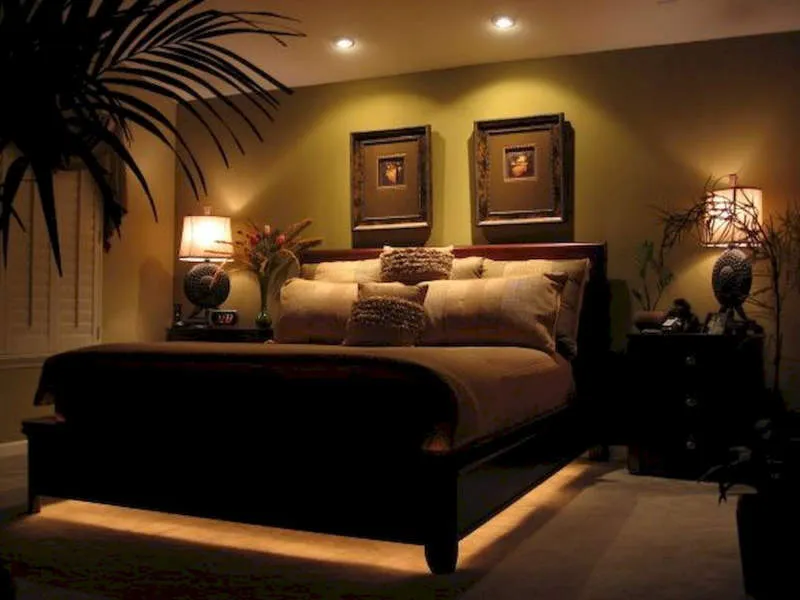
Choosing the right bedside lamp can significantly impact your bedroom’s ambiance. Warm-toned lighting, such as that emitted by incandescent bulbs or LED bulbs with a warm white color temperature (2700K-3000K), creates a cozy and relaxing atmosphere. Consider the size and style of the lamp to complement your existing décor, opting for materials like wood or fabric for a more inviting feel.
Beyond aesthetics, consider practical features. A dimmer switch allows for customized brightness levels, catering to your personal preference and enhancing relaxation. Look for lamps with stable bases and easy-to-use controls for convenient nighttime operation. The right bedside lamp elevates your sleep sanctuary, offering both functional illumination and a touch of warmth.
Wall Sconces for Space Saving
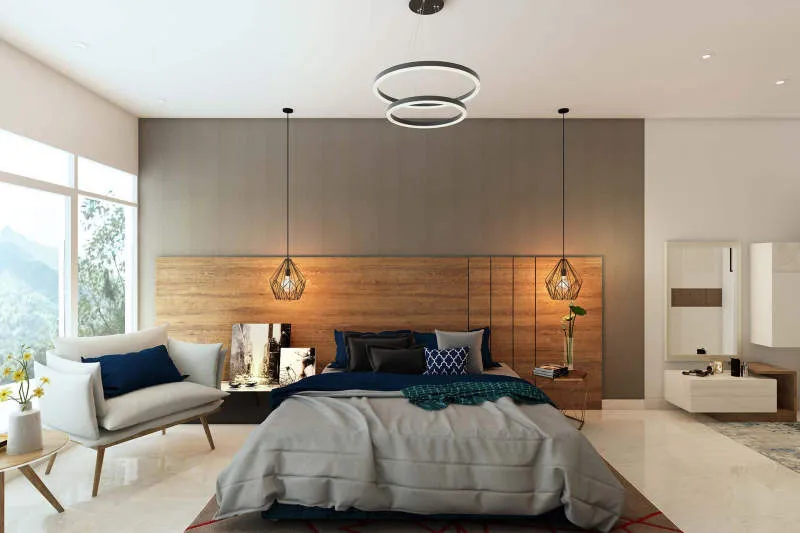
Wall sconces offer a stylish and practical solution for saving space in any room. Unlike floor or table lamps, they don’t require valuable surface area, keeping your floors and tables clutter-free. This makes them ideal for smaller spaces, hallways, or areas where space is at a premium.
They provide ambient lighting, enhancing the atmosphere and functionality of a room without taking up precious square footage. Consider the style and lighting needs of your space when choosing a sconce; a variety of designs and brightness levels are available to suit any interior.
Using Dimmers to Create Ambiance
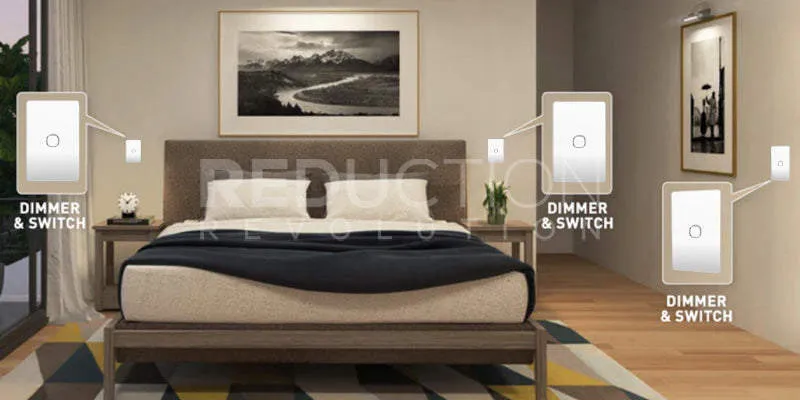
Dimmers are a simple yet effective way to dramatically alter the ambiance of a room. By controlling the brightness of your lights, you can instantly shift the mood from bright and energetic to warm and inviting, or even dramatic and mysterious. This level of control allows for personalized lighting schemes perfect for any occasion – from a relaxing evening at home to a sophisticated dinner party.
Installing dimmers is relatively straightforward and can be a worthwhile DIY project for many homeowners. They offer significant energy savings by reducing electricity consumption and extending the lifespan of your light bulbs. Consider the type of dimmer needed (e.g., incandescent, LED, CFL compatible) to ensure compatibility with your existing lighting fixtures.
Soft Light Bulbs to Choose
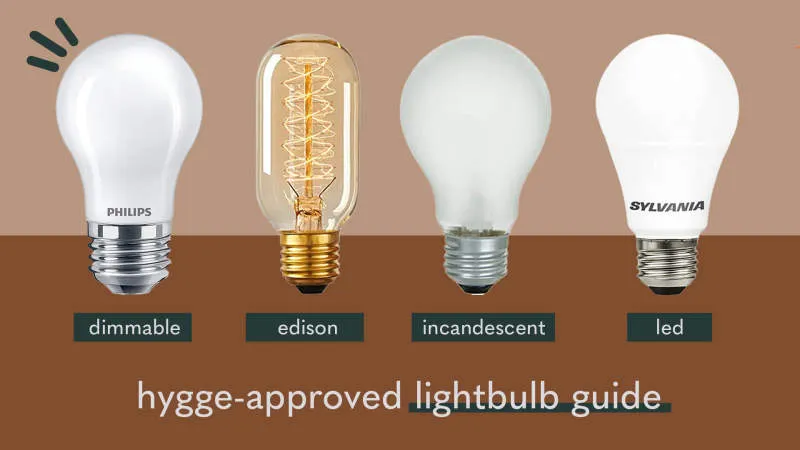
Choosing the right soft light bulb depends on your needs and preferences. Consider the color temperature, measured in Kelvin (K). Lower Kelvin values (2700K-3000K) produce a warmer, more relaxing yellowish light, ideal for bedrooms and living rooms. Higher Kelvin values (around 4000K) offer a cooler, brighter white light suitable for kitchens and bathrooms. Also, think about the brightness, measured in lumens (lm); higher lumens mean brighter light.
Beyond Kelvin and lumens, look for bulbs with a high Color Rendering Index (CRI). A higher CRI (above 80) ensures colors appear more natural and accurate under the light. LED bulbs are a popular and energy-efficient choice, offering long lifespan and various color temperature options. Finally, consider the bulb shape and size to fit your existing fixtures.
Lighting Layout Tips to Try
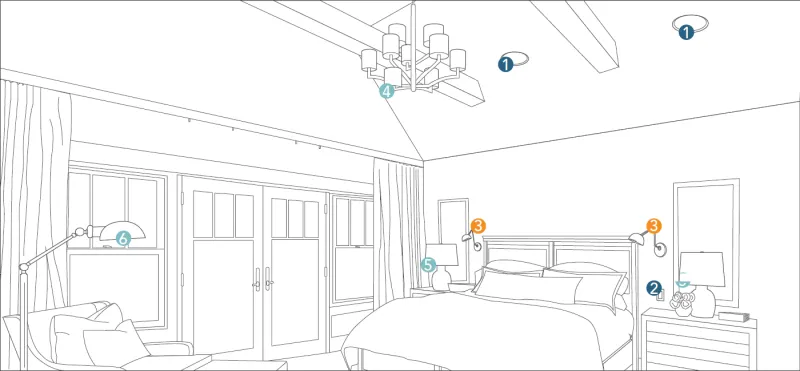
Effective lighting involves a layered approach. Start with ambient lighting (overhead fixtures) for overall illumination. Then, add task lighting (desk lamps, pendants) for focused light on specific areas like reading or cooking. Finally, incorporate accent lighting (track lighting, spotlights) to highlight architectural details or artwork. This layered system prevents harsh shadows and creates a more comfortable and visually appealing space.
Consider the size and shape of your room when planning. In larger rooms, multiple light sources are necessary to avoid dark corners. For smaller spaces, a well-placed single fixture combined with strategically positioned lamps can be sufficient. Remember to choose fixtures that complement your interior design style and consider the color temperature of the bulbs to set the desired mood (warm, cool, or neutral).
