
Embark on a journey to revitalize your living space with our comprehensive guide on Mid-Century Modern living room makeover ideas. This style, characterized by its clean lines, organic shapes, and a focus on functionality, offers a timeless appeal that transcends fleeting trends. We’ll explore how to seamlessly blend iconic mid-century furniture with contemporary elements, creating a sophisticated and inviting atmosphere that reflects your personal style. Discover inspiring design choices for mid-century modern sofas, armchairs, and coffee tables, along with essential tips on color palettes, lighting, and accessories to achieve the perfect balance of vintage charm and modern comfort.
From updating existing pieces to sourcing authentic vintage finds, our curated selection of mid-century modern living room ideas will empower you to transform your space. We delve into the nuances of this iconic design movement, offering practical advice on incorporating iconic elements like Eames chairs, sculptural lighting, and geometric patterns. Learn how to create a retro-chic ambiance while ensuring your living room remains a functional and aesthetically pleasing heart of your home. Whether you’re aiming for a complete overhaul or subtle updates, our guide offers a wealth of inspiration to achieve your dream mid-century modern living room.
What Is Mid-Century Modern Design?
Mid-century modern design, flourishing roughly from the 1930s to the 1960s, is a style characterized by clean lines, organic forms, and a rejection of ornate detailing. It emphasizes functionality and simplicity, often incorporating natural materials like wood and incorporating elements of Scandinavian and Bauhaus influences. Popular features include tapered legs on furniture, geometric patterns, and a focus on open floor plans.
Key designers associated with this era include Charles and Ray Eames, Eero Saarinen, and Arne Jacobsen. The style’s enduring appeal stems from its timeless elegance and ability to blend seamlessly with contemporary aesthetics, making it a continually relevant and sought-after design movement.
Core Elements to Know
Understanding core elements is crucial for success in any field. This involves mastering fundamental concepts, principles, and techniques. Key elements vary depending on the specific area, but generally include a strong foundation in basic knowledge, proficiency in essential skills, and a clear understanding of overarching goals and objectives.
Effective learning relies on identifying and prioritizing these core elements. Focusing efforts on mastering these foundational aspects leads to greater efficiency and a deeper understanding. Neglecting them often results in superficial knowledge and hinders long-term progress. A systematic approach to identifying and then focusing on these core elements is paramount for achieving desired outcomes.
Iconic Furniture Styles
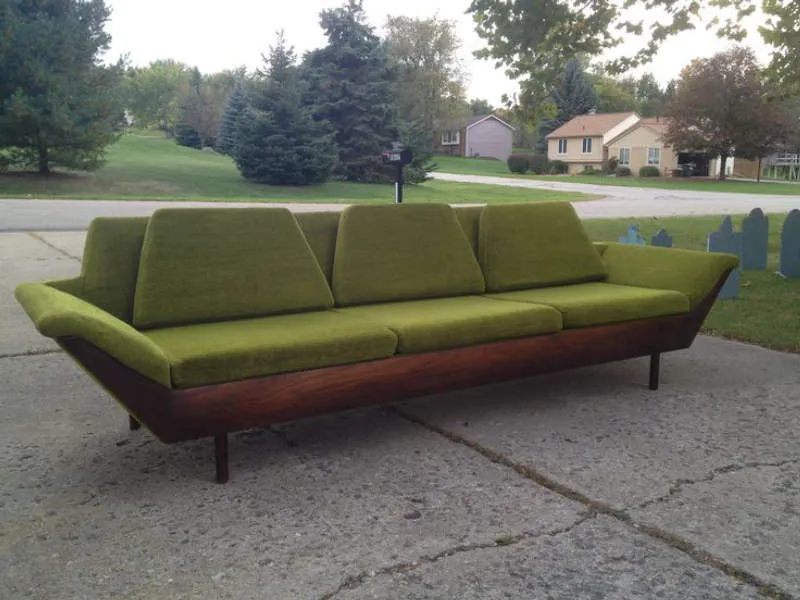
Several furniture styles have achieved iconic status due to their enduring design and cultural impact. Mid-century modern, characterized by clean lines, organic shapes, and functionality, remains incredibly popular. Other notable styles include Art Deco, known for its geometric patterns and luxurious materials, and Victorian, recognizable by its ornate details and dark, rich woods. These styles represent distinct eras and aesthetic sensibilities.
The continued relevance of these iconic styles speaks to their timeless appeal. Minimalism, with its focus on simplicity and uncluttered spaces, has also gained significant traction in recent years. Understanding these different styles allows for a more informed appreciation of furniture design and its evolution, influencing how we furnish and decorate our homes today.
Color Schemes That Work Best
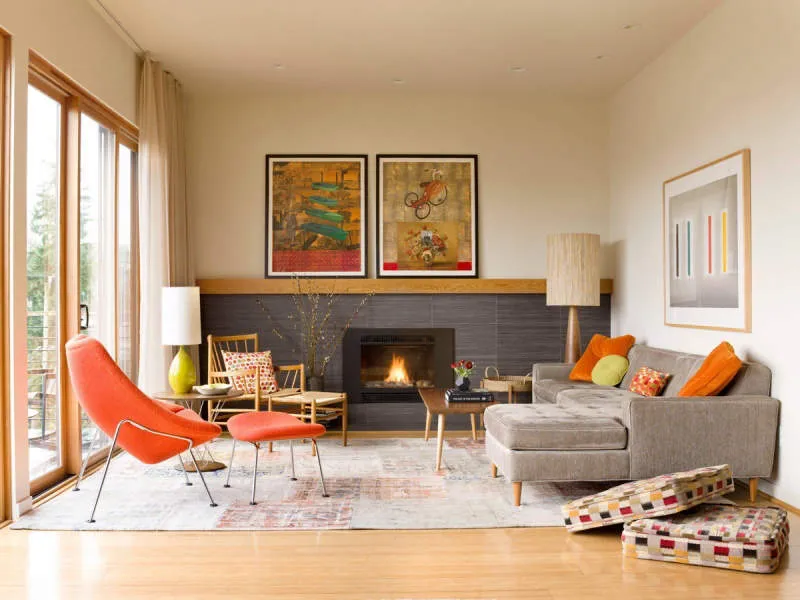
Effective color schemes hinge on understanding color theory. Complementary colors (opposite each other on the color wheel, like blue and orange) create high contrast and visual excitement. Analogous colors (adjacent on the color wheel, like blue, blue-green, and green) offer a harmonious and soothing feel. Triadic colors (equally spaced on the color wheel, like red, yellow, and blue) provide a balanced and vibrant palette. The best choice depends on your project’s intended mood and message.
Consider also the psychological impact of colors. Warm colors (reds, oranges, yellows) evoke energy and excitement, while cool colors (blues, greens, purples) project calmness and serenity. Neutral colors (black, white, gray, beige) provide a stable base and enhance other colors. Careful consideration of these factors ensures your color scheme is both aesthetically pleasing and effectively communicates your desired message.
Wood Accents and Retro Lighting
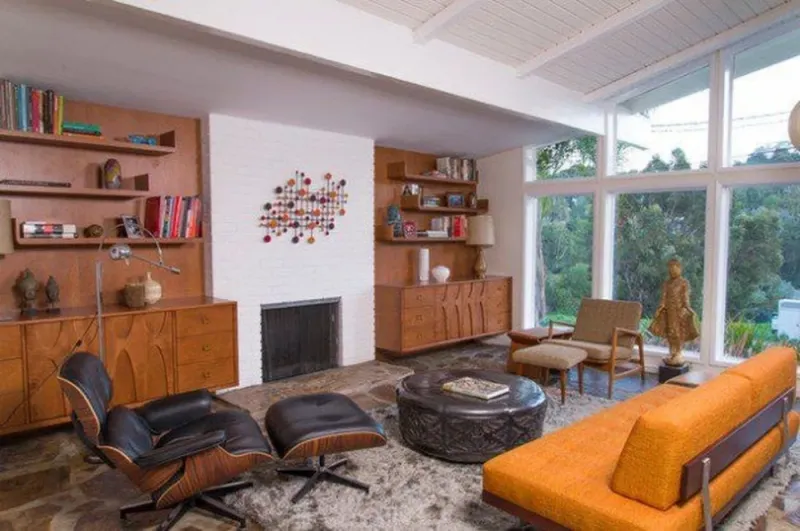
Wood accents add warmth and a touch of rustic charm to any space. Whether it’s a simple wooden shelf, a statement coffee table, or intricate paneling, wood brings a natural, inviting feel. Pairing wood with retro lighting, such as vintage pendant lamps or mid-century modern sconces, creates a stylish and sophisticated ambiance. The combination offers a unique blend of old and new.
The versatility of wood allows it to complement various retro lighting styles, from sleek and minimalist designs to more ornate and detailed pieces. The contrast between the organic texture of the wood and the often metallic or glass elements of retro lighting creates visual interest and depth. This pairing is perfect for achieving a cohesive and visually appealing interior design.
Wall Art and Decor Details
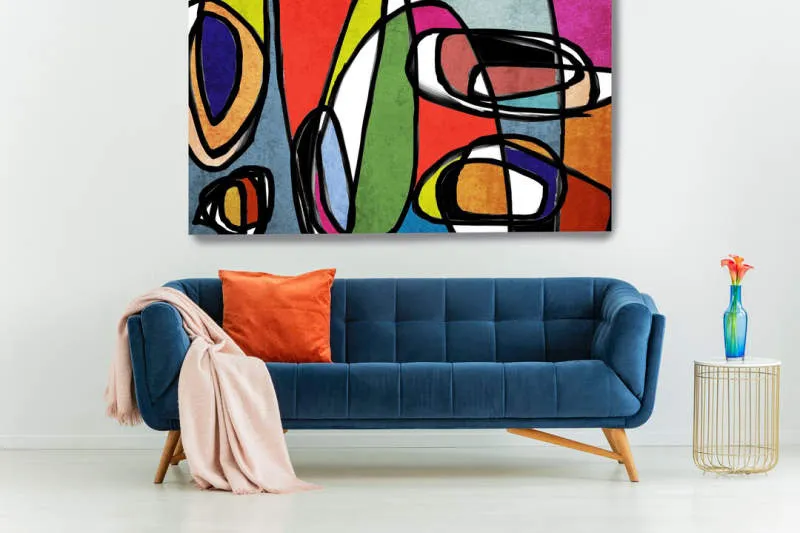
Wall art and decor significantly impact a room’s atmosphere. Consider the size and scale of the art relative to the wall and furniture. Color palettes should complement existing decor, while style (e.g., modern, traditional) should maintain a cohesive look. Think about the mood you want to create – calming, energetic, or sophisticated.
Placement is crucial. A large piece can anchor a room, while smaller pieces can be grouped for a gallery wall effect. Framing enhances the art and protects it. Don’t forget lighting; proper illumination showcases the artwork effectively. Ultimately, selecting wall art and decor should reflect personal taste and enhance the overall space.
Tips for Blending with Modern Style
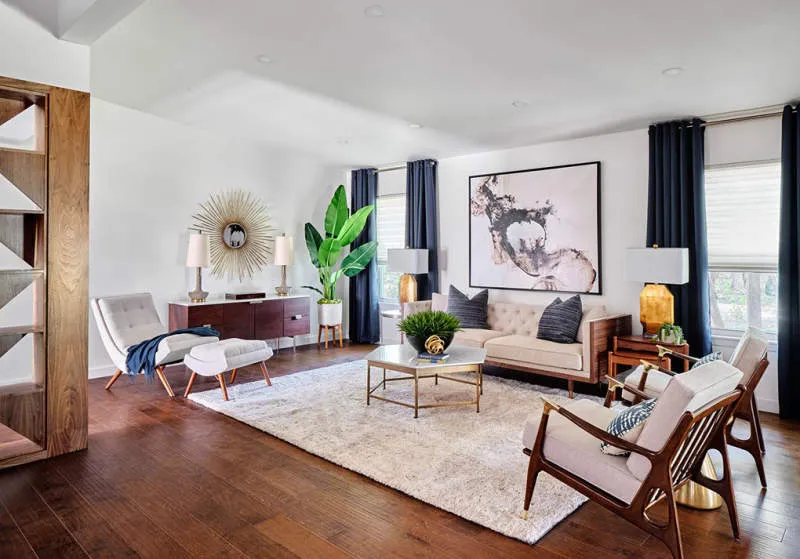
To seamlessly blend with modern style, focus on clean lines and minimalist aesthetics. Opt for neutral color palettes with pops of bold accent colors. Prioritize functional furniture with simple designs and high-quality materials. Think sleek silhouettes and avoid overly ornate details.
Strategic layering is key. Combine textures such as smooth leather with rough-hewn wood or soft textiles with sleek metal accents. Incorporate natural elements like plants or stone to soften the space and create a sense of calm. Remember that less is often more when striving for a modern look.
