
Embrace the timeless elegance and sophisticated glamour of the Art Deco era with our guide to elevating your home aesthetic. This design movement, known for its geometric patterns, luxurious materials, and streamlined forms, offers a unique opportunity to infuse your living space with refined style and unparalleled luxury. Discover how to incorporate Art Deco touches into your home décor, transforming ordinary rooms into stunning havens of modern elegance. Learn to seamlessly blend vintage charm with contemporary comfort, creating a truly unique and elevated living space.
From subtle accents to bold statement pieces, we’ll explore various ways to achieve the perfect balance of Art Deco influence in your home. We’ll delve into the key design elements that define this iconic style, including the use of rich textures, metallic finishes, and geometric motifs. Whether you’re looking to completely overhaul your interior design or simply add a few tasteful Art Deco accessories, this article will provide the inspiration and guidance you need to create a truly breathtaking and stylish home, brimming with the captivating spirit of the roaring twenties.
What Defines Art Deco Style
Art Deco, flourishing between the two World Wars, is defined by its geometric shapes, streamlined forms, and bold, luxurious materials. Characterized by a sense of modernity and optimism, it incorporated elements from various sources, including Cubism, Egyptian motifs, and industrial design. Symmetry and rich ornamentation were key features, often featuring vibrant colors and intricate patterns.
Key visual elements include zigzags, sunbursts, and repeating motifs. The style found expression in a wide array of media, from architecture and furniture design to fashion, jewelry, and graphic arts. Its influence on design continues to be felt today, evident in its enduring appeal and frequent reinterpretations.
Using Symmetry and Geometry in Design
Symmetry and geometry are fundamental principles in design, offering a powerful framework for creating visually appealing and balanced compositions. Symmetrical designs, whether radial or bilateral, provide a sense of order and stability. Geometric shapes, including circles, squares, and triangles, act as building blocks, contributing structure and visual interest. Effective use of these elements creates harmony and enhances the overall impact of a design.
Understanding the principles of symmetry and geometry allows designers to control visual weight and create focal points. Proportion and scale, closely related concepts, are also crucial. By carefully manipulating the size and placement of geometric elements, designers can guide the viewer’s eye and communicate intended messages effectively. Mastering these techniques leads to designs that are not only aesthetically pleasing but also functional and communicative.
Bold Color Contrasts

Bold color contrasts are crucial for visual accessibility and readability. Sufficient contrast between text and its background ensures that individuals with visual impairments, such as low vision, can easily read and understand the information presented. This is particularly important for text size and color choices, which significantly impact readability.
Web Content Accessibility Guidelines (WCAG) provide specific contrast ratio requirements. These guidelines recommend a minimum contrast ratio for normal text and large text, ensuring that content is usable and accessible to a wider audience. Adhering to these standards improves the user experience for everyone, regardless of visual ability.
Luxurious Materials Like Velvet and Brass
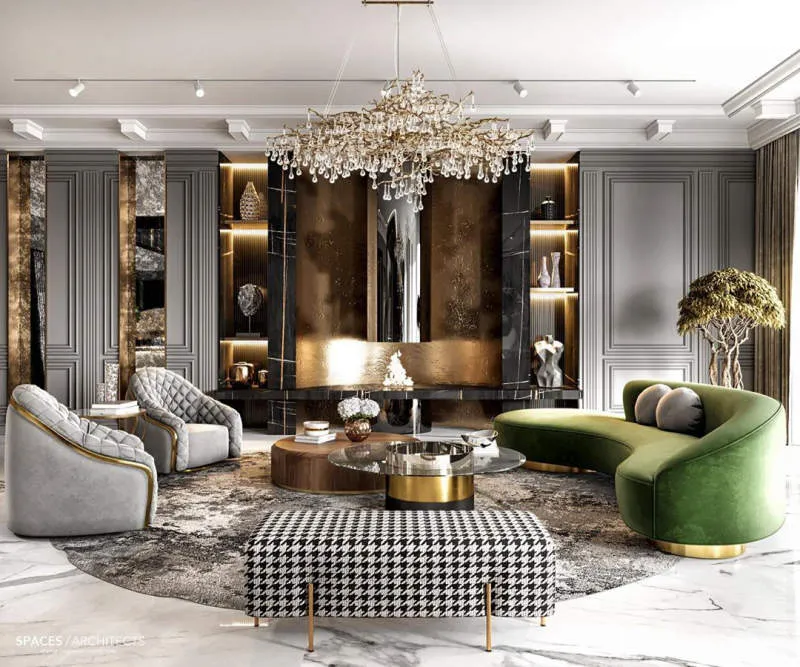
Velvet and brass are two luxurious materials often used in high-end design. Velvet, a soft and plush fabric, adds a touch of opulence and warmth, while brass, a golden-hued metal, brings a sense of sophistication and shine. Their combination creates a rich and decadent aesthetic.
The use of velvet and brass can elevate any space, from furniture and upholstery to lighting fixtures and decorative accents. Their inherent qualities of texture and luster contribute to a feeling of luxury and refined taste, making them popular choices for interior design projects aiming for a high-end look.
Patterned Floors and Walls
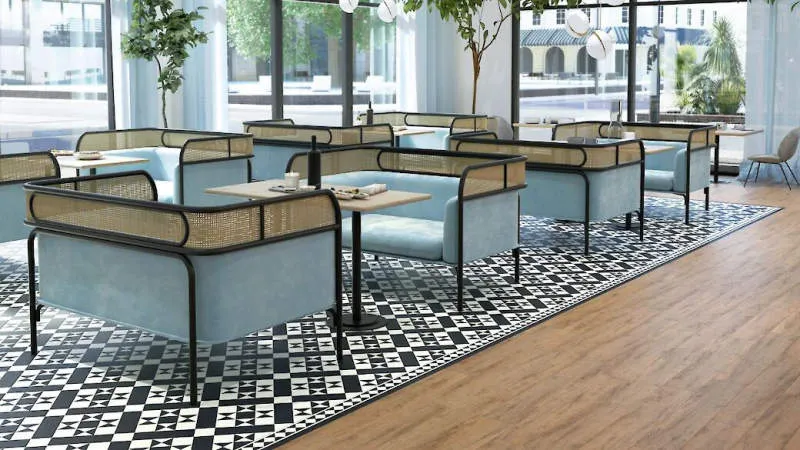
Patterned floors and walls add visual interest and personality to any space. From subtle geometric designs to bold, intricate patterns, the options are vast. Consider the room’s size and style when choosing a pattern; smaller rooms might benefit from smaller, simpler designs, while larger spaces can handle more complex patterns. Material choices are equally important, impacting both the aesthetic and practicality of the design.
Popular pattern types include classic stripes, timeless checkered patterns, elegant floral designs, and modern abstract motifs. The color palette should complement existing furniture and decor. Whether you’re using tiles, wallpaper, or paint, careful planning ensures a cohesive and stylish result, transforming a simple room into a visually captivating space.
Mirrors and Reflective Surfaces
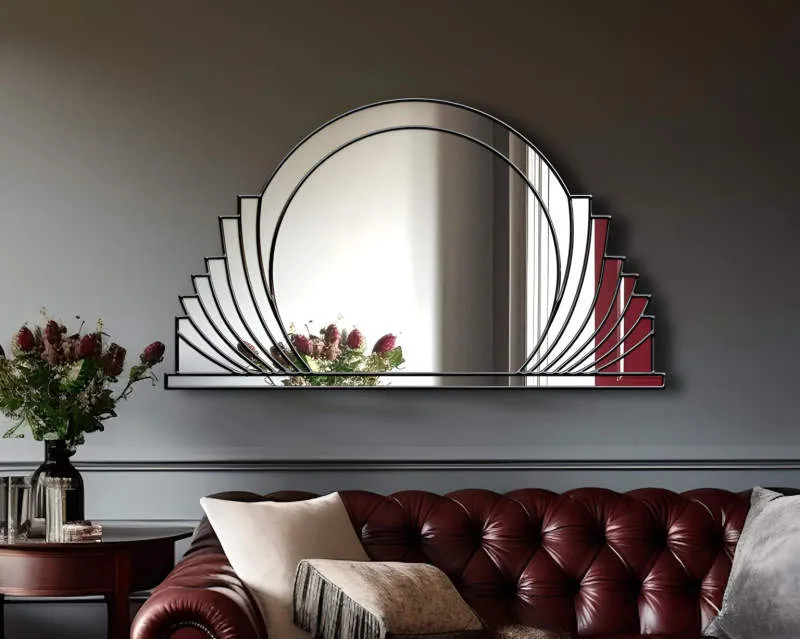
Mirrors are surfaces designed for reflection. They typically consist of a reflective material, such as silver or aluminum, coated onto a piece of glass. The smoothness of the surface determines the quality of the reflection; a smoother surface produces a clearer, sharper image. Plane mirrors produce a virtual image that is the same size and distance from the mirror as the object. Other types of mirrors, such as curved mirrors (concave and convex), create distorted or magnified images depending on their shape.
Beyond mirrors, many other surfaces exhibit reflective properties, although often to a lesser degree. Polished metal, water, and even smooth stones can reflect light, albeit with varying degrees of clarity and intensity. The principle of reflection, governed by the laws of reflection (angle of incidence equals angle of reflection), applies to all reflective surfaces, regardless of their material composition or shape.
Statement Light Fixtures
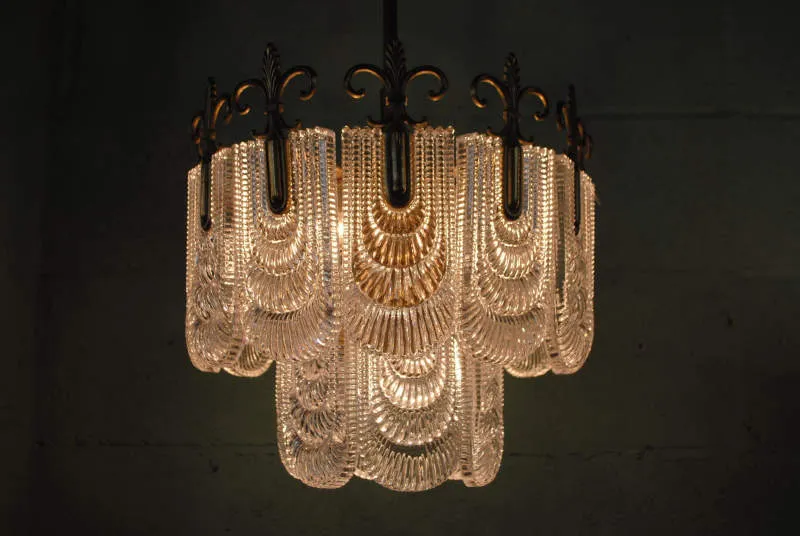
Statement light fixtures serve as more than just illumination; they’re impactful design elements that elevate a room’s aesthetic. A well-chosen fixture can be a focal point, adding personality and style, whether it’s a dramatic chandelier, a sleek pendant light, or a bold sculptural piece.
Consider the room’s size and style when selecting a statement fixture. A large chandelier might overwhelm a small space, while a minimalist pendant would be lost in a grand room. The fixture’s material, color, and shape should complement the overall decor to create a cohesive and visually appealing space.
Sculptural Furniture Pieces
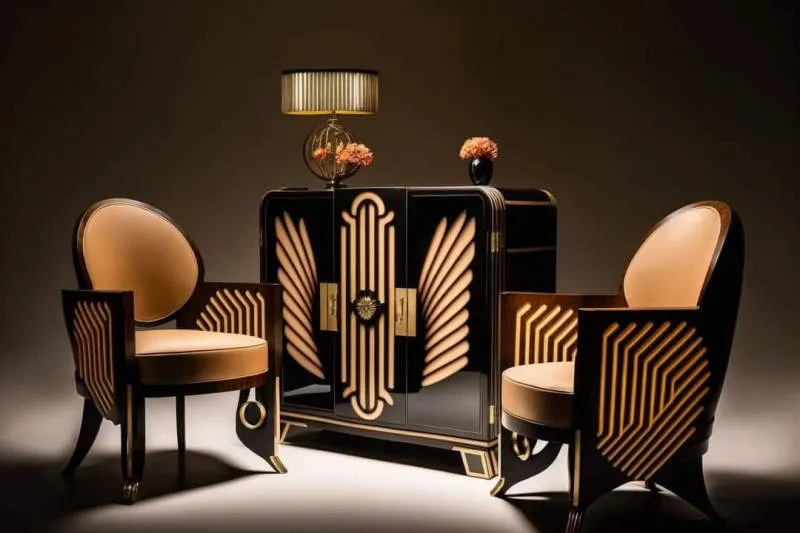
Sculptural furniture seamlessly blends art and functionality. These pieces transcend mere utility, becoming captivating focal points within a space. Unique designs and high-quality materials are key characteristics, often showcasing intricate details and bold forms that command attention. Think of pieces that are as much a conversation starter as they are a comfortable chair or practical table.
The aesthetic impact of sculptural furniture varies widely. Some pieces favor minimalist elegance, while others embrace maximalist extravagance. Regardless of style, they offer a chance to inject personality and artistic flair into any interior design scheme. The craftsmanship involved is typically exceptional, reflecting a dedication to both beauty and durability.
Decorative Wall Molding
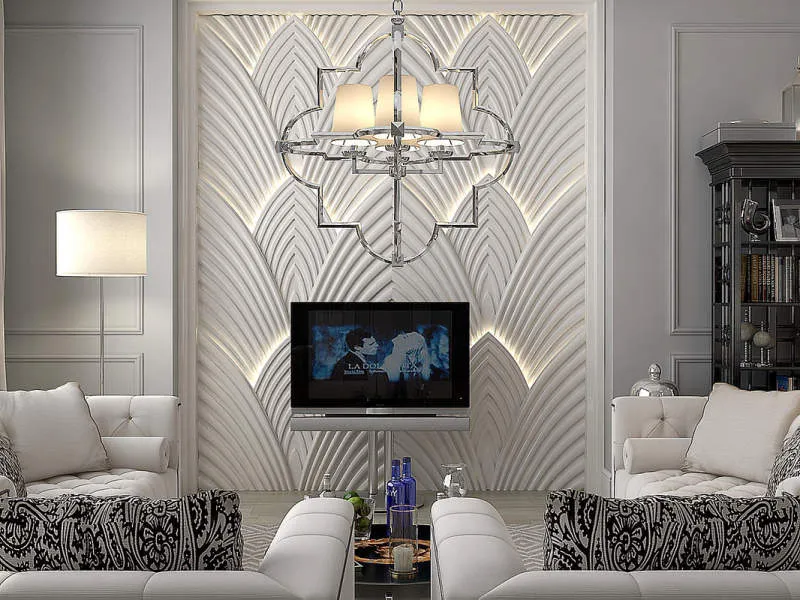
Decorative wall molding adds architectural detail and visual interest to any room. It comes in a wide variety of materials, including wood, plaster, polyurethane, and PVC, offering diverse styles to suit any design aesthetic. Installation is relatively straightforward, but may require some DIY skills or professional help depending on the complexity of the design and material chosen.
Benefits include enhancing the overall look of a space, creating a more defined and finished appearance, and potentially increasing the perceived value of a home. Choosing the right molding depends on factors such as the room’s size, existing décor, and personal preferences. Consider material durability, cost, and ease of installation when making your selection.
Classic Artwork and Prints

Classic artwork and prints offer a timeless appeal, bringing history and artistic mastery into your home or office. From iconic paintings to renowned sculptures, reproduced as high-quality prints, these pieces provide an accessible way to appreciate masterpieces from various periods and styles. They serve as conversation starters, enriching your space with beauty and cultural significance.
Whether you prefer the bold strokes of Impressionism, the refined detail of Renaissance art, or the powerful imagery of modern masters, a carefully selected classic print can elevate any décor. Consider the framing and placement to best complement your existing aesthetic and create a visually stunning display.
Styling Tips for a Cohesive Look
Achieving a cohesive look starts with understanding your personal style. Identify your favorite colors, silhouettes, and textures. Building a wardrobe around these foundational elements ensures that pieces naturally complement each other. Consider investing in neutral base items (like a well-fitting blazer or a classic pair of jeans) that can be easily mixed and matched with bolder pieces.
Next, focus on creating balance. If you’re wearing a statement piece (like a patterned skirt), balance it with simpler, more muted pieces on top. Pay attention to proportion and fit—well-fitting clothes always look more polished and put-together. Don’t be afraid to experiment with different accessories to add personality and tie your outfit together. A cohesive look is less about following trends and more about creating a style that feels authentically you.
