
Discover the tranquil beauty of Japandi design in your living room. This increasingly popular aesthetic seamlessly blends the minimalist principles of Japanese design with the warmth and functionality of Scandi style, creating a space that is both serene and inviting. Learn how to incorporate key Japandi living room ideas to achieve a calm and sophisticated atmosphere in your home, perfect for relaxation and rejuvenation. Explore the perfect balance of natural materials, neutral palettes, and thoughtful simplicity.
This article will guide you through creating a serene Japandi living room, focusing on essential design elements. We’ll delve into the best Japandi furniture choices, including low-profile seating and minimalistic shelving. You’ll also find inspiration for incorporating natural textures like wood, rattan, and linen, and learn how to curate a harmonious color scheme using neutral tones and pops of carefully chosen color accents. Transform your living room into an oasis of calm with our expert Japandi living room ideas.
Understanding Japandi Design Style
Japandi design is a harmonious blend of Japanese and Scandinavian aesthetics. It emphasizes minimalist principles, prioritizing functionality and clean lines. Key characteristics include the use of natural materials like wood and bamboo, a neutral color palette featuring whites, grays, and earth tones, and a focus on texture and simplicity. The style avoids clutter, promoting a sense of calm and serenity within the space.
This fusion creates a unique interior design that is both sophisticated and inviting. While embracing the clean lines and functionality of Scandinavian design, Japandi incorporates the subtlety and tranquility inherent in Japanese aesthetics. The result is a space that is both visually appealing and emotionally restorative, offering a sense of peace and balance.
Why Japandi Combines the Best of East and West
Japandi design seamlessly blends the minimalist aesthetic of Japanese design with the functionality and warmth of Scandinavian style. This results in interiors that are both calming and practical, emphasizing natural materials like wood and stone, clean lines, and a neutral color palette. The focus is on creating a space that is both beautiful and effortlessly functional, prioritizing quality over quantity.
The combination of these two distinct styles creates a unique and harmonious environment. Japanese design’s emphasis on simplicity and natural elements is perfectly complemented by Scandinavian design’s focus on light, functionality, and comfort. The result is a sophisticated and serene atmosphere that promotes a sense of well-being and tranquility. Japandi is a modern approach to interior design that appeals to those seeking a balance between understated elegance and practical living.
Muted Color Palettes and Clean Lines
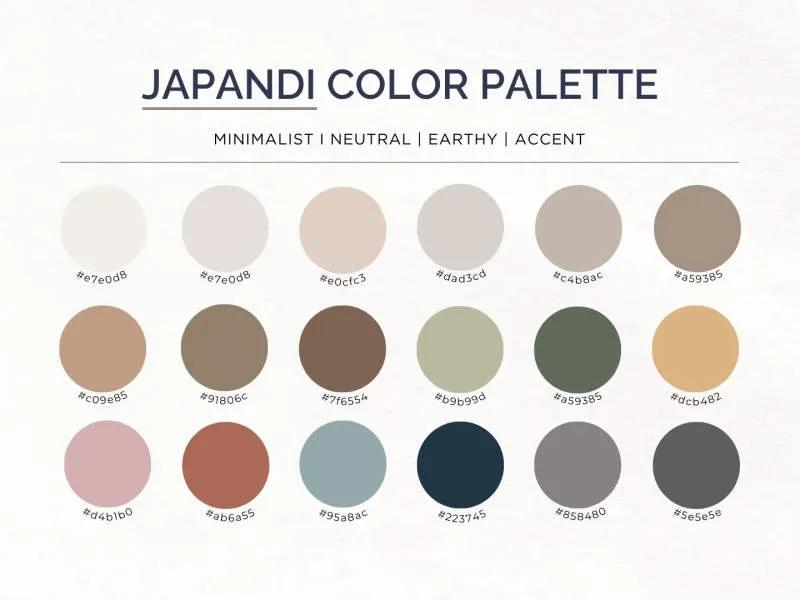
Muted color palettes, characterized by soft, desaturated hues, create a sense of calm and sophistication. These palettes often incorporate neutrals like beige, gray, and taupe, accented by subtle shades of blue, green, or pink. Pairing these colors with clean lines in design—think minimalist furniture, simple geometric patterns, and uncluttered spaces—results in an aesthetically pleasing and tranquil environment.
The combination of muted tones and clean lines fosters a sense of order and serenity. This aesthetic is highly adaptable, working equally well in modern, minimalist, Scandinavian, and even some transitional design styles. The versatility of this approach allows for a feeling of spaciousness and timeless elegance.
Low-Profile Furniture Essentials
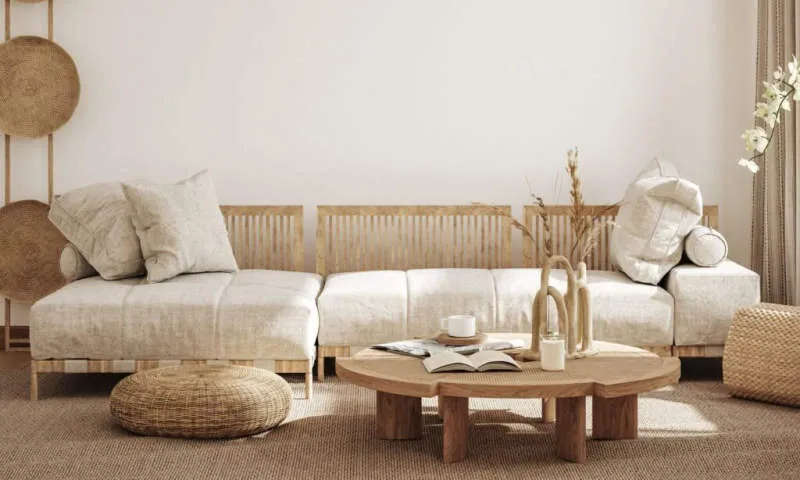
Low-profile furniture offers a stylish and functional solution for smaller spaces or rooms with low ceilings. Key essentials include a low-slung sofa or loveseat, a coffee table with a slim profile, and perhaps a pair of low armchairs or ottomans. Choosing pieces with sleek lines and minimalistic designs will help maximize the feeling of spaciousness.
Consider materials like glass or acrylic for coffee tables and side tables to create an airy feel. Opt for lighter colors to further enhance the sense of openness. Remember to carefully measure your space before purchasing to ensure that your chosen pieces fit comfortably and proportionally within the room. Proper scaling is crucial to avoid overwhelming the space.
Wood and Natural Materials
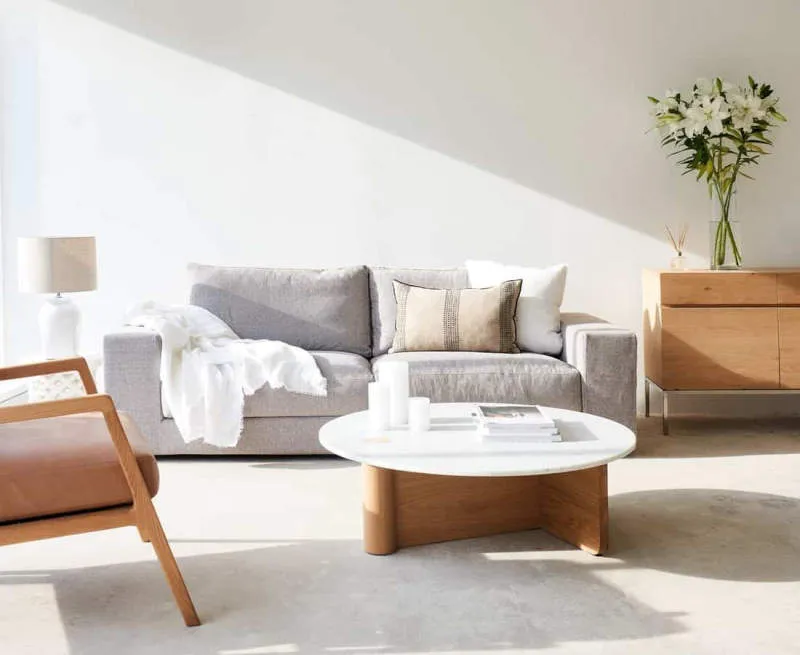
Wood is a versatile and renewable natural material widely used in construction, furniture making, and various other applications. Its strength, durability, and aesthetic appeal make it a popular choice. Other natural materials, such as bamboo, cork, and various fibers (like hemp and jute), offer sustainable alternatives with unique properties, contributing to eco-friendly design and construction.
The use of wood and natural materials offers several benefits, including reduced environmental impact compared to synthetic materials, improved indoor air quality, and a connection to nature. However, considerations such as sourcing (sustainable forestry is crucial), durability depending on the specific material and climate, and potential maintenance requirements should be factored into project planning.
Decluttered Spaces for Calm
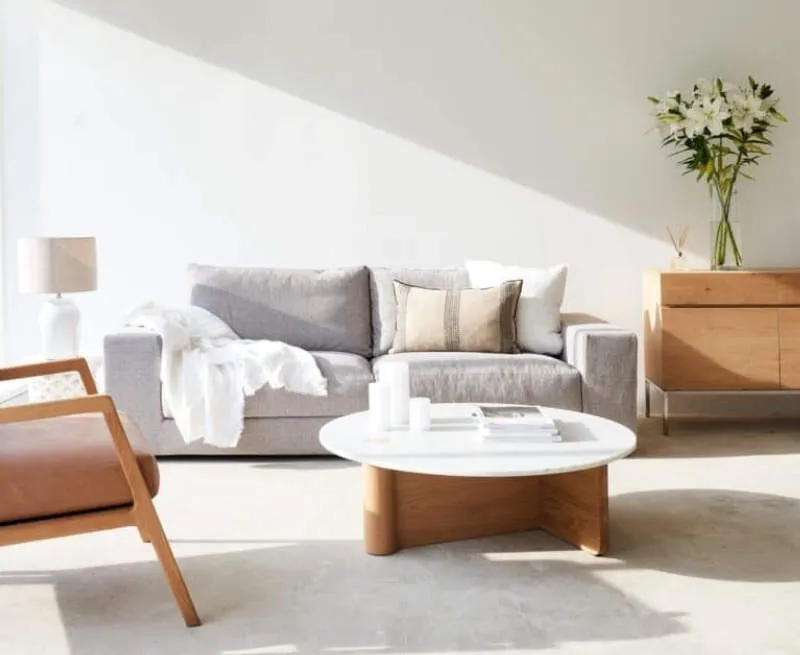
A decluttered home contributes significantly to a calm and peaceful atmosphere. Removing unnecessary items reduces visual and mental clutter, leading to a more serene living environment. This allows for easier relaxation and improved focus.
Benefits extend beyond aesthetics. A tidy space promotes better sleep, reduced stress, and increased productivity. Regular decluttering is key to maintaining this positive impact on your well-being.
Indoor Plants for a Tranquil Look
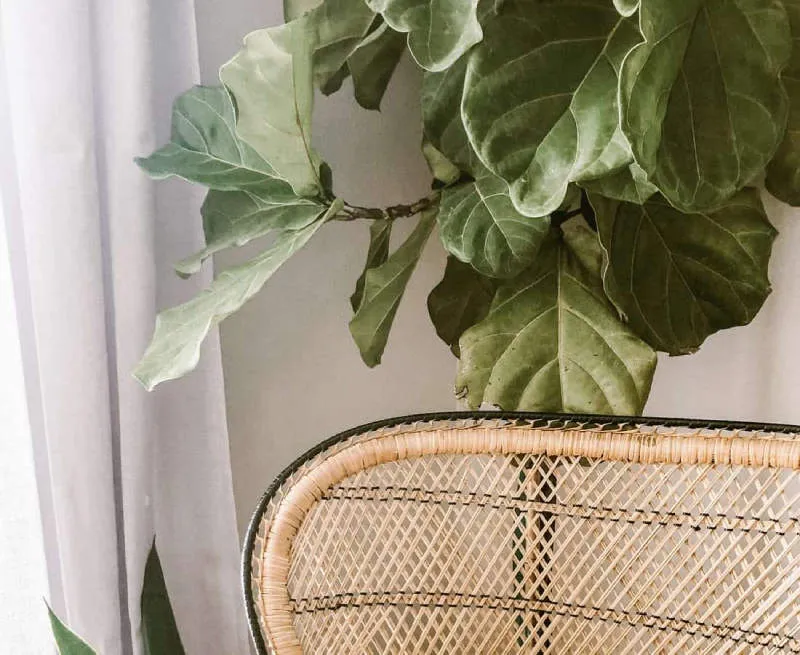
Create a serene atmosphere in your home with the right indoor plants. Low-maintenance options like Snake Plants and ZZ Plants thrive even with minimal light and infrequent watering, perfect for busy lifestyles. Their clean lines and simple forms contribute to a calming ambiance.
For a touch of lush greenery, consider Peace Lilies or Spider Plants. Their elegant foliage adds a sense of tranquility. Remember to choose plants that suit your lighting conditions and watering habits for best results and a stress-free experience.
Soft Lighting Fixtures
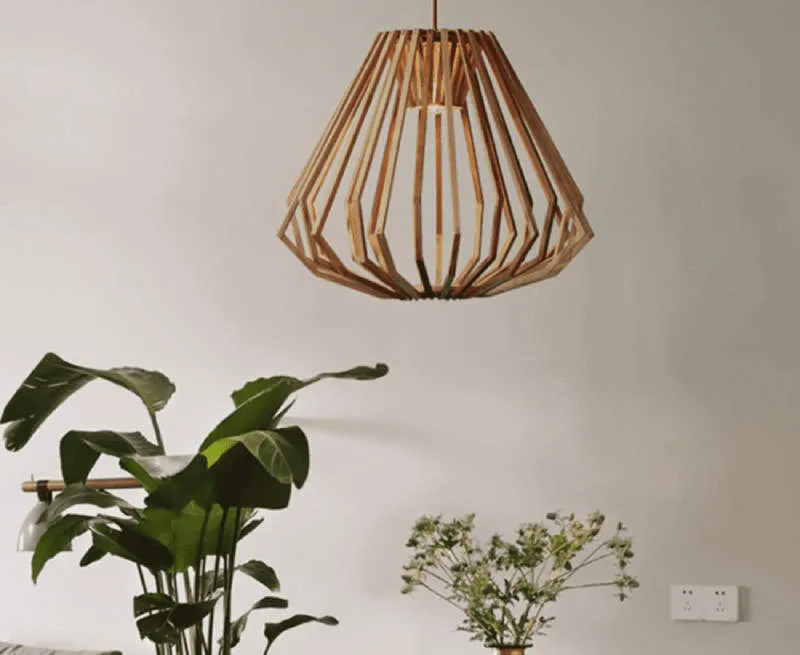
Soft lighting fixtures diffuse light, creating a warm and inviting ambiance. They are ideal for creating a relaxed atmosphere in living rooms, bedrooms, and dining areas. Popular choices include table lamps with fabric shades, floor lamps with diffusing materials, and pendant lights with frosted glass or opalescent shades. These fixtures minimize harsh shadows and glare, making them comfortable for the eyes.
Consider the size and wattage of the bulb when selecting a soft lighting fixture to achieve the desired brightness level. The material of the shade and its design also contribute significantly to the overall light diffusion and aesthetic appeal. Many options are available in various styles and finishes to complement any interior design.
Wall Art with Simplicity
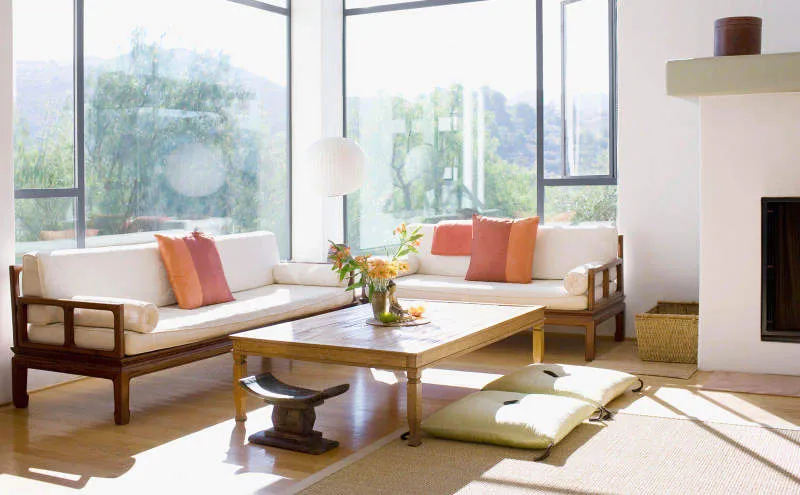
Simple wall art can dramatically enhance your space without overwhelming it. Consider minimalist designs featuring clean lines and a limited color palette for a sophisticated and calming effect. Neutral tones like whites, grays, and beiges provide versatility, allowing you to easily incorporate other elements into your décor.
Geometric patterns, abstract shapes, or even a single bold statement piece can add visual interest. Focus on high-quality materials and thoughtful placement to maximize the impact of your minimalist wall art. The key is to create a sense of balance and tranquility, letting the art complement your existing style rather than competing with it.
Japandi Rugs and Floor Styling
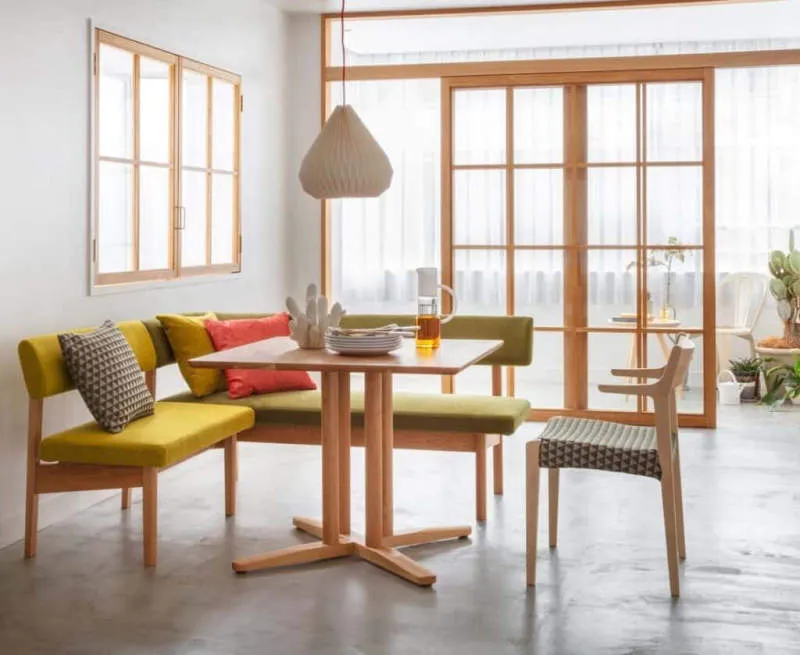
Japandi style blends the minimalist aesthetic of Japanese design with the functionality and warmth of Scandi style. This translates beautifully to floor styling, often featuring natural materials like jute, sisal, or wool in rugs. Neutral color palettes of creams, beiges, and greys are dominant, creating a serene and calming atmosphere. Rugs are strategically placed to define spaces and add texture without overwhelming the clean lines of the overall design.
Simplicity is key. A single, high-quality rug can make a significant impact, anchoring furniture and providing a cozy touch. Consider the texture and material carefully to complement the existing décor. A low-pile rug might be preferred to maintain a sense of spaciousness, while a slightly textured rug can add visual interest without detracting from the overall minimalist feel. Ultimately, the goal is to create a balanced and harmonious space that is both stylish and functional.
Blending Function and Aesthetics
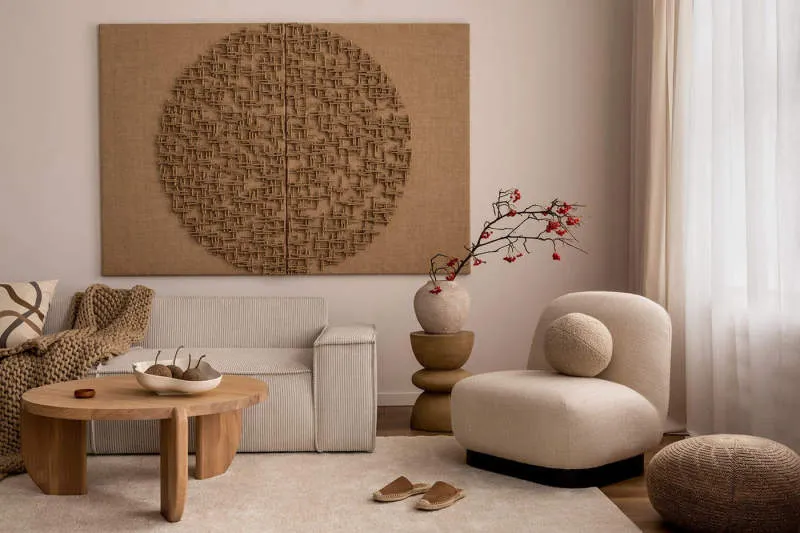
The effective design of any product or system requires a careful balance between functionality and aesthetics. A well-designed object seamlessly integrates its practical purpose with an appealing visual presentation. Usability is paramount; the object should be intuitive and easy to use. However, a purely functional design, lacking visual appeal, may be rejected by users even if it performs its task flawlessly.
Successful blending involves prioritizing user experience. This means considering not only how something works but also how it looks and feels. The interplay of form and function can create a product that is both highly usable and visually pleasing, leading to increased user satisfaction and a stronger positive impression. Intuitive design, paired with pleasing aesthetics, maximizes the overall effectiveness.
