
Transform your kitchen into a vibrant and energizing space with a colorful kitchen design. A splash of color can dramatically improve your mood and create a more inviting and functional cooking area. This article explores the exciting possibilities of incorporating color into your kitchen, from bold statement walls to subtle pops of hue in cabinetry and accessories. Learn how to choose the right colors to enhance your kitchen’s aesthetic and boost your daily energy levels. Discover the latest trends in colorful kitchen design and find inspiration to create the kitchen of your dreams.
Whether you’re looking to create a modern, rustic, or traditional atmosphere, colorful kitchen design offers a wealth of creative options. We’ll delve into the psychology of color and how specific shades can affect your mood and appetite. From the calming effect of blues and greens to the invigorating energy of yellows and oranges, we will guide you through the process of selecting a palette that perfectly complements your style and maximizes the positive impact of color in your home’s most important room. Get ready to unleash your creativity and embark on a journey to design a colorful kitchen that truly energizes your life.
Why Add Color to the Kitchen?
Adding color to your kitchen can significantly impact its overall atmosphere and functionality. Strategic use of color can create a more inviting and energetic space, boosting mood and appetite. Warm colors like yellows and oranges can make a kitchen feel brighter and cozier, while cooler tones such as blues and greens can promote a sense of calm and cleanliness. The right color scheme can even make a small kitchen feel larger or a large kitchen feel more intimate.
Beyond aesthetics, color choices affect the practicality of your kitchen. For instance, lighter colors can help to visually expand a smaller space, making it feel less cramped. Durable and easy-to-clean paint finishes are especially important in a high-traffic area like the kitchen. Consider the overall design style of your home when selecting colors to ensure a cohesive and harmonious look throughout.
Balancing Vibrancy with Usability
Designing a visually appealing interface is crucial for attracting and retaining users. Vibrancy, achieved through color, imagery, and animation, can significantly enhance the user experience, making the application more engaging and memorable. However, it’s vital to maintain a balance; excessive vibrancy can be distracting and overwhelming, hindering usability and potentially negatively impacting user performance. A successful design prioritizes clarity and ease of navigation, ensuring key information is readily accessible.
The key lies in a considered approach. Prioritize accessibility by adhering to color contrast guidelines and ensuring sufficient visual hierarchy. Employ vibrant elements strategically, using them to highlight important calls to action or to draw attention to specific features, rather than overwhelming the entire interface. Careful consideration of visual weight and a focus on user-centered design principles will ultimately ensure both an attractive and functional product.
Popular Color Palettes to Try
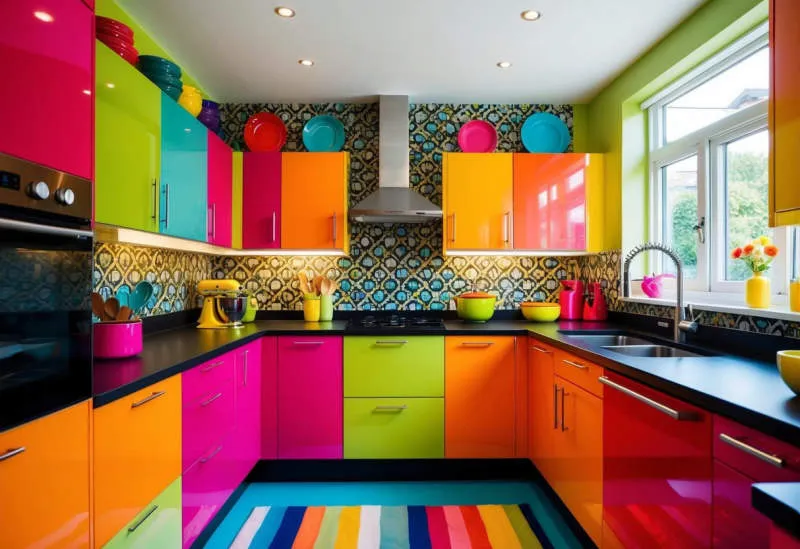
Popular color palettes often revolve around a few key combinations. Monochromatic palettes utilize varying shades and tints of a single color for a cohesive and elegant look. Analogous palettes employ colors that sit next to each other on the color wheel, creating a harmonious and natural feel. Complementary palettes use colors opposite each other on the color wheel, providing a vibrant and high-contrast effect. Experimenting with these basic structures offers a great starting point for any design project.
Beyond these foundational palettes, consider exploring triadic palettes (three colors evenly spaced on the color wheel) for a balanced and visually interesting result. Tetradic palettes (four colors forming a rectangle on the color wheel) offer even more complexity and visual interest, but require careful balancing. Remember that the specific shades and tints within each palette significantly impact the overall mood and feel of your design. Consider the context and desired emotion when making your choices.
Two-Tone Cabinets and Backsplashes
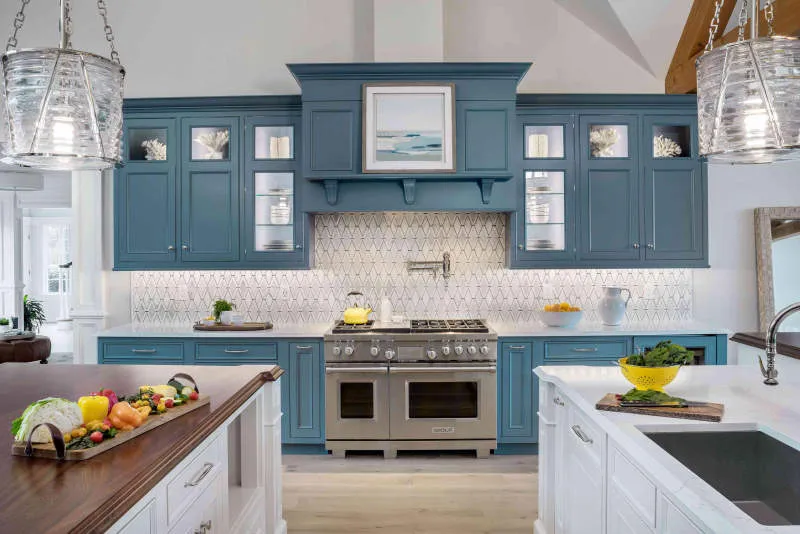
Two-tone kitchen cabinets are a popular trend, offering a stylish and versatile way to update your space. By combining two colors or finishes, you can create visual interest and balance. Popular choices include pairing a dark lower cabinet with a lighter upper cabinet, or using contrasting colors to highlight specific features. This design technique allows for personalization and caters to various design aesthetics, from modern to traditional.
The backsplash plays a crucial role in complementing the two-toned cabinets. Consider choosing a backsplash that coordinates with one or both cabinet colors, or opt for a neutral shade that acts as a unifying element. Material selection also impacts the overall look; a sleek subway tile complements modern designs, while a more rustic option suits traditional styles. The key is finding a harmonious balance between the cabinets and backsplash to achieve a cohesive and visually appealing kitchen.
Bold Countertops and Islands
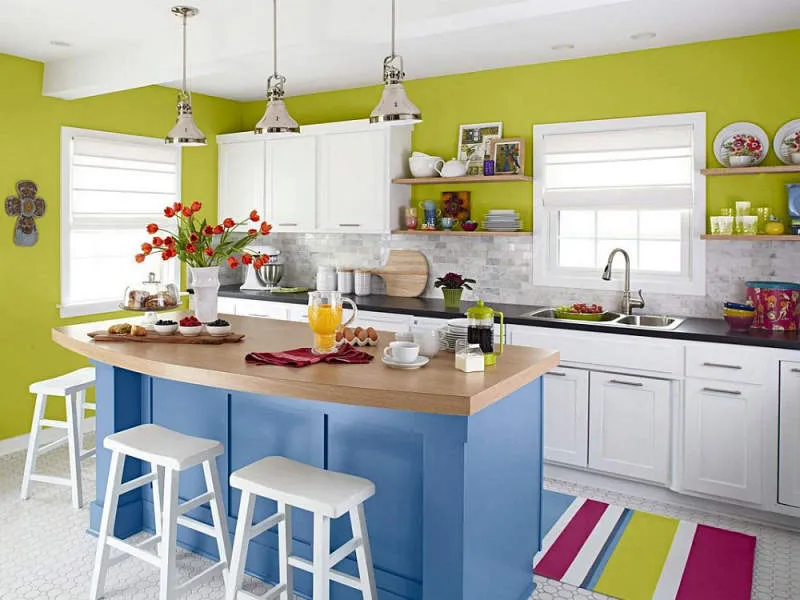
Bold countertops and islands are a fantastic way to add personality and visual impact to your kitchen. Consider materials like dark granite, bold marble with strong veining, or even a striking concrete or quartz option in a deep color. The right material can instantly elevate the room’s aesthetic, creating a focal point that draws the eye.
When choosing your bold countertop, think about the overall style of your kitchen. A modern kitchen might pair well with sleek concrete, while a traditional space could benefit from the richness of a dark granite or marble. Remember to also consider maintenance; some materials require more upkeep than others. The right bold island and countertop will significantly enhance both the functionality and style of your kitchen.
Color-Coordinated Appliances
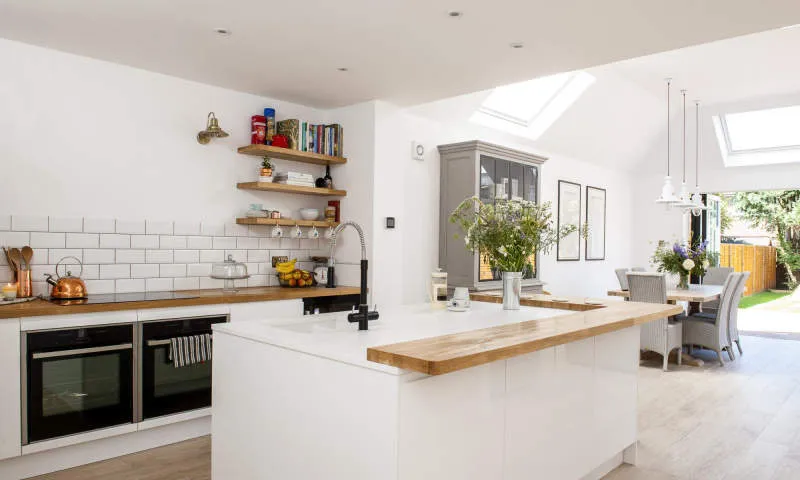
Choosing color-coordinated appliances can significantly enhance your kitchen’s aesthetic appeal. Matching colors create a unified and visually pleasing look, contributing to a more harmonious kitchen design. Consider popular choices like stainless steel, white, or black for a timeless and versatile style, or explore bolder colors to make a statement.
However, prioritizing functionality and long-term value is equally important. While aesthetics matter, ensure the appliances meet your needs in terms of performance, features, and energy efficiency. Don’t sacrifice practicality for a perfectly matched color scheme.
Incorporating Color Without Overdoing
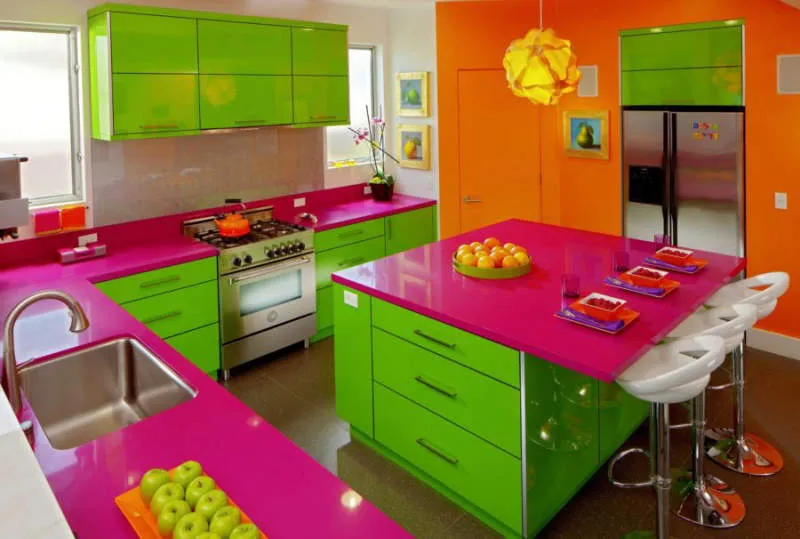
Using color effectively in design is about balance. A monochromatic scheme, varying only the shades and tints of a single color, creates a sophisticated and calming effect. Alternatively, a limited palette, using 2-3 carefully chosen colors, can be both visually interesting and harmonious. Avoid overwhelming the viewer by sticking to a consistent color story throughout your project. Strategic use of color accents can add pops of interest without disrupting the overall look.
Consider the psychology of color; certain hues evoke specific emotions. Warm colors (reds, oranges, yellows) tend to be energetic and stimulating, while cool colors (blues, greens, purples) generally convey calmness and tranquility. Choosing colors that align with the intended mood and message of your design is crucial for success. Remember, less is often more when it comes to color.
