
Discover the captivating world of eclectic living room designs, where individuality reigns supreme. This article explores how to create a space that authentically reflects your unique personality and style. We delve into the art of mixing and matching diverse furniture pieces, textures, and colors to craft a vibrant and inviting living room that is both stylish and personally resonant. Learn how to expertly blend different design aesthetics – from mid-century modern to Bohemian – to achieve a truly one-of-a-kind and expressive interior.
Unleash your creativity with our curated collection of eclectic living room ideas. We showcase diverse examples ranging from bold and maximalist schemes to subtly curated minimalist approaches, all united by the common thread of self-expression. Whether you are seeking inspiration for a remodel, decor refresh, or simply want to infuse more personality into your current space, this guide offers practical tips and stunning visuals to help you design the eclectic living room of your dreams. Prepare to be inspired and discover the limitless possibilities of personalized design.
What Is an Eclectic Style?
Eclectic style in interior design is characterized by a mix-and-match approach, drawing inspiration from various design periods, cultures, and styles. It avoids strict adherence to a single aesthetic, instead celebrating a curated collection of diverse elements. Think globally sourced furniture, antique accents juxtaposed with modern pieces, and a playful disregard for traditional matching rules.
The key to successful eclectic design lies in cohesion. While diverse, the elements should share a common thread, such as a consistent color palette, recurring textures, or a unified sense of personality. Careful consideration of scale, proportion, and visual balance is crucial to prevent the space from feeling cluttered or chaotic. The final result is a space that is both unique and inviting, reflecting the homeowner’s individual taste and global perspective.
Balancing Chaos and Cohesion
The pursuit of balance between chaos and cohesion is a fundamental challenge across diverse systems, from complex ecosystems to organizational structures. Too much chaos leads to instability and unpredictability, while excessive cohesion stifles innovation and adaptability. The ideal state often lies in a dynamic equilibrium, allowing for controlled levels of disruption that foster growth and evolution while maintaining a core sense of order and purpose.
Successfully navigating this tension requires a nuanced understanding of the specific system in question. Strategies for achieving this balance often involve identifying key control points, fostering communication and feedback loops, and implementing adaptive mechanisms capable of responding to both predictable and unpredictable events. The ultimate goal is to create a resilient system capable of thriving amidst complexity.
Mixing Patterns with Confidence
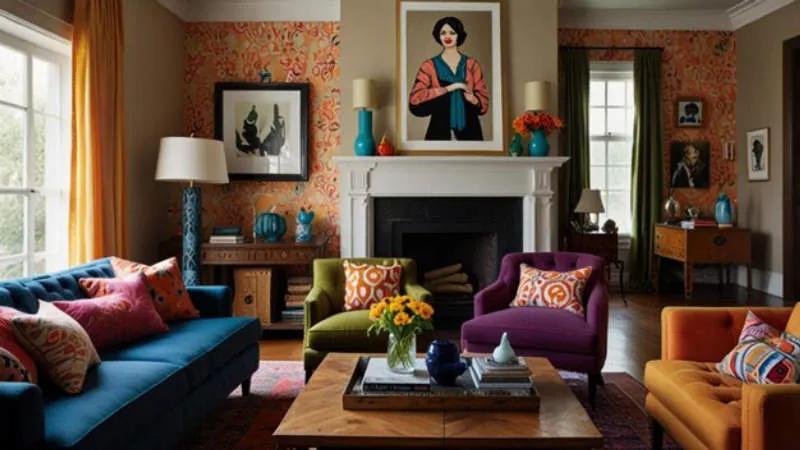
Mixing patterns can elevate your style from simple to sophisticated, but it requires a confident approach. The key is to choose patterns with a shared color palette or similar scale. For example, pair a bold floral print with a subtly striped piece, both featuring shades of blue and green. Alternatively, mix different patterns with similar weights or sizes; avoid clashing dramatically different scales simultaneously.
Consider the overall effect you want to achieve. A more cohesive look can be created by using various patterns in the same color family, creating a harmonious blend. Experiment with different textures as well; a rough tweed jacket paired with a silky patterned blouse adds visual interest and depth. Remember, confidence is key! Don’t be afraid to try new combinations and find what works best for you.
Combining Vintage and Modern Pieces
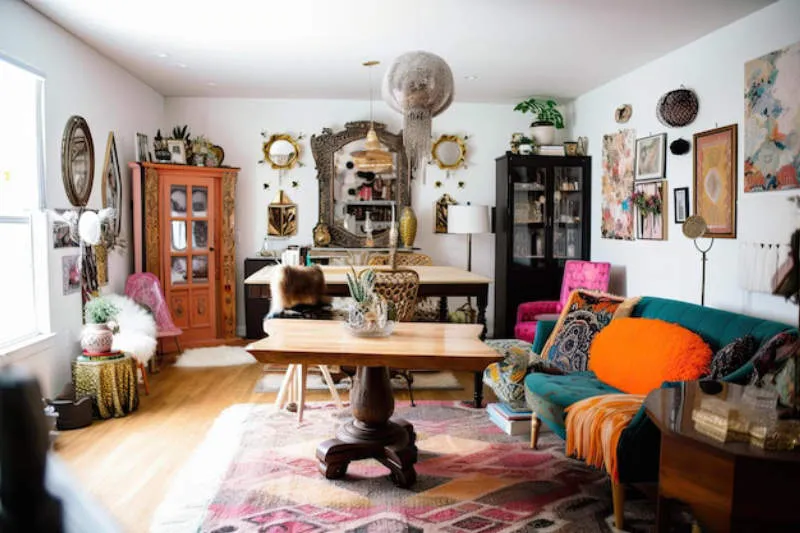
Mixing vintage and modern pieces in your home decor creates a unique and stylish space. The key is finding a balance; a few carefully chosen vintage items can add character and charm to a predominantly modern setting, or vice versa. Consider using a consistent color palette to unify the different styles, and play with texture to create visual interest.
Think about the overall aesthetic you want to achieve. A minimalist modern space might benefit from a single statement vintage piece, while a more eclectic style can accommodate a greater variety of vintage and modern elements. Remember to prioritize pieces you love and that reflect your personal style for a truly cohesive and satisfying result.
Statement Rugs and Textiles
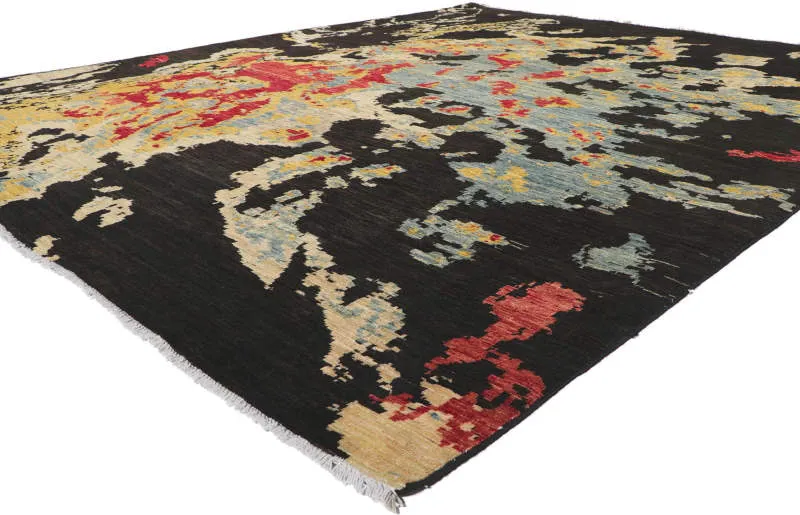
Statement rugs and textiles add personality and visual interest to any space. They serve as focal points, drawing the eye and anchoring a room’s design. Choosing the right rug or textile can dramatically impact the overall mood and aesthetic of a room, whether it’s a bold, vibrant pattern or a subtle, textured piece.
Consider factors like size, color, pattern, and material when selecting statement rugs and textiles. The right piece should complement your existing furniture and decor while adding a unique element that reflects your personal style. Think about the functionality as well – durability and ease of maintenance are key considerations for high-traffic areas.
Bold Wall Art Choices
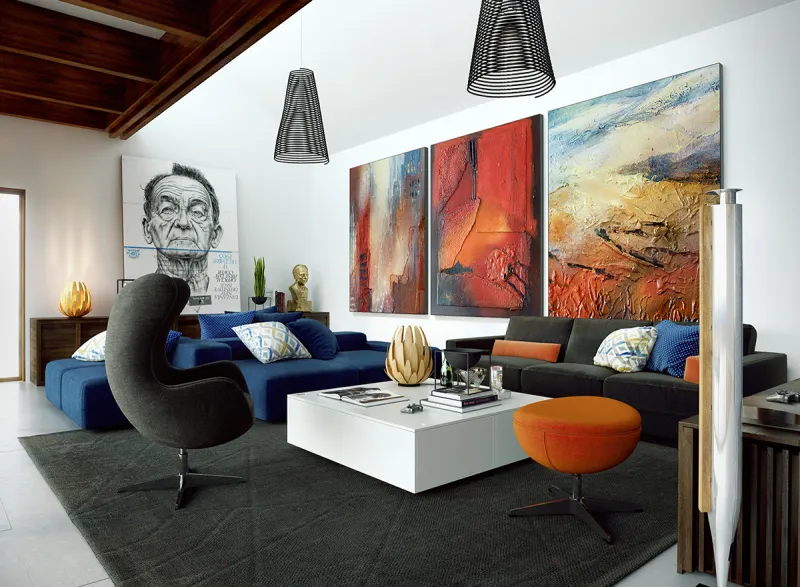
Transform your space with bold wall art! Consider large-scale abstract pieces for a dramatic impact, or opt for vibrant, colorful prints to inject personality. Geometric patterns and statement typography are also excellent choices for adding visual interest and a modern touch.
Don’t be afraid to experiment with texture! Think three-dimensional art, mixed media pieces, or even a gallery wall featuring diverse frames and styles. The key is to choose art that reflects your personal style and makes a statement in your home.
Layered Decor Techniques
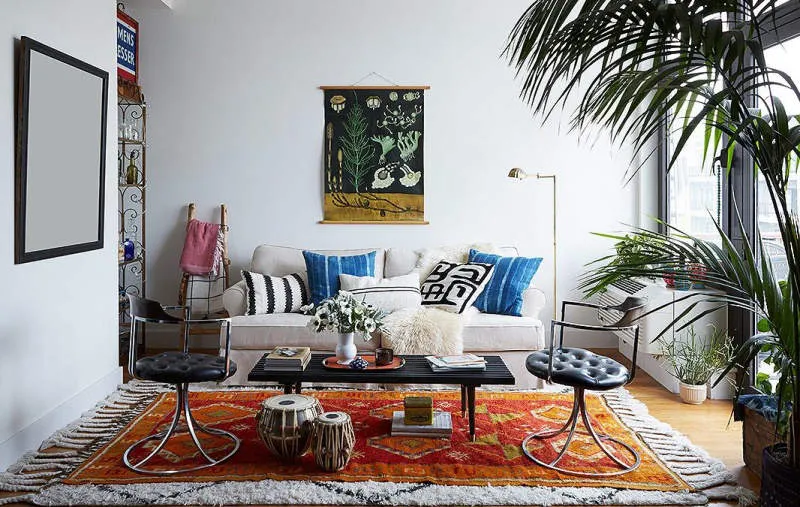
Layered decor involves strategically arranging various elements to create visual interest and depth. This technique utilizes a combination of textures, patterns, and sizes in furniture, accessories, and wall art. Color palettes also play a crucial role, with layering often employing a mix of contrasting and complementary shades. The goal is to achieve a cohesive yet dynamic look, avoiding a flat or monotonous feel.
Successful layering relies on balance. Start with a foundation of larger pieces, like sofas or rugs. Then, introduce mid-sized items such as side tables or lamps. Finally, add smaller accent pieces like throw pillows, books, or decorative objects to add personality and visual richness. Remember to consider scale and proportion to avoid overwhelming the space.
