
Creating a serene and elegant bedroom is easier than you think. This guide explores the art of neutral tone bedroom styling, showcasing how to achieve a sophisticated and calming atmosphere using a carefully curated palette of neutral colors. Discover how subtle variations in texture and carefully chosen accessories can elevate your bedroom design from ordinary to extraordinary, transforming your personal sanctuary into a haven of tranquility and refined style. Learn to master the techniques of neutral bedroom decor and unlock the potential of a truly stylish bedroom.
Within this exploration of elegant bedroom styling, we’ll delve into the versatility of neutral tones, showcasing their ability to create a sense of spaciousness and calm. We’ll cover a range of neutral color palettes, from warm and inviting to cool and minimalist, offering practical advice and inspirational ideas for incorporating these shades into your bedroom design. Learn how to effectively incorporate different textures and materials to add depth and visual interest without compromising the overall sense of serenity. Transform your bedroom into a space that reflects your personal style and promotes ultimate relaxation with our comprehensive guide to neutral bedroom decor.
The Power of Neutral Colors
Neutral colors, such as beige, gray, white, and black, are incredibly versatile in design and possess a unique power to create a sense of calm and sophistication. Their understated elegance allows other elements, like textures and patterns, to stand out, while simultaneously providing a balanced and harmonious backdrop. They are easily adaptable to various styles and trends, making them a timeless choice for any space.
The adaptability of neutral palettes offers flexibility in interior design and fashion. They can be easily paired with bolder colors for an accent, or used alone to create a minimalist aesthetic. Their inherent calmness makes them ideal for creating relaxing environments, while their versatility allows for creative expression without overwhelming the senses.
Creating Calm and Elegance
Achieving a calm and elegant atmosphere involves a deliberate approach to design. Clean lines and a minimalistic aesthetic are key. Consider a neutral color palette, punctuated by subtle pops of color or texture. Natural materials like wood, stone, and linen contribute to a sense of serenity. Ample lighting, both natural and artificial, is essential to enhance the overall feeling of spaciousness and tranquility.
Careful curation of furniture and accessories is crucial. Avoid clutter by selecting only pieces that are both functional and visually appealing. Thoughtful placement of objects creates visual interest without feeling overwhelming. Finally, incorporating elements that promote sensory relaxation, such as soft textiles and calming scents, completes the ambiance of calm elegance.
Beige and Cream Inspirations
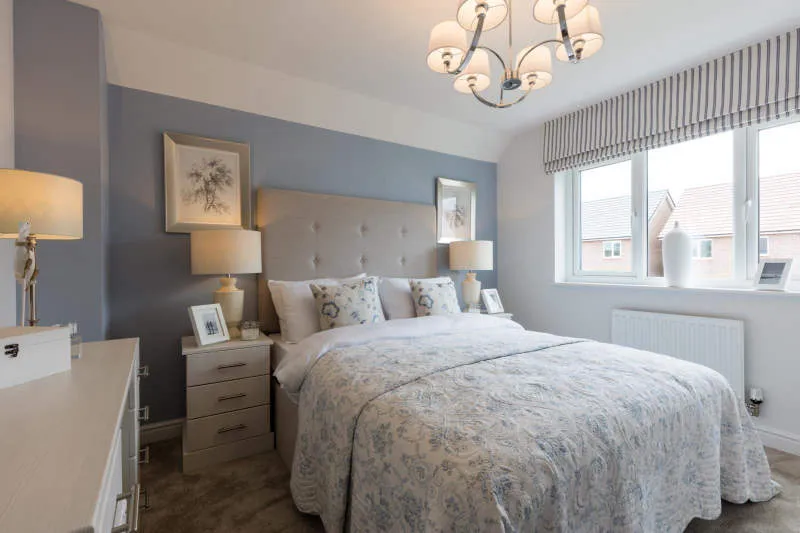
Beige and cream color palettes offer a sense of calm and sophistication. These neutral tones create a versatile backdrop for various design styles, from minimalist to traditional. They evoke feelings of serenity and warmth, making them ideal for spaces where relaxation and comfort are prioritized.
Consider incorporating textured fabrics like linen or wool in beige and cream shades to add depth and visual interest. Accents of natural materials such as wood and rattan complement these colors beautifully, further enhancing the peaceful and inviting atmosphere. The versatility of this palette allows for easy customization with pops of bolder colors or metallic accents as desired.
Soft Fabric Choices for Bedding
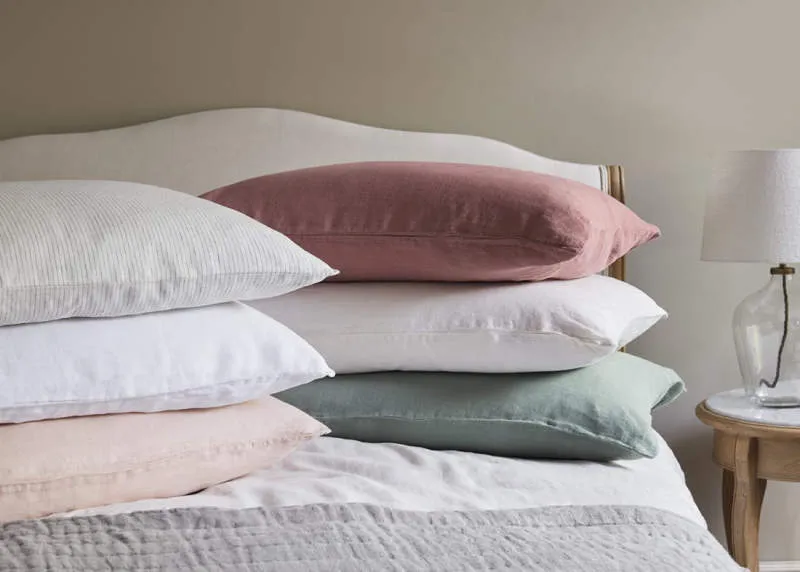
For ultimate comfort, consider percale, a crisp yet soft cotton weave, or flannel, a brushed cotton offering exceptional warmth. Both are durable and easy to care for. Silk provides luxurious softness and a cool feel, but requires more delicate handling.
Other soft options include cotton sateen, a smoother, more lustrous cotton weave, and linen, a breathable and naturally strong fabric that softens with each wash. The best choice depends on your personal preference for texture, warmth, and maintenance.
Minimalist Decor Accessories
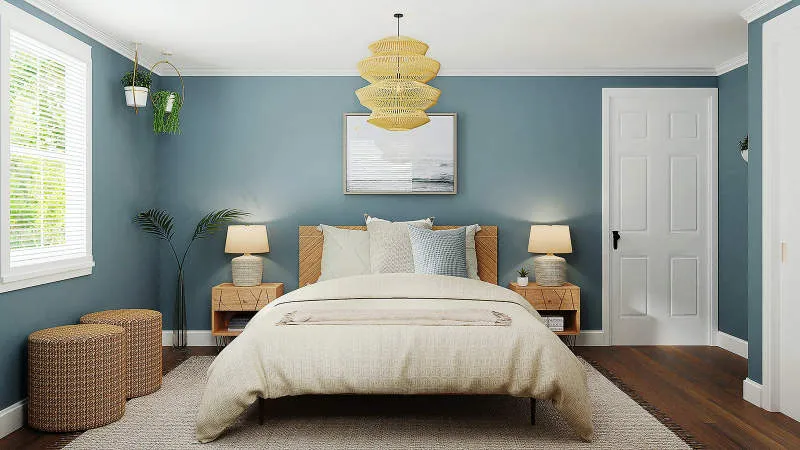
Minimalist decor focuses on simplicity and functionality. Key accessories include clean-lined vases, geometric sculptures, and neutral-toned textiles like throws and cushions. Natural materials such as wood, stone, and cotton are favored for their understated elegance. Avoid clutter and choose items with purpose and lasting appeal.
Less is more is the guiding principle. Instead of many small items, opt for a few carefully chosen statement pieces. Strategic lighting, such as a simple pendant lamp or floor lamp, can greatly enhance the minimalist aesthetic. The overall effect should be calm, uncluttered, and inviting.
Blending Textures Without Clutter
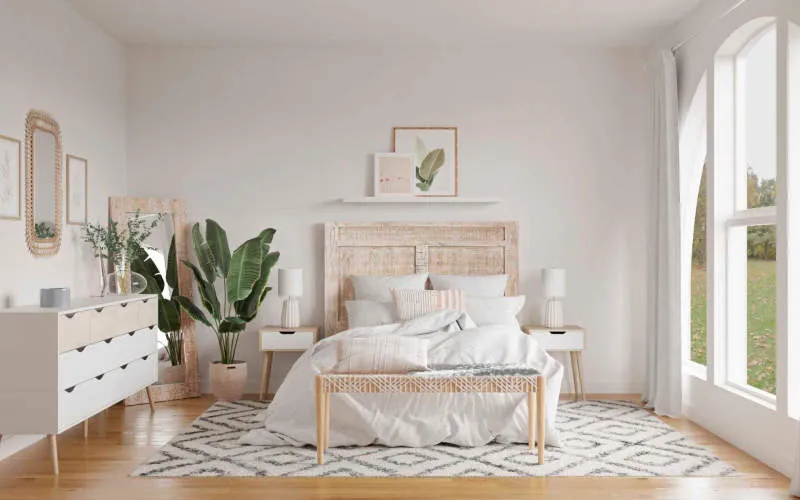
Successfully blending textures in design requires a thoughtful approach. Balance is key; avoid overwhelming the viewer with too many competing textures. Choose a dominant texture and use others sparingly as accents. Consider the visual weight of each texture – rough textures tend to be heavier than smooth ones.
Color plays a crucial role. Similar color palettes unify diverse textures, preventing a chaotic look. Pay close attention to scale; using varied sizes of textures can create visual interest while maintaining harmony. Ultimately, a successful blend creates a cohesive and visually appealing design.
Subtle Accent Lighting Tips
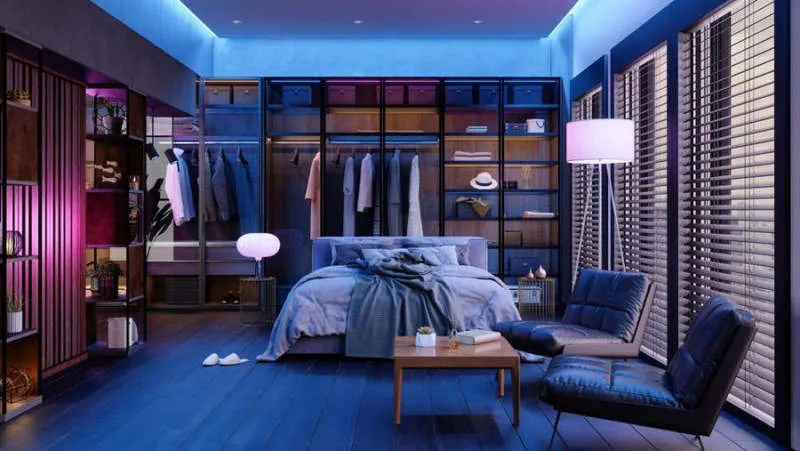
Accent lighting subtly highlights architectural features or artwork, creating a sophisticated ambiance. Choose fixtures that complement your existing style, opting for smaller, less intrusive designs. Consider using LED strip lights tucked away in coves or behind furniture for a soft, diffused glow. Dimmers are crucial for adjusting brightness and creating the perfect mood.
For maximum impact with minimal visibility, prioritize indirect lighting techniques. Uplighting can dramatically highlight textured walls or tall plants, while backlighting subtly outlines shelves or artwork. Remember to consider the color temperature of your bulbs; warmer tones (2700-3000K) generally create a more relaxed atmosphere.
