
Are you dreaming of a more organized and aesthetically pleasing kitchen, but feel limited by a lack of storage space? This article explores creative kitchen shelving ideas that will not only maximize your available space but also add a touch of style to your culinary heart. We’ll delve into various solutions, from utilizing vertical space with innovative shelving units to incorporating open shelving for a contemporary look, all while offering practical tips to help you choose the best shelving solution for your specific needs and kitchen layout.
Transform your kitchen from a cluttered chaos into a functional and visually stunning haven with our curated collection of space-maximizing shelving ideas. Whether you’re dealing with a small galley kitchen or a larger open-plan space, these designs offer clever storage solutions to accommodate all your cookware, dishes, pantry items, and more. Discover how to strategically incorporate corner shelving, floating shelves, and custom-built shelving to create a kitchen that is both beautiful and incredibly efficient, maximizing your kitchen storage and minimizing frustration.
Why Open Shelving Is a Game Changer
Open shelving offers a significant advantage in terms of accessibility and visual appeal. Unlike closed cabinets, open shelving allows for immediate access to frequently used items, eliminating the need for searching and rummaging. The visual display of items also creates a more dynamic and inviting space, allowing for personalized styling and showcasing cherished possessions. This enhanced organization can significantly improve the functionality and aesthetic of any room.
Furthermore, open shelving promotes a sense of airiness and spaciousness, particularly beneficial in smaller rooms. The absence of cabinet doors prevents the feeling of confinement often associated with closed storage solutions. Careful curation of displayed items can also enhance the overall design aesthetic, acting as a focal point and contributing to a more personalized and inviting atmosphere. Choosing the right shelving material and design can integrate seamlessly with existing décor.
When to Use Floating vs. Built-in Shelves
The choice between floating and built-in shelves depends largely on your needs and aesthetic preferences. Floating shelves offer a modern, minimalist look and are easy to install, ideal for showcasing smaller items or adding a touch of décor. They are also a cost-effective solution and easily repositionable, offering flexibility. However, they generally have limited weight capacity and may not be suitable for heavier items or extensive storage needs.
In contrast, built-in shelves provide robust storage and a customizable fit, seamlessly integrating with the existing architecture. They can handle heavier loads and offer more storage capacity. However, built-in shelves are significantly more expensive and labor-intensive to install, making them a more permanent solution less adaptable to future changes.
Stylish Floating Shelves

Floating shelves offer a stylish and space-saving solution for displaying books, plants, decorative items, and more. Their minimalist design creates a clean, modern aesthetic while maximizing vertical space. They are easy to install and come in a variety of materials, colors, and sizes to suit any décor.
Consider the weight capacity and installation method when choosing floating shelves. Ensure they are securely mounted to a stud for optimal support. With careful selection and installation, floating shelves can add both functionality and visual appeal to any room in your home.
Tiered Storage for Easy Access
Tiered storage is a data storage management strategy that uses different storage tiers with varying performance characteristics and costs. This allows organizations to store frequently accessed data on faster, more expensive storage (like SSDs), while less frequently accessed data resides on slower, cheaper storage (like HDDs or cloud storage). This approach optimizes cost and performance by balancing access speed with storage expense.
By strategically placing data based on its usage patterns, tiered storage systems improve overall efficiency. This results in faster application response times for frequently used information and cost savings from storing less active data on less expensive media. Data lifecycle management policies often automate the movement of data between tiers, ensuring optimal resource utilization.
Corner Shelf Utilization

Corner shelves are a space-saving solution for maximizing storage in any room. Their unique design allows them to efficiently utilize often-unused corner space, preventing clutter and improving overall organization. They are versatile and can be used in kitchens, bathrooms, bedrooms, or offices to store a variety of items, from books and toiletries to spices and cleaning supplies. Proper placement and size selection are crucial for optimal usability.
To effectively utilize corner shelves, consider the items you wish to store. Choose shelves with appropriate dimensions and materials to support the weight and withstand the environment. Accessibility is another key factor; ensure items are easily reachable without excessive stretching or straining. Aesthetic appeal should also be considered, selecting a style that complements the existing décor.
Mixing Shelves with Hanging Rails
Maximize your closet space by combining shelves and hanging rails. Shelves are ideal for folded items like sweaters and jeans, while hanging rails are perfect for dresses, suits, and shirts that wrinkle easily. This combination provides a flexible and efficient storage solution, catering to various clothing types and maximizing vertical space.
Strategic placement is key. Consider placing hanging rails at a comfortable height for easy access to frequently worn items, and shelves above or below for less frequently used items or folded accessories. This balanced approach ensures that your closet remains both organized and user-friendly.
Minimalist Shelf Styling Tips
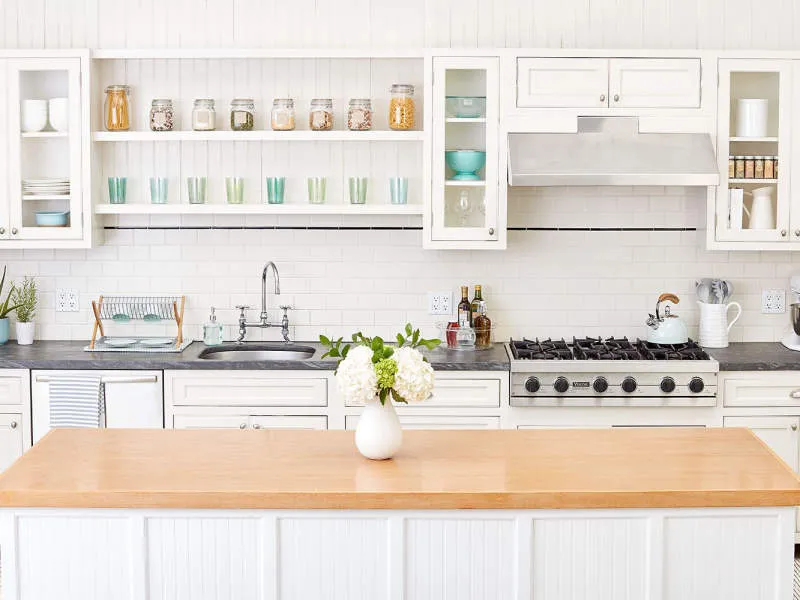
Achieving a minimalist look on your shelves involves careful curation and strategic placement. Start by decluttering completely; only keep items that bring you joy or serve a practical purpose. Group similar items together for a cohesive aesthetic. Utilize negative space – don’t overcrowd the shelves. Vary the heights and textures of your items to add visual interest while maintaining a sense of calm and order.
Consider a limited color palette, perhaps sticking to neutrals or a single accent color. Focus on quality over quantity, selecting a few well-chosen items rather than many trinkets. Finally, maintain a sense of balance and symmetry, ensuring the weight and visual impact of objects are evenly distributed across the shelf. By following these tips, you can create a stylish and uncluttered display that reflects a minimalist lifestyle.
Materials to Choose for Shelving
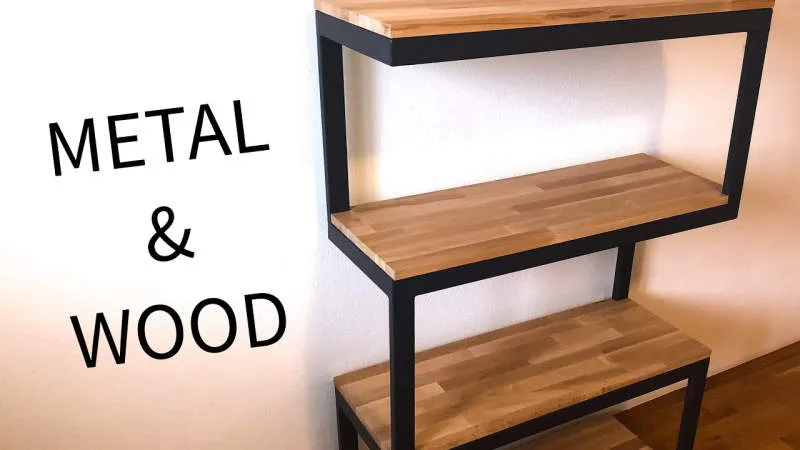
Choosing the right shelving material depends on your needs and budget. Wood offers a classic, versatile look and is relatively easy to work with, but can be more expensive and susceptible to moisture damage. Metal shelving, such as steel or aluminum, is durable, affordable, and easy to clean, ideal for heavier loads and damp environments. Melamine is a budget-friendly option that’s durable and easy to maintain, but less aesthetically pleasing than wood.
Consider the intended use of your shelving. For a home library, wood might be preferable. A garage or workshop might benefit from the strength and durability of metal. If you need temporary shelving or a cost-effective solution, melamine is a good choice. Think about the weight capacity needed and the overall style you want to achieve.
Combining Function with Aesthetics
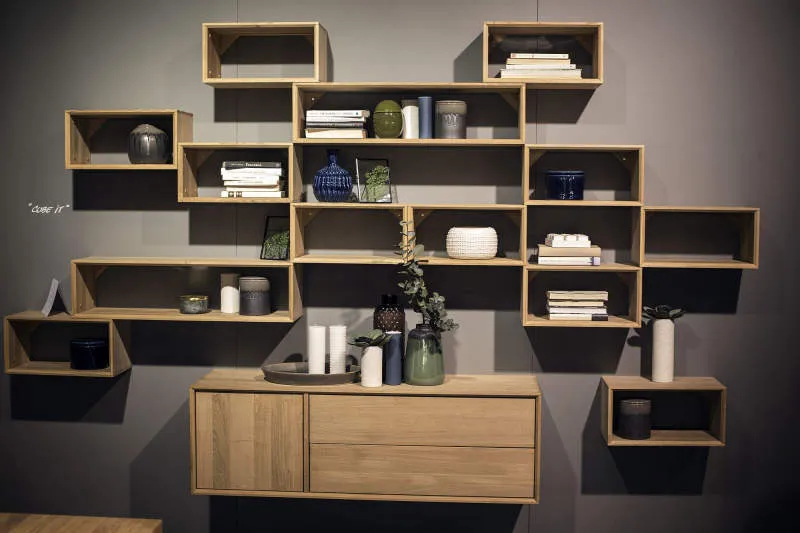
Successful design hinges on the seamless integration of functionality and aesthetics. A product or system might perform its intended task flawlessly, but if it lacks visual appeal or user-friendliness, it’s unlikely to be widely adopted. Conversely, a beautiful object with poor functionality is ultimately unsatisfying.
The key lies in a balanced approach. Effective design prioritizes user needs and clear functionality while simultaneously considering visual appeal, intuitive navigation, and overall user experience. This harmonious blend creates solutions that are both efficient and engaging, ultimately leading to greater user satisfaction and success.
Shelf Lighting Integration
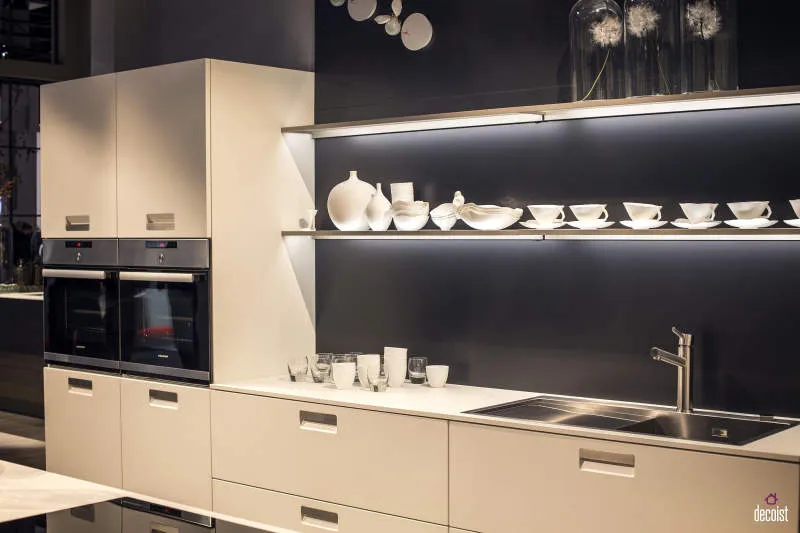
Shelf lighting integration enhances the visual appeal and functionality of shelving units. Proper lighting strategically highlights displayed items, improving visibility and creating a more inviting and organized space. Options range from simple LED strip lights to more sophisticated systems with adjustable brightness and color temperature.
Successful integration depends on factors like shelf material, desired ambiance, and power source availability. Consider the type of light (LED, incandescent, etc.), placement (under, above, or within shelves), and brightness needed for optimal visibility. Careful planning ensures a seamless and effective lighting solution.
Keeping Shelves Organized and Beautiful

Organizing shelves effectively involves a combination of strategies. Start by purging unwanted items. Then, group similar items together for a cohesive look. Utilize storage solutions like baskets, bins, and dividers to contain clutter and maximize space. Consider vertical space and utilize shelf risers for added capacity.
Aesthetics are equally important. Maintain a balanced look by varying the heights and sizes of items. Color coordination can create a visually appealing display. Incorporate decorative elements like small plants or framed photos to personalize your shelves and add visual interest. Regularly decluttering will help maintain both organization and beauty.
