
Embrace the captivating allure of modern boho home aesthetics. This design trend seamlessly blends the relaxed vibes of bohemian style with the clean lines and functionality of modern design, creating a unique and inviting atmosphere. Discover how to incorporate earthy textures, global influences, and natural elements into your living space to achieve a sophisticated yet eclectic look that reflects your personality and embraces the latest interior design trends.
Explore the exciting world of modern boho décor, where neutral palettes meet vibrant pops of color, and handcrafted furniture sits alongside sleek, minimalist pieces. We’ll delve into the key elements that define this style, from the use of rattan and macrame to the incorporation of plants and textiles. Learn how to create a space that’s both stylish and functional, effortlessly blending comfort and contemporary design to achieve the perfect modern boho haven. Prepare to be inspired by the versatility and charm of this increasingly popular aesthetic.
The Evolution of Boho Style
Bohemian style, or boho, has evolved significantly since its origins in the 1960s counterculture movement. Initially characterized by a rejection of mainstream fashion, early boho embraced eclectic elements like flowing fabrics, layered textures, and ethnic-inspired prints. This reflected a yearning for freedom and self-expression, often incorporating vintage and handmade pieces.
Over time, boho has adapted to modern trends while retaining its core values. Contemporary boho maintains its laid-back aesthetic, but often features more refined silhouettes and higher-quality materials. The emphasis remains on individuality and comfort, but with a greater focus on thoughtful layering and curated accessories, resulting in a more polished and sophisticated look.
Balancing Boho with Modern Simplicity
The boho chic aesthetic, known for its eclectic mix of textures, patterns, and natural elements, can easily feel overwhelming. Achieving a balanced look requires incorporating principles of modern simplicity. This involves curating a collection of carefully chosen pieces, focusing on a neutral color palette as a base, and highlighting a few key statement pieces rather than overwhelming the space with excessive décor.
To successfully blend these styles, prioritize clean lines and minimal clutter. Use natural materials like wood, rattan, and cotton in a cohesive manner. Incorporate geometric patterns subtly to add visual interest without sacrificing a sense of calm and order. The key is to carefully select functional and visually appealing items that create a space that feels both relaxed and sophisticated.
Earth-Inspired Color Schemes
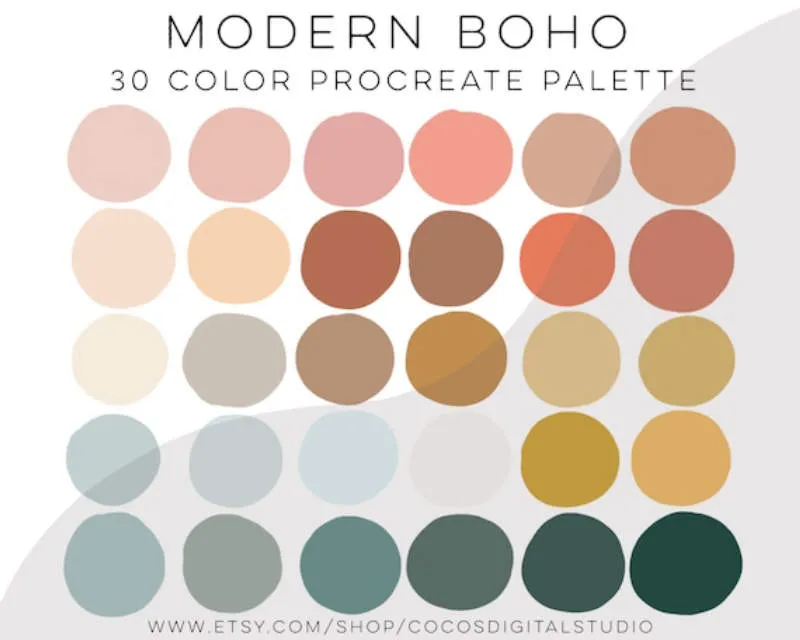
Earth-toned color palettes draw inspiration from the natural world, offering a calming and versatile aesthetic. Think warm browns reminiscent of soil, muted greens echoing lush vegetation, and soothing blues evocative of clear skies and oceans. These palettes create a sense of tranquility and connection to nature, making them ideal for various design projects.
Popular earth-tone combinations include terracotta and sage green, sand and deep blue, or charcoal grey and burnt orange. The versatility of these schemes allows for both modern minimalist and rustic farmhouse styles, showcasing their adaptability and timelessness.
Macramé and Handwoven Touches
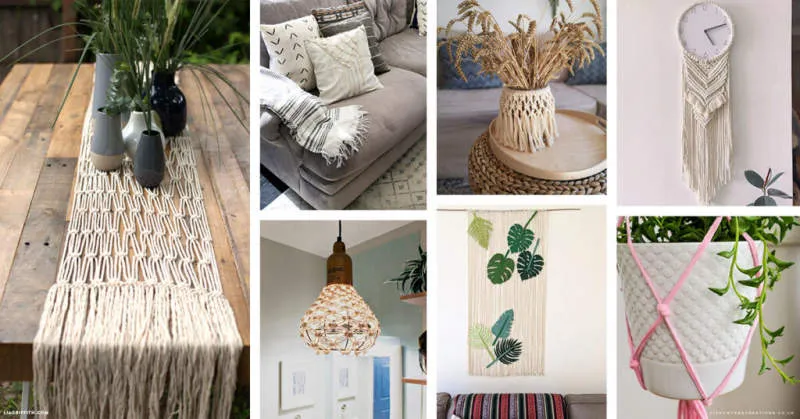
Macramé and handwoven techniques offer unique textures and patterns for home décor. These crafts, often using natural fibers like cotton or jute, create a rustic and artisanal feel. From wall hangings to plant hangers and coasters, these items add a touch of handmade warmth to any space.
Versatile and stylish, macramé and handwoven pieces complement various interior design styles. Whether you prefer a minimalist aesthetic or a bohemian vibe, these handcrafted items provide a personalized and eye-catching element. Their durability and timeless appeal make them cherished additions to your home.
Layered Rugs and Throws
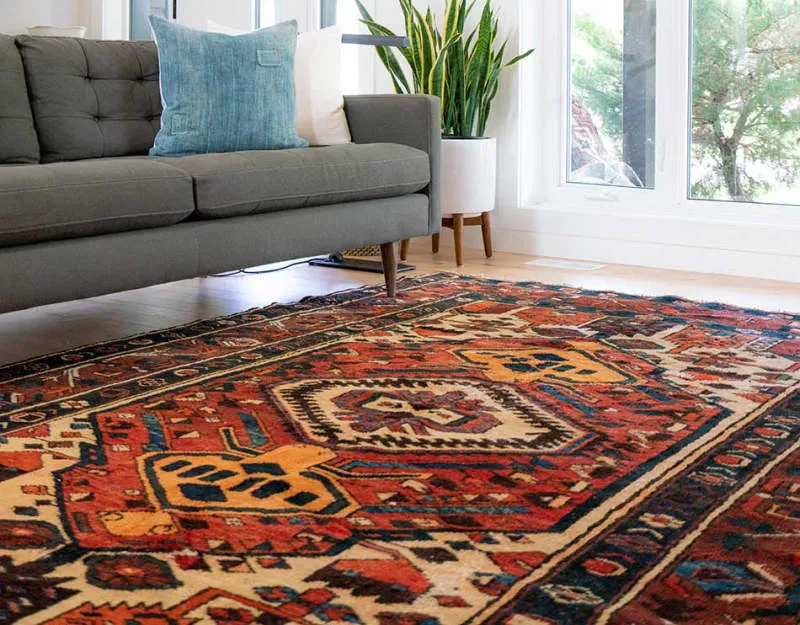
Layering rugs and throws adds depth and texture to any room. A larger rug provides a foundation, while smaller rugs or throws layered on top create visual interest and can define different areas within a space. This technique allows for personalized style and increased comfort, especially in colder climates.
Consider texture contrast when layering—a fluffy rug paired with a jute rug, for example. Color coordination is also key; choose rugs and throws in complementary shades or patterns to create a cohesive look. Experiment with different materials and sizes to achieve your desired aesthetic, transforming a simple floor or sofa into a stylish and cozy focal point.
Global Decor Influence
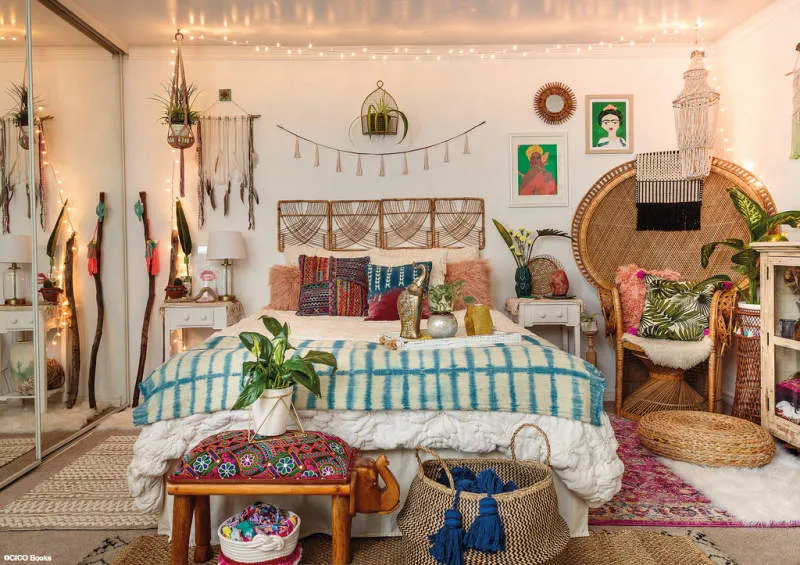
Global decor styles blend elements from various cultures, creating unique and eclectic interiors. Influences range from the minimalist aesthetic of Japanese design to the vibrant colors and patterns of Moroccan decor, and the rustic charm of French Country style. These diverse influences allow for personalized spaces reflecting individual tastes and travel experiences.
The popularity of global decor stems from a desire for individuality and a celebration of diverse cultures. Sustainability is also a growing influence, with homeowners incorporating reclaimed materials and ethically sourced pieces into their designs. The resulting spaces are not only visually appealing but also reflect a commitment to global awareness and responsible consumption.
Curated Clutter Technique
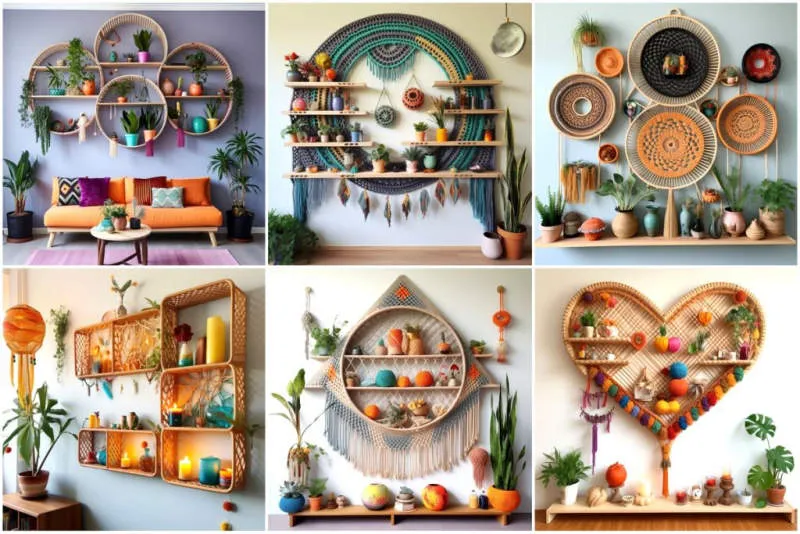
The Curated Clutter technique isn’t about eliminating all clutter; it’s about embracing a mindful approach to the things you own. Instead of striving for a minimalist aesthetic, it focuses on surrounding yourself with items that bring you joy, purpose, or meaning. This involves actively choosing what stays and what goes, resulting in a space that feels both organized and personally expressive.
Implementation involves a thorough assessment of your belongings. Ask yourself: Does this item bring me joy? Does it serve a practical purpose? Does it hold sentimental value? Items that fail to meet these criteria can be donated, sold, or discarded, leaving behind a collection of objects that genuinely enrich your life. This results in a more intentional and satisfying living space.
