
Achieve a modern home aesthetic that exudes tranquility with our guide to clean lines and calm vibes. Discover how to curate a space that reflects your personal style while embracing the minimalist design principles that are trending now. We’ll explore the key elements of creating a serene living environment, from furniture selection and color palettes to the incorporation of natural light and texture. Learn how to transform your house into a haven of peace and sophistication.
This article delves into the specifics of creating a clean-lined modern home. We will unpack the essential design elements that contribute to a calm and inviting atmosphere. Learn how to select furniture with sleek silhouettes, utilize a neutral color scheme to maximize light and space, and incorporate natural materials for a touch of organic warmth. Transform your living spaces into stylish and relaxing retreats with our expert advice on achieving a modern aesthetic with clean lines and calm vibes.
Defining the Modern Aesthetic in Interiors
The modern aesthetic in interior design prioritizes clean lines, minimalism, and a focus on functionality. It often features a neutral color palette with pops of color used sparingly, incorporating natural materials like wood and stone, and showcasing simple, uncluttered spaces. Open floor plans and an abundance of natural light are also hallmarks of this style.
While embracing simplicity, modern design doesn’t sacrifice comfort or personality. It’s characterized by a sophisticated blend of streamlined furniture, carefully chosen accessories, and an overall feeling of calm and order. The emphasis is on quality over quantity, highlighting pieces with enduring style and craftsmanship rather than fleeting trends.
Choosing a Minimal Yet Functional Style
Minimalist design prioritizes functionality and simplicity. It emphasizes clean lines, a limited color palette, and the strategic removal of unnecessary elements. The goal is to create a space or product that is both aesthetically pleasing and highly usable, focusing on the core purpose and eliminating distractions. This approach promotes clarity and efficiency, making interaction intuitive and straightforward.
Key considerations when adopting a minimalist style include careful selection of materials, a focus on quality over quantity, and intentional placement of design elements. Understanding the user’s needs and prioritizing their experience are crucial for successfully implementing a minimal yet functional design that is both visually appealing and truly effective.
Using Geometric Shapes
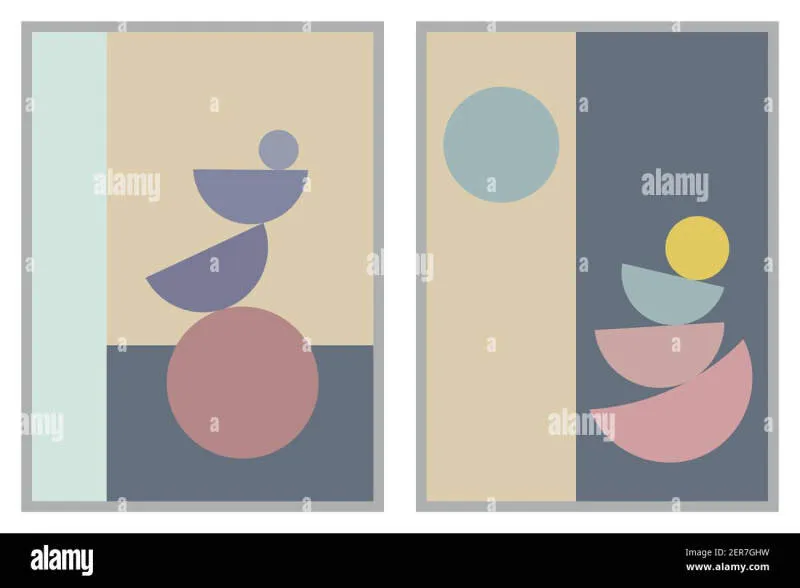
Geometric shapes are fundamental building blocks in various fields. Design utilizes them for creating visually appealing and functional layouts. Architecture employs them for structural integrity and aesthetic appeal. Mathematics uses them as the basis for numerous theorems and calculations. Understanding their properties—area, perimeter, volume—is crucial for practical applications.
The application of geometric shapes extends to art, where they form the basis of compositions and perspectives. Engineering relies heavily on them in designing machines and structures. Even in everyday life, we encounter geometric shapes in countless forms, from the circular shape of a wheel to the rectangular shape of a screen. Their versatility and predictability make them invaluable tools.
Open Space Concepts
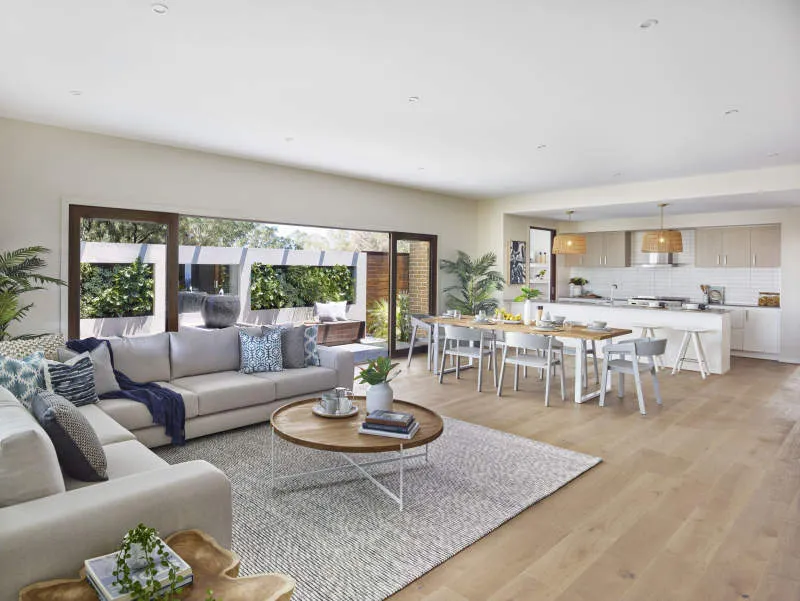
Open space concepts prioritize the integration of natural elements and unconfined areas within the built environment. This approach emphasizes the importance of green spaces, parks, and natural landscapes for improving quality of life, promoting physical and mental well-being, and fostering a connection with nature. Key design principles include maximizing natural light, ventilation, and views of nature, while minimizing the environmental impact of construction and operation.
Successful implementation often involves careful planning and consideration of site context, community needs, and sustainability. Key benefits include reduced stress levels, enhanced biodiversity, improved air quality, and increased property values. Different scales of open space, from pocket parks to large regional preserves, can contribute significantly to a healthier and more resilient community.
Contrasting Textures

Texture in design refers to the surface quality of a material, how it feels or looks like it would feel. Contrasting textures involve using materials or patterns with significantly different tactile or visual qualities. For example, pairing smooth glass with rough-hewn wood creates a strong contrast. This contrast can add visual interest and depth to a design, drawing the eye and creating a dynamic composition.
Effective use of contrasting textures enhances the overall impact. Consider the weight and scale of the textures when combining them; a delicate lace against heavy linen is a good example. The contrast should be intentional and contribute to the design’s purpose, rather than feeling haphazard or jarring. Balance is key to successful texture contrast.
Muted Tones and Accent Highlights
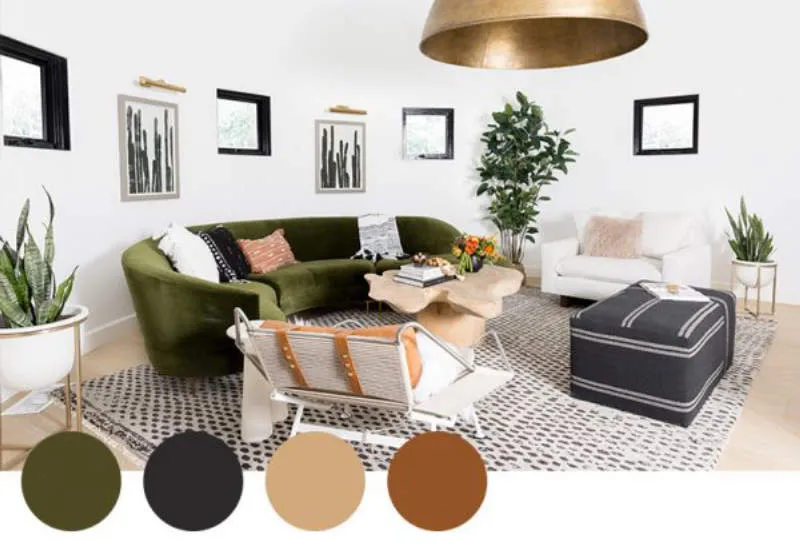
The use of muted tones in design creates a calming and sophisticated atmosphere. These subdued colors, such as soft grays, muted blues, and earthy greens, form a neutral backdrop that allows accent colors to truly pop. This technique is versatile and can be applied to various design projects, from websites to interior spaces.
Strategic placement of accent highlights is key to this approach. Bright, bold colors are used sparingly to draw attention to important elements, providing visual interest and emphasizing key features without overwhelming the overall aesthetic. The contrast between the muted base and vibrant accents creates a balanced and visually appealing design.
Simple Decor Pieces to Consider
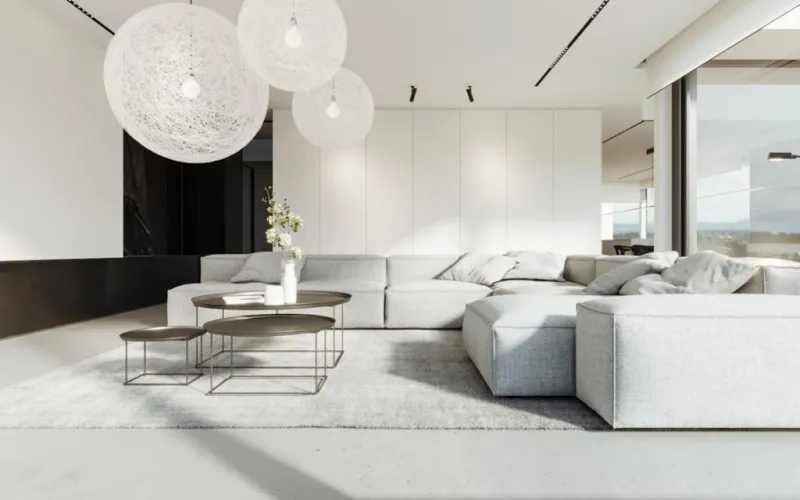
Transforming your space doesn’t require a major overhaul. Simple decor pieces can make a big difference. Consider adding a few throw pillows in coordinating colors to instantly liven up your sofa. A stylish rug can define a seating area and add warmth. Greenery, whether a small potted plant or a vibrant bouquet, injects life and color. Even a unique candle or decorative bowl can add personality and visual interest.
For a more impactful change, strategically place mirrors to create the illusion of more space and reflect light. Wall art, such as a framed print or a gallery wall of smaller pieces, adds personality and can be easily swapped out to refresh the look. Remember to focus on items that reflect your personal style and bring you joy; the goal is to create a space that feels comfortable and inviting.
What to Avoid in Modern Aesthetic
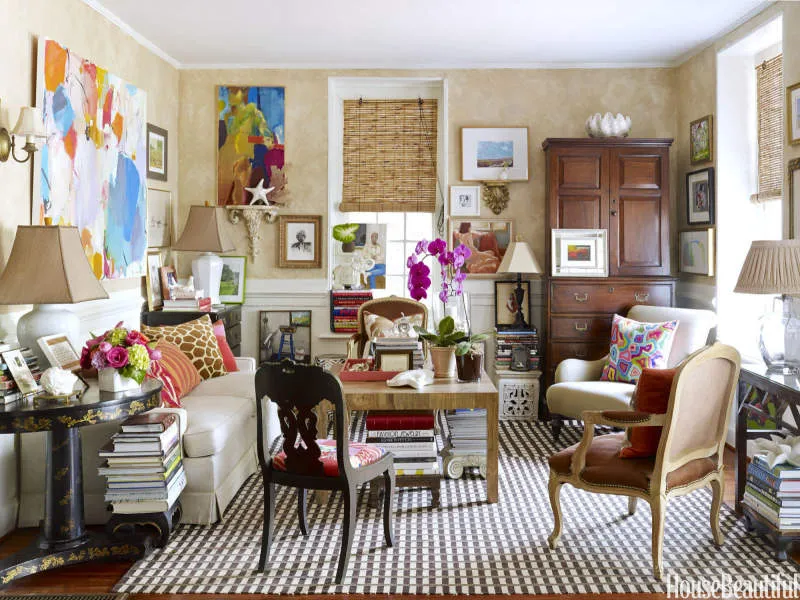
To achieve a truly modern aesthetic, avoid overly cluttered spaces. Minimize unnecessary items and embrace clean lines and a sense of openness. Steer clear of excessively busy patterns and overly ornate details; instead, favor minimalist designs and a neutral color palette with pops of carefully chosen accent colors.
Furthermore, resist the urge to mix too many different design styles. A cohesive look is key. Avoid outdated or trend-driven pieces that will quickly date your space. Focus on quality materials and timeless pieces that will stand the test of time and create a sophisticated, enduring aesthetic.
