
Transform your bedroom into a tranquil scenic retreat with our guide to nature-inspired decor. Discover how to create a calming and visually stunning space using organic materials, earthy tones, and carefully selected elements that bring the beauty of the outdoors in. Learn how to incorporate scenic bedroom styling techniques to achieve a harmonious and restful atmosphere perfect for relaxation and rejuvenation. We’ll explore various design ideas, from incorporating natural textures like wood and stone to the strategic placement of plants and artwork that evoke the serenity of nature.
This article will delve into the specifics of scenic bedroom design, offering practical advice and inspiring visuals. We will cover everything from choosing the right color palettes that reflect the calmness of nature to selecting furniture and accessories that enhance the overall scenic aesthetic. Whether you prefer a minimalist approach or a more maximalist style, we’ll provide actionable steps to create a personalized nature-inspired bedroom that reflects your unique taste and promotes a sense of peace and well-being. Prepare to be inspired by the breathtaking possibilities of scenic bedroom styling.
Why Bring Nature into Your Bedroom
Introducing natural elements into your bedroom offers numerous benefits for your well-being. Studies show that exposure to nature reduces stress and improves sleep quality. Plants, for example, can purify the air and create a calming atmosphere. Natural materials like wood and cotton contribute to a more relaxing and comfortable sleeping environment, promoting better rest.
Beyond the physiological advantages, incorporating nature into your bedroom design can enhance the aesthetic appeal of the space. Natural colors and textures can create a serene and inviting ambiance, fostering a sense of tranquility and peace. This contributes to a more restful and rejuvenating sleep experience, leaving you feeling refreshed and revitalized in the morning.
Design Principles of Nature-Inspired Spaces
Nature-inspired design prioritizes biophilic principles, integrating natural elements to enhance well-being. Key elements include natural light, ventilation, and the incorporation of natural materials like wood, stone, and plants. These elements contribute to a calming and restorative environment, reducing stress and improving productivity. Careful consideration of spatial organization, mimicking natural patterns and forms, further strengthens the connection to nature.
Successful nature-inspired design also focuses on sensory stimulation. This involves incorporating elements that engage multiple senses—sight through natural textures and colors, sound through natural soundscapes, and touch through natural materials. Sustainability is a crucial component, prioritizing environmentally friendly materials and construction methods to minimize the ecological impact. The overall goal is to create spaces that are not only aesthetically pleasing but also promote health, well-being, and environmental responsibility.
Earthy Color Choices for Relaxation
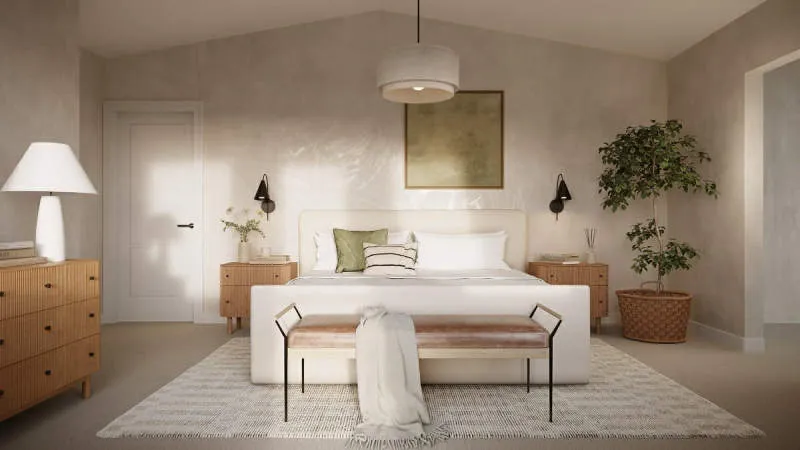
Earthy tones, such as greens, browns, and beige, are excellent choices for creating a relaxing atmosphere. These colors evoke a sense of calm and connection to nature, promoting a peaceful and tranquil environment. Think of deep forest greens, sandy beiges, and rich terracotta browns – shades that are both grounding and visually appealing.
Subtle variations within the earthy palette can add depth and visual interest without sacrificing the calming effect. For instance, combining a muted olive green with a creamy beige can create a sophisticated and restful space. Remember to consider the lighting in your space when choosing your specific shades, as this will affect how the colors appear.
Botanical Wallpapers and Murals
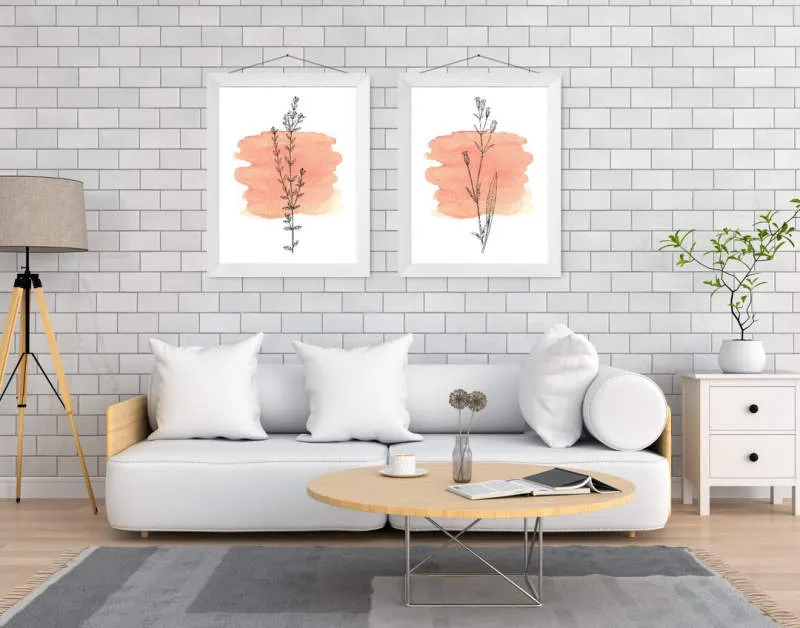
Botanical wallpapers and murals bring the beauty of nature indoors, offering a wide variety of designs featuring flowers, leaves, plants, and other botanical elements. They can transform any space, adding a touch of elegance, tranquility, or vibrancy depending on the chosen style and color palette. Popular choices include realistic depictions of individual blooms, intricate patterns formed from botanical illustrations, and abstract interpretations of natural forms.
These decorative options are available in various materials, from traditional wallpaper to high-quality murals printed on fabric or non-woven substrates. Consider factors like durability, ease of application, and lightfastness when selecting a botanical wallpaper or mural to ensure its longevity and visual impact. They’re a versatile choice for bedrooms, living rooms, dining rooms, and even offices, adding a unique and personalized touch to any interior design.
Linen and Cotton Bedding
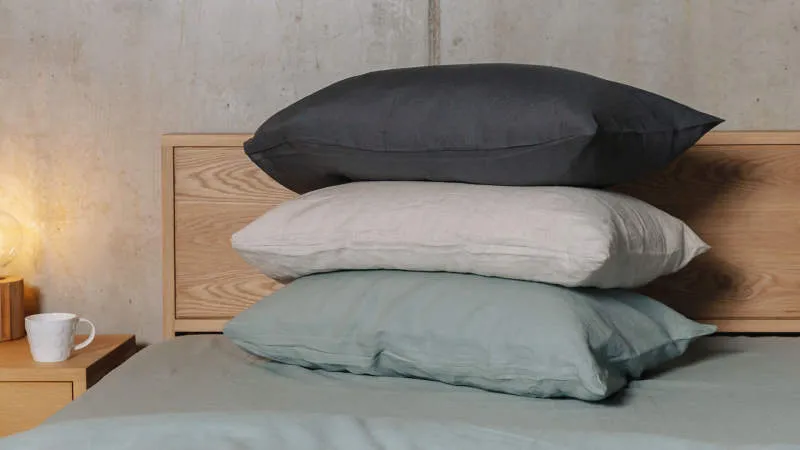
Linen bedding is known for its luxurious feel, breathability, and durability. It gets softer with each wash and is naturally resistant to wrinkles. However, it can be more expensive than cotton and may require more specific care instructions. Cotton bedding, on the other hand, offers a softer, more affordable option that is widely available in various thread counts and weaves. It’s easy to care for and generally comfortable, though it may not be as breathable as linen.
The best choice depends on your priorities. If durability, breathability, and a slightly more rustic feel are important, linen is a great option. If you prioritize softness, affordability, and easy care, cotton is likely the better choice. Consider your budget and personal preferences when making your decision.
Wooden Furniture and Accents

Wooden furniture offers a timeless appeal, bringing warmth and natural beauty to any space. From sturdy tables and chairs to elegant cabinets and shelving, wood provides a versatile and durable foundation for your home décor. Its inherent strength and lasting quality make it a worthwhile investment.
Adding wooden accents, such as decorative bowls, trays, or picture frames, can further enhance the aesthetic. These pieces can complement existing furniture or serve as standalone decorative elements, contributing to a cohesive and inviting atmosphere. The variety of wood types and finishes allows for customization and personalized style.
Stone and Ceramic Decor Touches
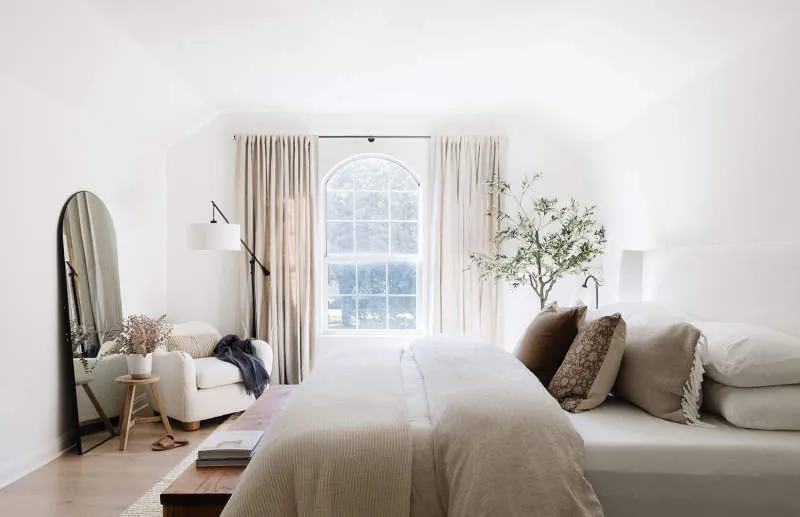
Stone and ceramic elements add a touch of natural elegance and durability to any space. Stone, whether it’s marble, granite, or slate, brings a sense of timeless sophistication, ideal for countertops, flooring, or accent walls. Its texture and variation in color create a unique aesthetic. Meanwhile, ceramic offers versatility in both style and application. From delicate porcelain vases to rustic terracotta pots, ceramic pieces inject personality and warmth, complementing various design themes.
Consider using stone tiles for a backsplash to add visual interest and easy maintenance to a kitchen. Ceramic tableware can enhance the dining experience with its unique patterns and textures. For a more dramatic effect, integrate a large stone fireplace surround as a statement piece. The possibilities are endless when blending the enduring qualities of stone and the artistic flair of ceramic in your home decor.
Nature-Themed Art and Photography
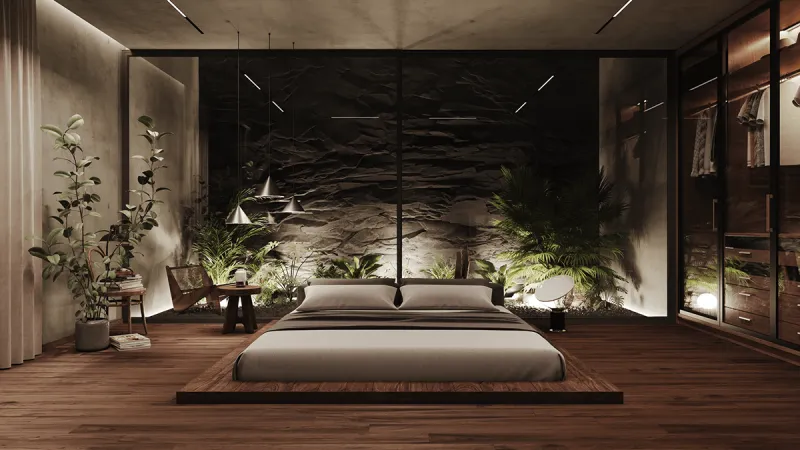
Nature-themed art and photography capture the beauty and wonder of the natural world. Artists and photographers utilize diverse mediums, from painting and sculpture to digital photography and mixed media, to depict landscapes, wildlife, and botanical subjects. The goal is often to evoke emotion, inspire appreciation for the environment, or document the intricate details of the natural world. Common themes include forests, mountains, oceans, wildlife portraits, and floral studies.
The impact of nature-themed art is significant. It can promote environmental awareness, foster a sense of connection with nature, and offer a source of solace and inspiration. The artistic interpretation allows for diverse perspectives on ecological issues and the intrinsic beauty of the planet, often encouraging viewers to appreciate and protect our natural resources. Different styles range from realistic depictions to abstract interpretations, each offering a unique approach to portraying nature’s splendor.
Eco-Friendly Lighting Ideas
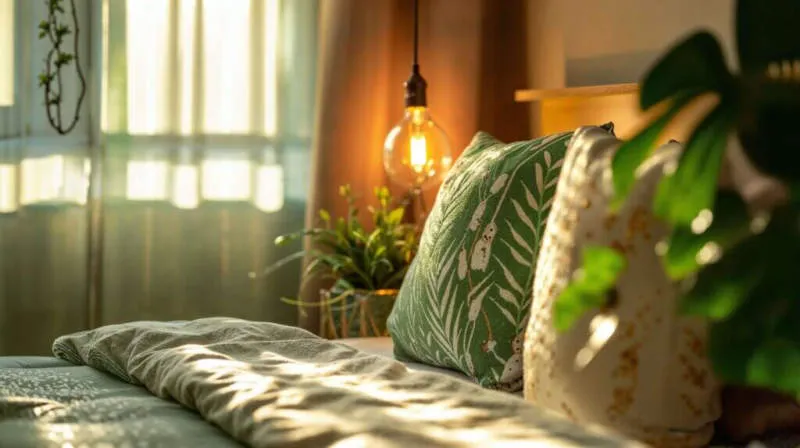
Switching to energy-efficient lighting is a simple yet impactful way to reduce your carbon footprint. Consider replacing incandescent bulbs with LEDs or CFLs, which use significantly less energy and last much longer. Smart bulbs offer additional energy savings through automated controls and scheduling features. Remember to utilize natural light whenever possible by opening curtains and blinds during the day.
Beyond bulb type, consider the overall lighting design of your space. Strategic placement of fixtures can minimize the number of lights needed while maximizing illumination. Employing dimmable switches allows for customized brightness levels, further reducing energy consumption. Finally, choose fixtures made from recycled or sustainable materials to minimize environmental impact throughout the product lifecycle.
Essential Oils and Natural Scents
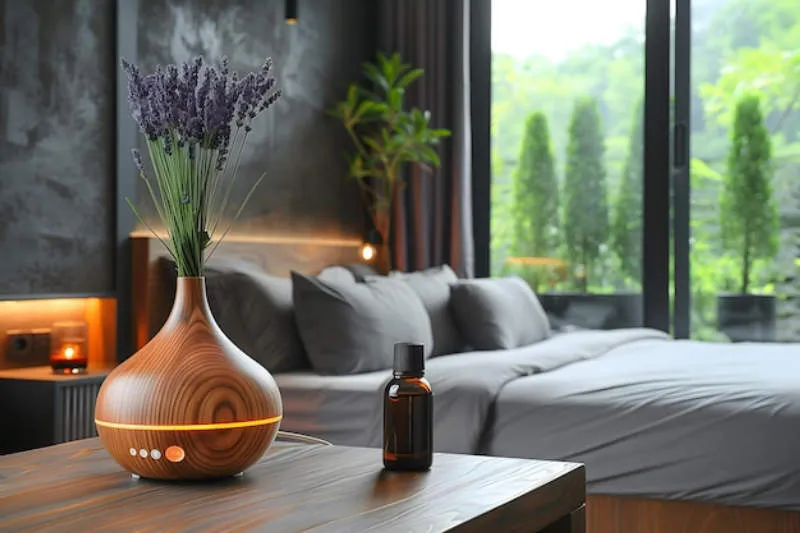
Essential oils are concentrated aromatic compounds extracted from plants. They possess various properties, including therapeutic and aromatic benefits. Popular uses include aromatherapy for relaxation, stress reduction, and improved mood, as well as topical application for skin and hair care. Safety precautions are important, as some oils can be irritating or cause allergic reactions. Always dilute essential oils before applying them to the skin and conduct a patch test beforehand.
Many natural scents, beyond essential oils, offer similar advantages. Floral scents, such as lavender and rose, can be calming, while citrus scents, like lemon and orange, are often uplifting. These scents can be incorporated into daily life through candles, diffusers, soaps, and other products. Choosing natural, high-quality products ensures a purer and more beneficial experience.
Window Treatments for Natural Light
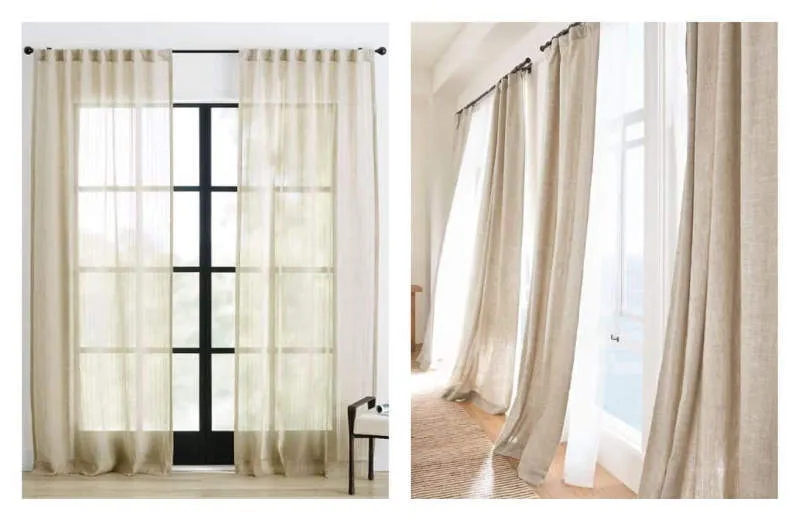
Maximizing natural light while maintaining privacy and controlling temperature is key when choosing window treatments. Consider sheer curtains or blinds for optimal light diffusion. These allow ample natural light to enter while still offering a degree of privacy. Roller shades and cellular shades are also good choices, providing varying levels of light control and insulation.
For rooms requiring more privacy or light blocking, layered treatments work best. Combining sheer curtains with heavier drapes allows for flexibility; you can open the drapes fully for maximum light, or close them for privacy and darkness. Consider the fabric; lighter fabrics allow more light through than heavier ones. Choosing the right window treatment depends on your individual needs and preferences for light, privacy, and insulation.
