
Transform your open-plan kitchen into a stylish and functional space with effortless techniques. This article explores simple yet effective kitchen styling ideas specifically designed for open-concept homes. Discover how to seamlessly integrate your kitchen with the surrounding living areas, creating a cohesive and aesthetically pleasing environment. Learn to maximize your space with clever storage solutions and minimalist design principles, achieving a clean and uncluttered look that’s both inviting and effortlessly chic. Whether you’re a seasoned design aficionado or a kitchen novice, these easy-to-follow tips will elevate your culinary heart of the home.
We’ll delve into the art of open kitchen organization, showcasing how to maintain a sense of order even in a busy household. From incorporating smart storage solutions and decluttering techniques to choosing the right color palettes and lighting, we’ll provide you with the tools to create an open kitchen design that is both visually appealing and highly practical. Master the balance between form and function to create an open kitchen that’s not only beautiful, but also a joy to cook and live in. Prepare to unlock the potential of your open-plan space with our expert effortless kitchen styling guide.
Why Open Kitchens Are Popular
Open kitchens have gained significant popularity due to their ability to foster a greater sense of family togetherness and social interaction. The absence of walls allows for seamless flow between the kitchen and adjacent living spaces, creating a more welcoming and inclusive environment for both cooking and entertaining. This design choice promotes a feeling of openness and spaciousness, particularly beneficial in smaller homes.
Beyond social benefits, open kitchens are also often favored for their aesthetic appeal. They can visually expand a home’s footprint and allow for a more integrated and modern design aesthetic. The increased natural light and unobstructed views can significantly enhance the overall ambiance and increase property value.
Flow and Layout in Open Spaces
Effective flow and layout in open-plan spaces are crucial for productivity and well-being. Careful consideration must be given to the placement of workstations, meeting areas, and circulation paths to minimize distractions and promote collaboration. Strategic use of furniture, such as screens and partitions, can help define zones and manage noise levels, while maintaining a sense of openness and connection.
Designing for optimal flow often involves creating a natural progression through the space, guiding movement intuitively. This might include establishing clear pathways, incorporating visual cues, and ensuring adequate space for comfortable passage. Accessibility for all users, including those with mobility impairments, should be a primary consideration throughout the design process. The goal is to create a space that is both functional and aesthetically pleasing, maximizing both individual and collective efficiency.
Matching Kitchen to Living Room
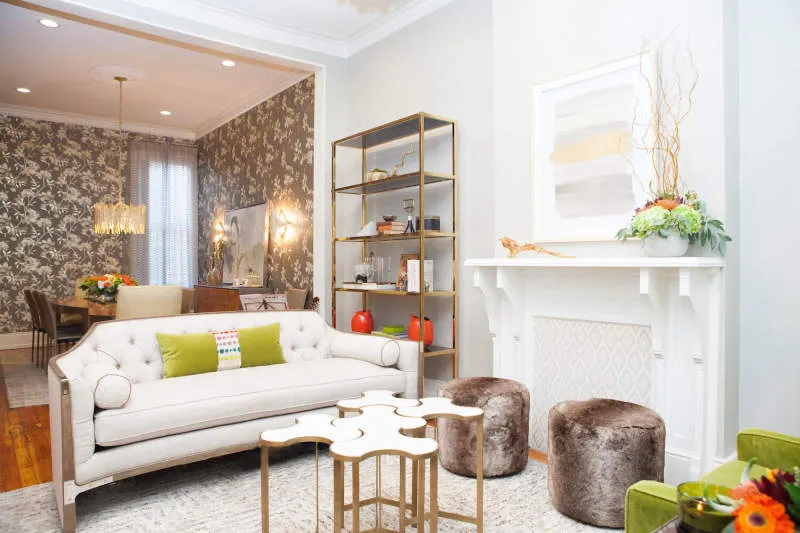
Creating a cohesive flow between your kitchen and living room is crucial for a harmonious home. Consistency in design elements like flooring, color palettes, and materials is key. Consider using similar flooring throughout both spaces or incorporating the same color family in cabinetry and wall paint. Subtle variations are fine, but maintaining a sense of unity prevents the spaces from feeling disjointed.
Beyond aesthetics, consider the practical aspects of connecting these areas. An open floor plan already offers natural flow, but even with separate rooms, maintaining consistent lighting styles and using similar furniture styles can improve the overall feeling of connectedness. Think about the overall style you want to achieve – modern, traditional, rustic – and ensure both spaces reflect that consistent design aesthetic.
Island Counter as a Focal Point
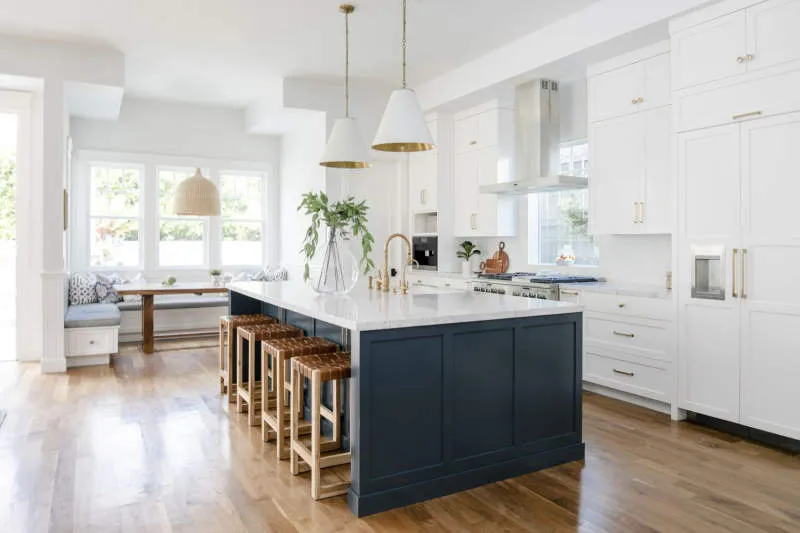
A kitchen island counter can serve as a stunning focal point, instantly upgrading the room’s aesthetic. Its central location allows it to anchor the space and draw the eye, while offering ample counter space for food preparation, casual dining, or even informal gatherings. Consider incorporating unique materials like marble or quartz for added visual appeal.
Careful consideration of the island’s design is key to maximizing its impact. Lighting plays a vital role; pendants or under-cabinet lighting can highlight the island and its surrounding area. Furthermore, the size and shape of the island should complement the overall kitchen layout and available space, ensuring both functionality and aesthetic harmony.
Pendant Lighting Ideas
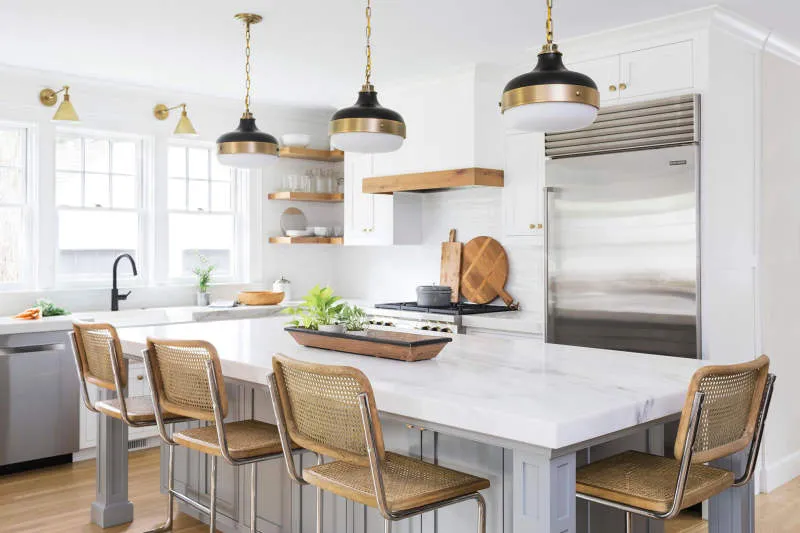
Pendant lights offer a versatile and stylish way to illuminate your space. Consider the style of your room when choosing a pendant; a modern minimalist design works well in contemporary spaces, while a chandelier adds elegance to a more traditional setting. Size and height are also crucial factors to ensure proper lighting and visual balance. Think about the number of pendants needed to adequately light the area.
Material and finish contribute significantly to the overall aesthetic. Metal pendants offer a sleek look, while glass or fabric shades create a softer ambiance. Match your pendant lighting to your existing décor to create a cohesive and visually appealing design. Choosing the right bulb type—LED, incandescent, or halogen—is important for both energy efficiency and the desired light quality.
Decorating with Functional Items
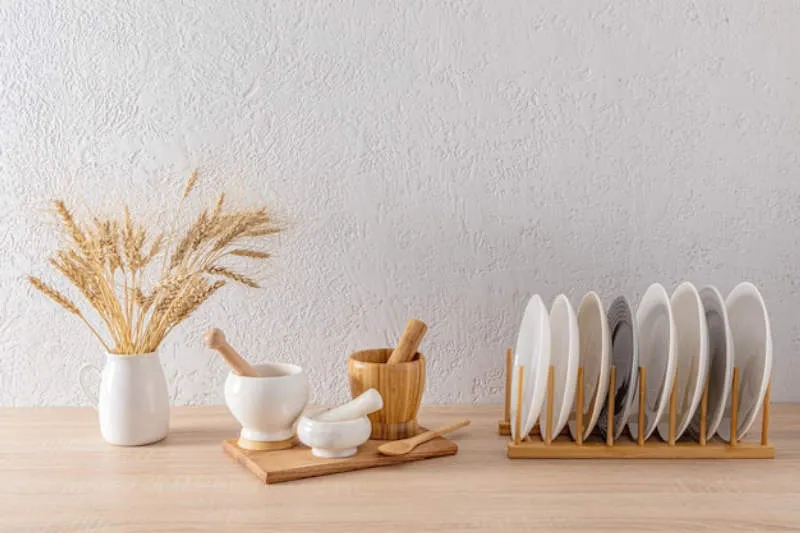
Maximize your space and style with functional décor. Instead of solely relying on purely aesthetic items, incorporate pieces that serve a purpose while enhancing your home’s beauty. Think stylish storage solutions like woven baskets for blankets, decorative trays for organizing remotes, or a beautiful ladder used as a bookshelf. These versatile items not only add visual interest but also contribute to a more organized and efficient living space.
Choosing functional décor allows for a more minimalist approach, preventing clutter and maximizing space. Prioritize items that are both aesthetically pleasing and practically useful. This approach ensures your home is not only visually appealing but also reflects a sense of intentionality and practicality, creating a comfortable and stylish environment.
Hiding Appliances Stylishly

Concealing appliances can dramatically improve a room’s aesthetic appeal. Built-in solutions, such as custom cabinetry or cleverly designed shelving, offer seamless integration. Consider using sliding panels or doors to mask refrigerators, ovens, or microwaves, maintaining a clean and uncluttered look.
Strategic placement also plays a key role. Positioning appliances within existing architectural features, like alcoves or recesses, minimizes their visual impact. Employing matching finishes and colors further helps appliances blend seamlessly into their surroundings, creating a cohesive and stylish space. Clever organization, such as using baskets or trays, can also contribute to a more streamlined appearance.
Maintaining Clarity in Open Layouts
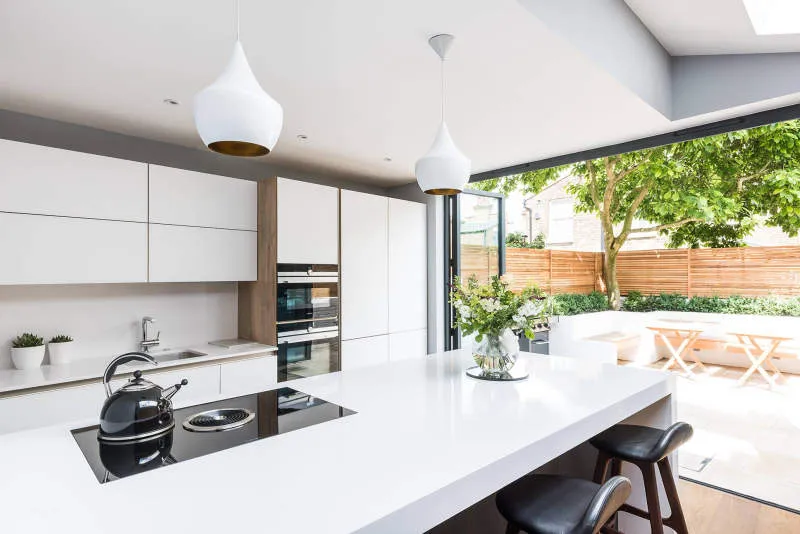
Open layouts, while offering a sense of spaciousness and freedom, can present challenges in maintaining visual clarity. Organization is key; employing clear visual hierarchies through size, color, and spacing helps guide the eye and prevents visual clutter. Strategic use of white space is crucial for breathing room and improved readability.
Focal points are essential for directing attention and creating a sense of order. These could be achieved through strategic placement of key elements, use of contrasting colors or textures, or employing strong graphic elements. Careful consideration of these aspects ensures that open layouts remain functional and aesthetically pleasing, avoiding a chaotic feel.
