
Transforming a small kitchen into a space that’s both organized and stylish can feel like a daunting task, but it’s entirely achievable. This article explores a range of innovative small kitchen ideas, designed to maximize functionality and aesthetic appeal without compromising on essential storage or a sense of spaciousness. We’ll delve into clever storage solutions, space-saving appliances, and design techniques that will help you create a small kitchen that’s not only incredibly organized but also reflects your personal style and enhances your overall home experience. Learn how to conquer clutter and create the stylish small kitchen of your dreams.
Discover organized and stylish small kitchen ideas that go beyond simple decluttering. We’ll present practical tips and inspirational designs showcasing how to optimize every inch of your small kitchen space. From utilizing vertical space with clever shelving to incorporating multi-functional furniture and choosing the right color palettes to visually expand the area, we’ll provide a comprehensive guide to achieving a stylish and efficient layout. Prepare to be amazed by how much you can achieve with a little creativity and the right planning in your organized small kitchen.
The Challenges of Small Kitchens
Small kitchens present unique challenges for homeowners. Limited space necessitates creative storage solutions and efficient workflow design. Finding adequate counter space for food preparation and cooking can be particularly difficult, as can fitting in all necessary appliances without feeling cramped. Organization becomes paramount to maximizing functionality and minimizing frustration.
Overcoming these obstacles requires careful planning and the implementation of space-saving techniques. This might involve utilizing vertical space with shelving, employing multi-functional appliances, and selecting compact furniture. Careful consideration of storage solutions, such as pull-out drawers and corner cabinets, is crucial to optimize the use of every inch of available space. Ultimately, success hinges on a thoughtful design that prioritizes both aesthetics and practicality.
Creating Smart Storage Zones
Smart storage zones optimize warehouse space and efficiency by strategically grouping items based on factors like frequency of access, product type, and order fulfillment methods. This approach minimizes travel time for order pickers, reduces errors, and improves overall operational speed. Implementing this requires careful analysis of current inventory and order patterns to determine optimal zone layouts and potentially integrating warehouse management system (WMS) software for automated zone management and tracking.
Key benefits include increased productivity, improved order accuracy, and reduced operating costs. Successful implementation often involves utilizing appropriate storage technologies (e.g., automated guided vehicles, conveyor systems), and ongoing monitoring and adjustments based on performance data. The result is a more streamlined and efficient warehouse operation.
Minimalist Cabinet Design

Minimalist cabinet design prioritizes clean lines, simple forms, and a lack of ornamentation. Functionality and practicality are key, with storage solutions integrated seamlessly into the overall design. Common features include sleek handles, flush surfaces, and a limited color palette, often featuring neutral tones like white, gray, or beige.
This style creates a sense of order and spaciousness, making it ideal for both small and large kitchens and bathrooms. Materials such as wood, metal, and lacquer are frequently used, chosen for their durability and aesthetic appeal. The overall effect is a sophisticated and timeless look that enhances the surrounding space.
Hidden Compartments and Drawers
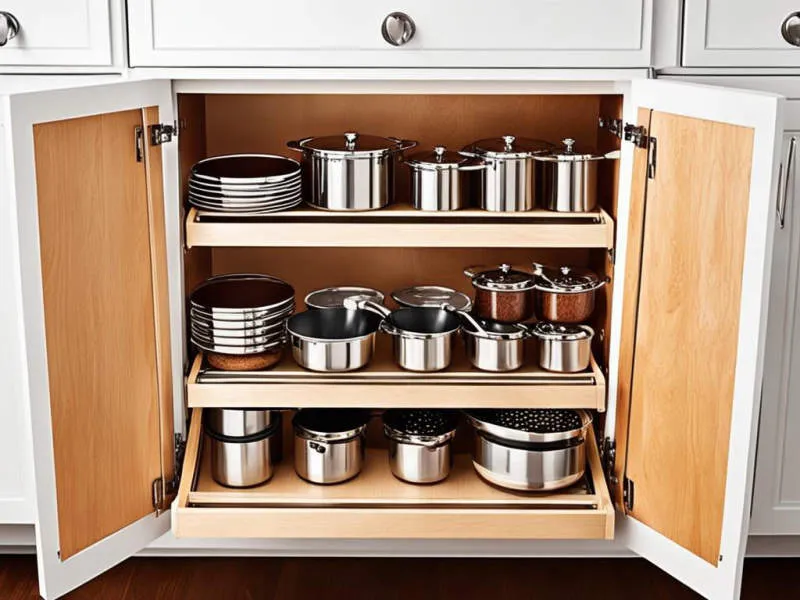
Hidden compartments and drawers offer discreet storage for valuable items or personal belongings. These cleverly concealed spaces can be incorporated into various furniture pieces, from desks and chests to beds and even walls. Their primary function is to provide security and privacy, keeping contents out of sight and away from unwanted access.
Common locations for hidden compartments include false backs in cabinets, cleverly disguised drawers, or even hollowed-out areas within larger furniture items. The level of complexity and concealment can vary greatly depending on the design and intended purpose. Many are simply hidden behind easily-moved panels while others require more intricate mechanisms for access.
Color Choices to Enlarge Space
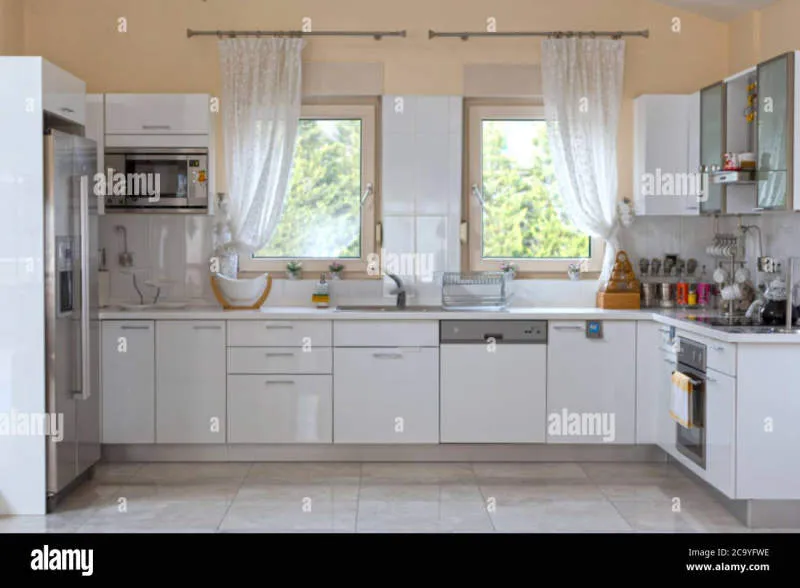
To make a room feel more spacious, opt for light and neutral colors on the walls. Shades of white, beige, gray, and pale pastels reflect light, creating an illusion of more space. Avoid dark colors, as they absorb light and can make a room feel smaller and more closed in.
Consider using lighter shades on the ceiling as well to further enhance the feeling of height and spaciousness. Consistent color schemes throughout a room also help create a sense of flow and openness, minimizing visual clutter that can make a room feel cramped.
Open Shelving Done Right
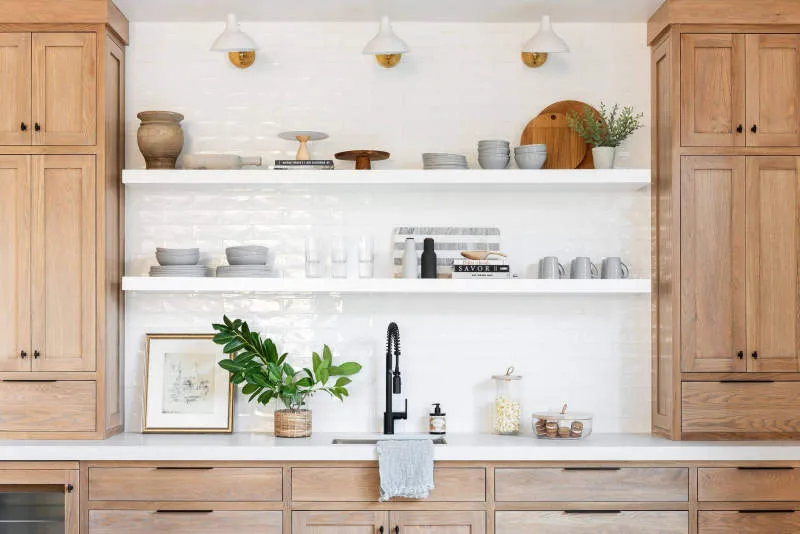
Open shelving offers a stylish and functional way to display your belongings, but success hinges on careful planning. Organization is key; avoid clutter by grouping similar items and using consistent containers. Consider the visual weight of your items – balance heavier pieces with lighter ones to create a pleasing aesthetic. A cohesive color palette also enhances the overall look.
Material choice matters significantly. Wood provides warmth, while metal offers a more industrial feel. Lighting can dramatically impact the display; consider adding under-shelf lighting to highlight your prized possessions. Finally, remember that less is often more; curate your collection carefully to avoid a cluttered appearance and maximize the shelving’s impact.
Multifunctional Kitchen Tools
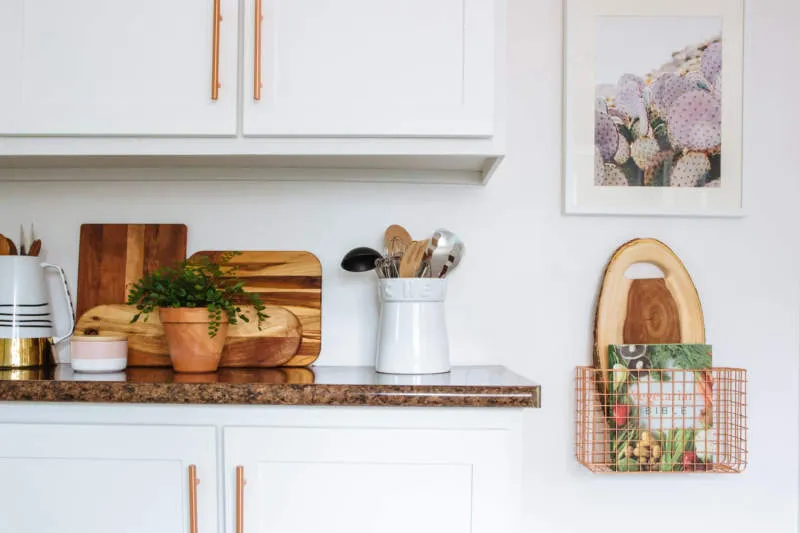
Multifunctional kitchen tools are designed to perform multiple tasks, saving you space and money. Popular examples include immersion blenders that can also purée and chop, food processors capable of slicing, dicing, and shredding, and spiralizers that transform vegetables into noodles. These tools offer versatility and efficiency, simplifying food preparation and reducing the number of individual appliances needed.
Choosing the right multifunctional tool depends on your cooking style and needs. Consider factors like capacity, power, and included attachments. Prioritizing durability and easy cleaning will ensure your investment serves you well for years to come. Reading reviews and comparing features before purchasing can help you make an informed decision.
Efficient Work Triangle Setup
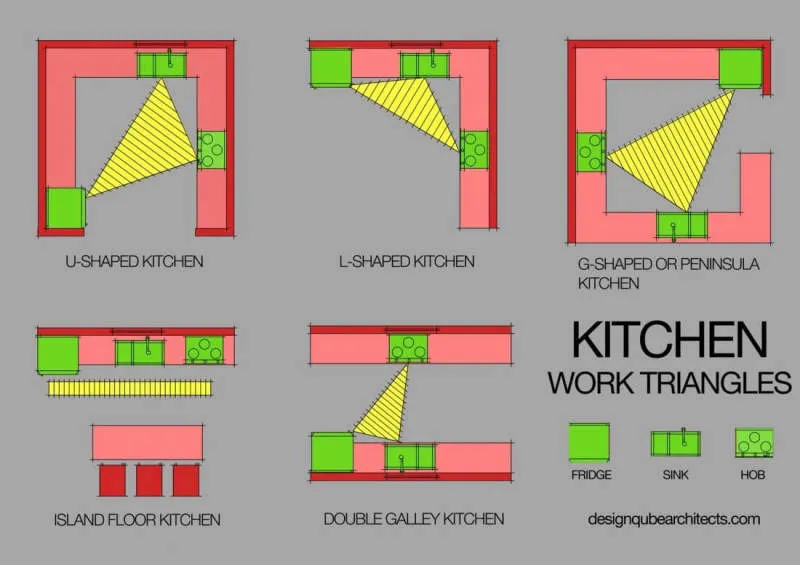
An efficient work triangle in a kitchen maximizes workflow by strategically placing the sink, refrigerator, and cooktop. The ideal distance between these three points forms a triangle with sides ranging from 4 to 9 feet. A well-designed triangle minimizes steps and wasted movement, resulting in a more efficient and enjoyable cooking experience.
Consider your personal workflow and kitchen layout when planning your triangle. Storage placement near each point is crucial for easy access to frequently used items. Prioritize a layout that allows for smooth transitions between tasks and prevents bottlenecks. Proper placement significantly impacts the overall efficiency and convenience of your kitchen.
