
Embrace the serenity and sophistication of Scandinavian living room design. This guide delves into the essential elements that define this popular interior style, helping you create a space that is both aesthetically pleasing and incredibly functional. Discover how to incorporate minimalist aesthetics, natural materials, and functional furniture to achieve a bright, airy, and inviting atmosphere in your own home. Learn how to master the art of Scandinavian interior design and transform your living room into a haven of calm and style.
From choosing the perfect light-colored palette and incorporating key Scandinavian design elements, such as cozy textiles and simple lines, to selecting the right lighting fixtures and storage solutions, we will explore every aspect of creating a truly authentic Scandinavian living room. This comprehensive guide provides actionable steps and inspiring ideas to help you achieve a stylish and functional space that reflects the core principles of Scandinavian design. Prepare to be inspired and learn how to seamlessly blend minimalist design with comfortable living.
Understanding Scandinavian Interior Style
Scandinavian interior design, also known as Nordic design, emphasizes simplicity, functionality, and natural light. Key features include a minimalist aesthetic, a focus on natural materials like wood, stone, and wool, and a light and airy color palette often featuring white, beige, and gray. Furniture tends to be clean-lined and uncluttered, with a strong emphasis on practicality and comfort.
The style prioritizes hygge, a Danish concept emphasizing coziness and well-being. This is achieved through soft textures, warm lighting (often from candles), and a sense of calm and order. Sustainability is another important aspect, with a preference for ethically sourced materials and durable, long-lasting pieces. The overall effect is a space that feels both sophisticated and inviting, emphasizing a harmonious blend of functionality and beauty.
The Importance of Function and Simplicity
Function and simplicity are paramount in effective design. A well-designed product or system prioritizes its core purpose, fulfilling its intended function flawlessly and efficiently. Unnecessary complexity only serves to confuse the user and detract from the overall experience. A focus on essential features allows for ease of use and intuitive navigation, maximizing user satisfaction.
By emphasizing simplicity, unnecessary elements are eliminated, leading to a cleaner, more aesthetically pleasing result. This streamlining process not only improves the user experience but also reduces production costs and enhances overall maintainability. The result is a product that is both highly effective and enjoyable to use, reflecting a commitment to function over superfluous embellishment.
Neutral Color Bases
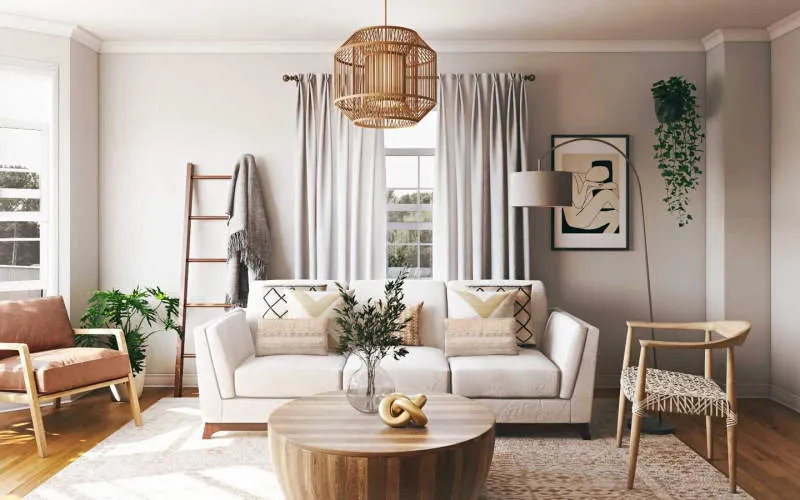
Neutral color bases, such as beige, gray, and white, provide a versatile foundation for any design scheme. Their understated elegance allows other colors and textures to shine, making them ideal for creating a calm and sophisticated atmosphere. They work equally well in minimalist settings as they do in more eclectic spaces.
Choosing the right neutral depends on the desired mood and lighting. Warmer neutrals like beige and cream create a cozy feel, while cooler neutrals like gray and white offer a cleaner, more modern aesthetic. Consider the existing architectural elements and natural light when selecting your neutral color base.
Natural Lighting and Clean Lines

Natural light is a key element in creating a calming and spacious atmosphere. Maximizing natural light sources, such as large windows or skylights, brightens a room and reduces the need for artificial lighting. Pairing this with clean lines in furniture and architecture creates a sense of order and simplicity, enhancing the overall feeling of serenity.
The combination of ample natural light and uncluttered design promotes a sense of openness and tranquility. This aesthetic is easily achievable through thoughtful spatial planning and the selection of minimalist furnishings, resulting in a visually appealing and relaxing environment.
Minimalist Furniture Choices
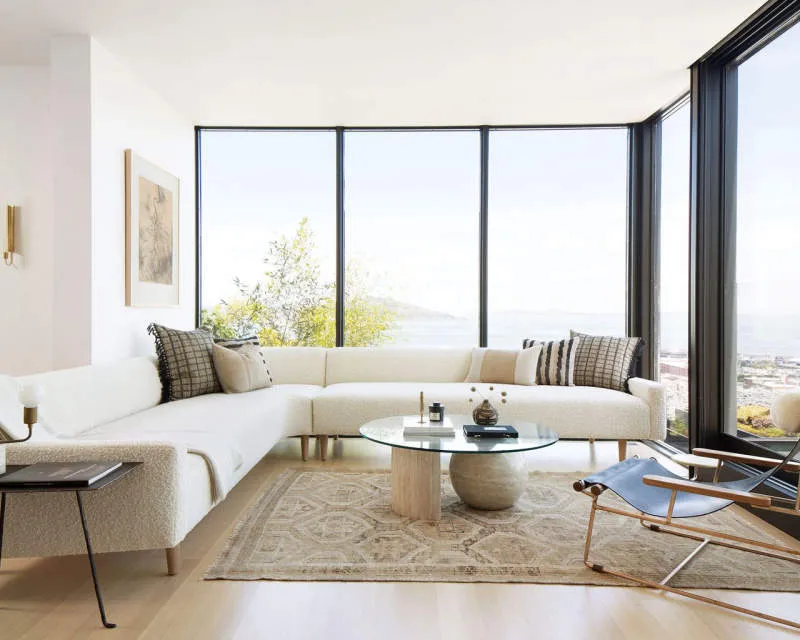
Choosing minimalist furniture involves selecting pieces that are functional, simple, and clean-lined. Prioritize multi-purpose items and avoid unnecessary ornamentation or clutter. Neutral colors and natural materials like wood and linen are key elements for creating a calm and uncluttered space. Consider pieces with clean silhouettes and avoid overly decorative details.
Key considerations include the size and scale of the furniture in relation to the room, ensuring it doesn’t overwhelm the space. Focus on quality over quantity, investing in durable, well-made pieces that will last. A cohesive color palette and a consistent design aesthetic are essential to achieving a truly minimalist look.
Texture with Wool and Wood
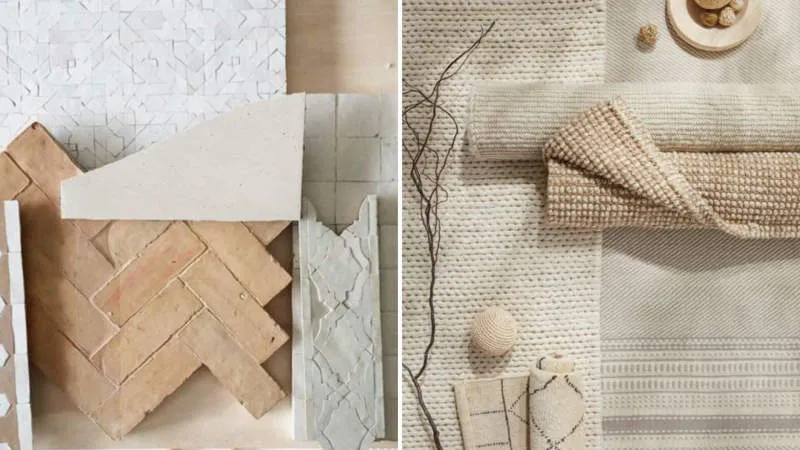
The interplay of wool and wood creates a rich tapestry of textures. Wool’s soft, yielding nature contrasts beautifully with the hard, sometimes rough, surface of wood. This juxtaposition offers a diverse sensory experience, appealing to both sight and touch. The warmth inherent in both materials adds to their overall inviting quality.
Consider the visual texture: the subtle variations in the wool’s fibers compared to the grain patterns and knots within the wood. The tactile experience is equally compelling; the softness of the wool against the smooth or rough feel of the wood creates a pleasing contrast. This combination works well in a variety of settings, from rustic cabins to modern minimalist designs.
Houseplants in Scandinavian Design
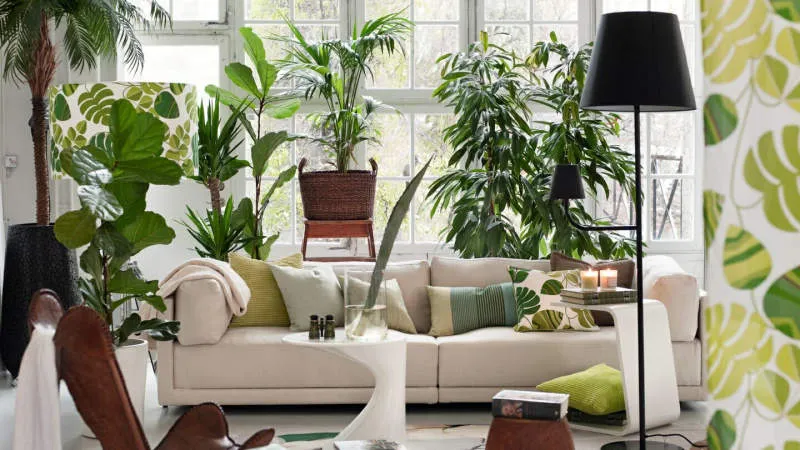
Scandinavian design emphasizes simplicity, functionality, and natural elements. Houseplants fit perfectly into this aesthetic, adding a touch of life and nature to minimalist interiors. Popular choices include low-maintenance plants like snake plants, ZZ plants, and pothos, often displayed in simple, minimalist pots in neutral colors like white or gray. The focus is on clean lines and the inherent beauty of the plant itself.
The incorporation of greenery brings a sense of calm and well-being to a space, aligning with the overall hygge philosophy embraced in Scandinavian culture. Strategic placement of plants can highlight architectural features or create visual interest within a room. Whether arranged in a single, impactful display or scattered throughout a home, plants contribute significantly to the welcoming and serene atmosphere characteristic of Scandinavian interior design.
Wall Decor Ideas to Match
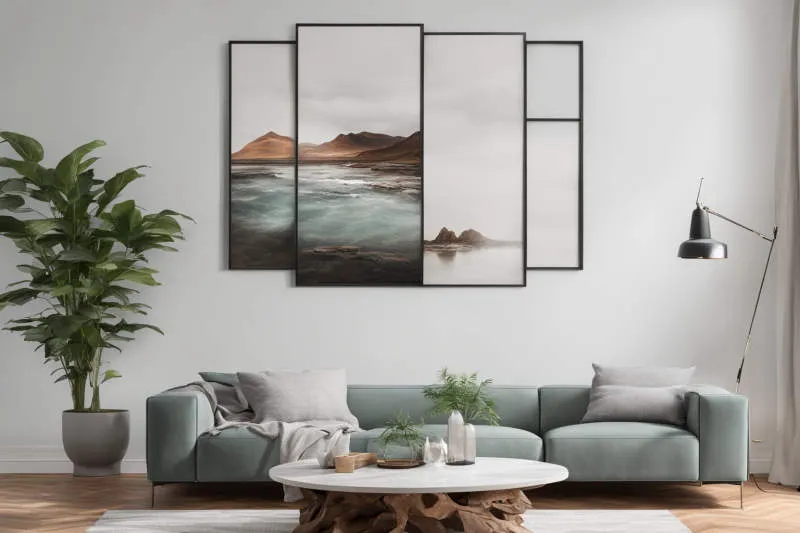
Choosing the right wall decor can dramatically impact a room’s ambiance. Consider your existing furniture and color palette. For a modern look, opt for minimalist pieces like geometric prints or sleek mirrors. If you prefer a rustic feel, incorporate natural elements such as wood frames or textured canvases. A bold statement piece, like a large tapestry or a vibrant painting, can instantly become a room’s focal point. Remember to maintain a balance between the size of the artwork and the wall space.
Don’t underestimate the power of lighting to enhance your wall decor. Strategically placed sconces or a well-chosen pendant light can draw attention to your artwork and create a warm, inviting atmosphere. Finally, consider the overall style you want to achieve – whether it’s contemporary, traditional, eclectic, or something else entirely – to guide your choices and ensure a cohesive design.
