
Transforming a small kitchen into a functional and stylish space doesn’t require a full-scale renovation. With clever design hacks, you can maximize your small kitchen‘s potential and achieve a big impact without breaking the bank. This article explores practical and innovative strategies to optimize storage, enhance efficiency, and create a visually appealing environment in even the most compact kitchen areas. Learn how to cleverly utilize vertical space, select space-saving appliances, and implement design choices that make your small kitchen feel larger and more inviting.
Discover a collection of expert-approved design hacks specifically tailored for small kitchens. We’ll delve into small kitchen design solutions that address common challenges, such as limited counter space and storage. From maximizing cabinet organization to choosing the right color palette and lighting fixtures, this guide provides actionable steps to achieve a big impact with minimal effort. Prepare to be inspired by innovative ideas that will revolutionize your small kitchen, turning it into a highly efficient and aesthetically pleasing heart of your home. Get ready to unlock the full potential of your small kitchen!
Why Smart Design Is Key in Small Kitchens
Small kitchens present unique challenges, demanding creative solutions to maximize functionality and aesthetics within limited space. Smart design is paramount; it involves thoughtful planning and the strategic use of space-saving techniques, such as clever storage solutions (e.g., pull-out drawers, vertical shelving), multi-functional appliances, and a streamlined layout that optimizes workflow.
By prioritizing efficiency and ergonomics, smart design transforms a small kitchen from a cramped inconvenience into a comfortable and highly functional space. Careful consideration of color palettes, lighting, and materials further enhances the feeling of spaciousness and contributes to a cohesive, aesthetically pleasing design.
Principles of Compact Efficiency
Compact efficiency prioritizes maximizing functionality and performance within minimal space and resource consumption. Key principles include minimization (reducing unnecessary components or features), optimization (improving existing components for higher efficiency), and integration (combining multiple functions into a single unit). Successful application requires careful consideration of material selection, design methodology, and manufacturing processes.
This approach is crucial in various fields, leading to benefits like reduced weight, lower production costs, and increased portability. Sustainability is a major driver, as compact efficiency often translates to less material usage and reduced energy consumption throughout a product’s lifecycle. Innovation in miniaturization and advanced materials is vital for continued progress in this area.
Vertical Storage Solutions
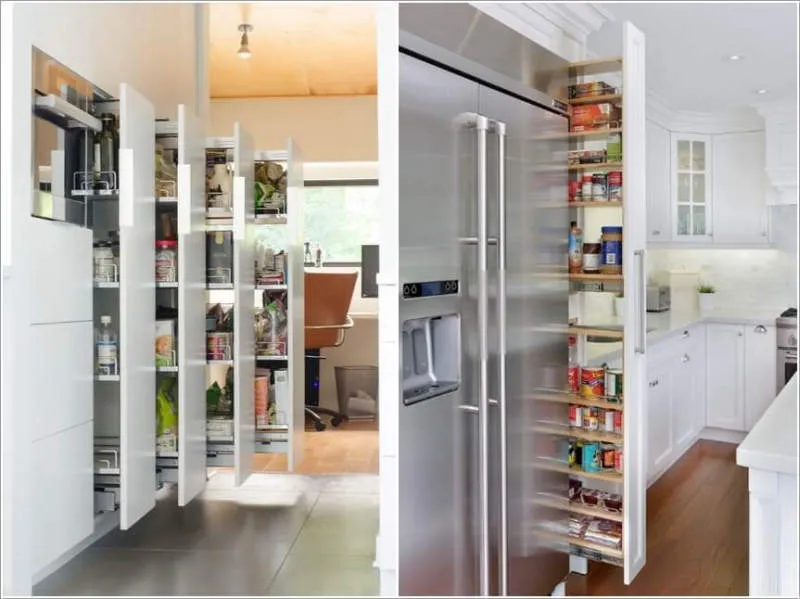
Vertical storage maximizes space by utilizing the often-unused vertical area in a room or building. This approach is ideal for small spaces or areas with limited floor space. Solutions range from simple shelving units to complex, multi-tiered systems, offering increased storage capacity and improved organization. Common applications include garages, closets, and offices.
Benefits include enhanced organization, improved accessibility to stored items, and a more visually appealing and less cluttered environment. Choosing the right vertical storage solution depends on individual needs and available space, considering factors like weight capacity, material durability, and overall design.
Foldable and Pull-Out Features
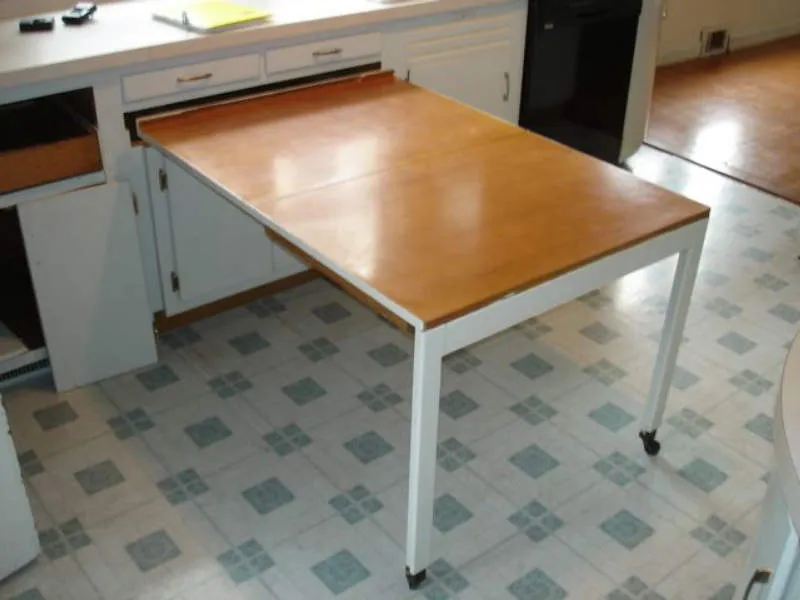
Foldable furniture offers space-saving solutions by allowing items to be easily stored when not in use. This is particularly beneficial in smaller spaces or for items needing frequent relocation. Examples include foldable tables, chairs, and beds.
Pull-out features provide convenient access to additional storage or functionality. These designs often incorporate hidden compartments or extending surfaces. Common examples include pull-out drawers, pull-out pantry shelves, and pull-out beds.
Mirrored Surfaces to Expand Space
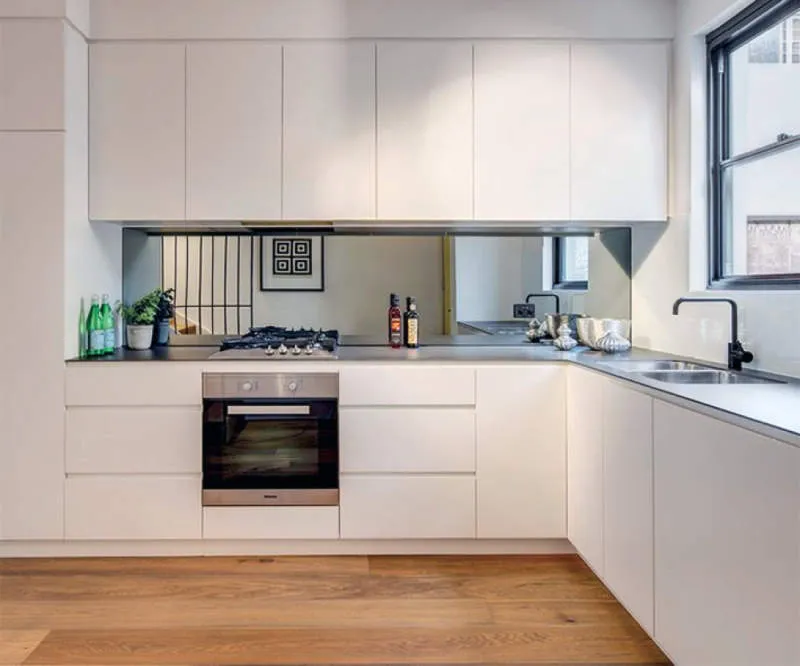
Strategically placed mirrors can dramatically enhance the perceived size of a room. By reflecting light and creating the illusion of depth, mirrors effectively expand the visual space, making smaller rooms feel significantly larger and more open. This is particularly useful in areas with limited natural light, where mirrors can brighten and enlarge the area simultaneously.
Consider using a large mirror as a focal point on a blank wall, or incorporating smaller mirrors into a gallery wall for a more dynamic effect. The placement and size of the mirrors are key; positioning them to reflect windows or light sources will maximize their impact on the room’s spatial perception. Remember to choose mirrors that complement your existing décor for a cohesive and stylish result.
Slim Profile Appliances
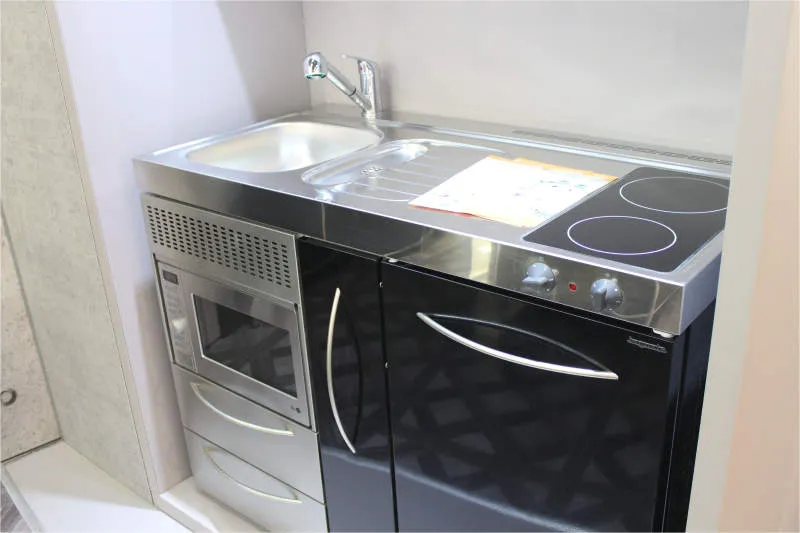
Slim profile appliances are designed to save space without sacrificing functionality. They feature a shallower depth compared to standard models, making them ideal for smaller kitchens, apartments, or areas where space is at a premium. This allows for greater flexibility in kitchen design and maximizes usable space.
Popular slim profile appliances include refrigerators, dishwashers, and washing machines. These appliances offer a sleek, modern aesthetic while maintaining essential features and performance levels, ensuring both style and practicality in any home.
Ideas to Maximize Small Kitchens
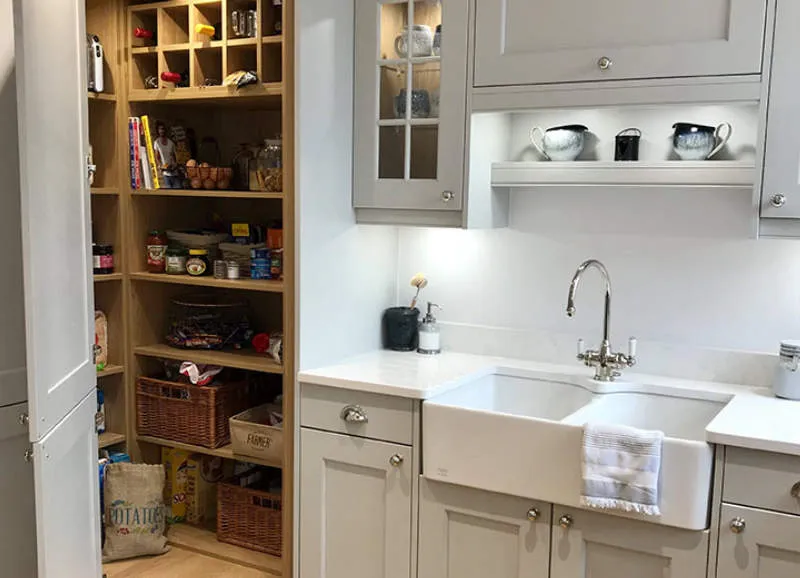
Maximize your small kitchen’s potential with smart storage solutions. Utilize vertical space with tall cabinets and shelves reaching the ceiling. Consider multi-functional furniture like a kitchen island with storage or a table that folds away. Declutter regularly to keep countertops clear and maximize workspaces. Opt for light colors to create an illusion of more space.
Built-in appliances save counter space and improve efficiency. Think about fold-down shelves or magnetic strips for spices and utensils. Invest in space-saving gadgets like stacking containers and slimline appliances. Remember to optimize workflow by arranging frequently used items within easy reach.
